
2113 Axe
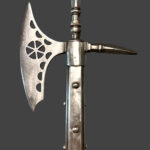
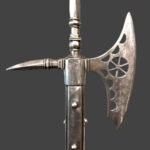



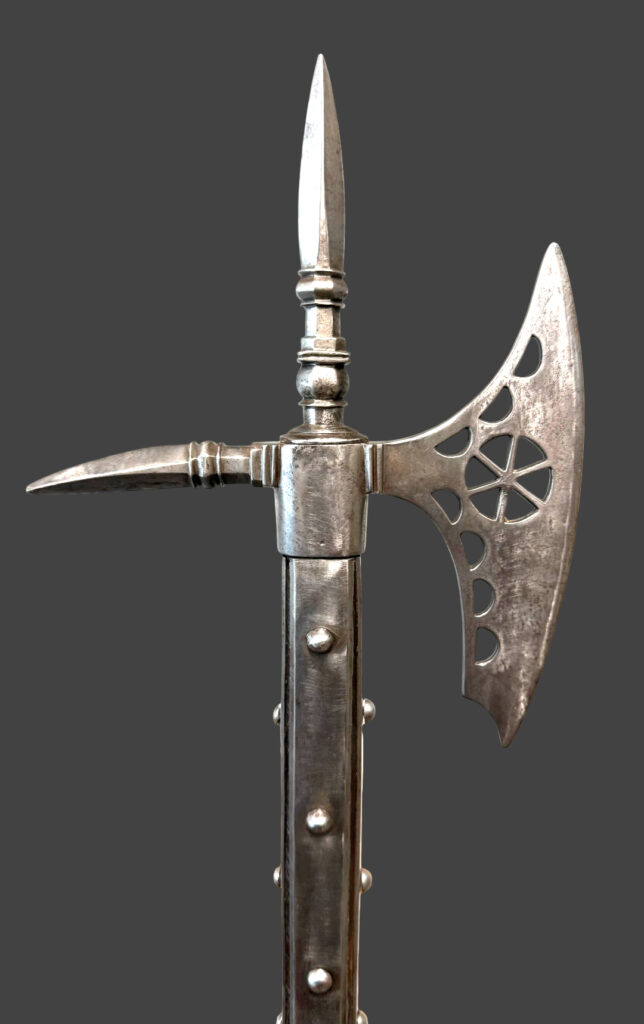
2113) A RARE MUSEUM CAVALRY WAR AXE AS EARLY AS 1580:
Introduction: There is something special about an item with a long and glorious provenance. Collectors love pieces that were owned by museums. This war axe was part of the Harding Collection, now housed at the Art Institute of Chicago. It was sold in a 2020 auction to benefit the museum. This war axe is in museum condition; its construction is superb, and with a very elegant design. Cavalry war axes seldom get any better than this ultra-rare example. Desig
Discussion: The axe is an old weapon. When you mention the axe in warfare, the first thing that comes to mind is the Vikings and their Dane axes. The cavalry used war axes in Central and Western Europe as late as the mid-1600s. The axe was a highly effective weapon because the Knight’s strike was augmented by the movement/running of his horse. This increased the axe’s effectiveness in war. In Medieval and Renaissance Europe, the axe became increasingly important as plate armor developed. Swords often ricocheted off plate armor, but an axe could damage a well-armored knight or soldier. Even if the axe did not penetrate the Knight’s armor, the impact could send shock waves that disoriented even the best combatant.
Axes are rare in today’s collectors’ market because so few have survived:
1) First, there were not that many axes to begin with. Knights could choose a mace, hammer, or axe. It’s not like a sword that every Knight had to have one.
2) Most axes had a wooden haft, which is biodegradable. The haft would rot or break, or the axe head would loosen, causing the axe head to drop off.
3) Many axes were repurposed as farming or tool axes, which they were not designed for, and quickly broke.
4) Steel was still a valuable commodity; an axe head could have been sold to the village blacksmith and melted down to reuse the steel.
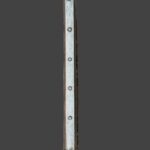
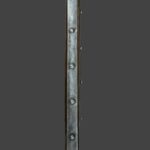
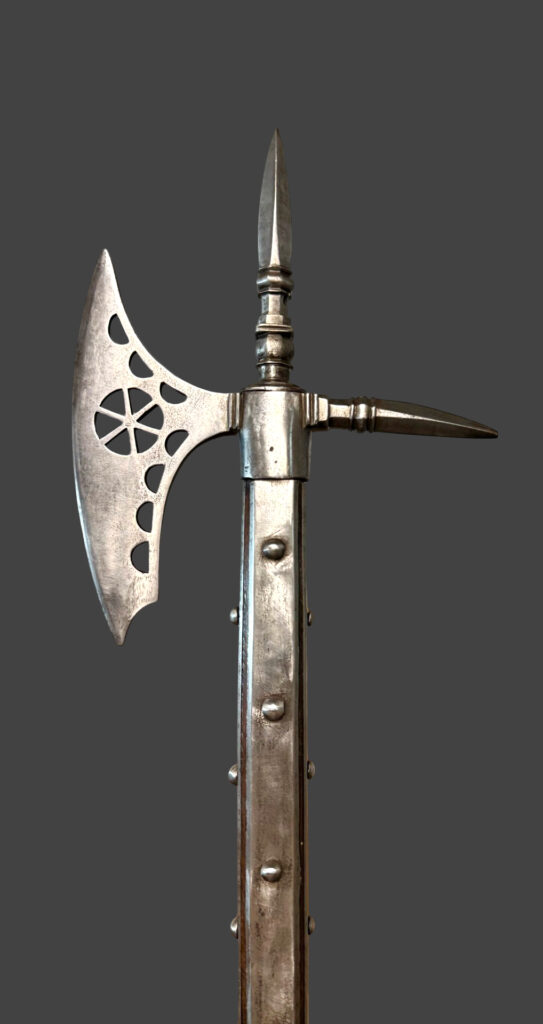
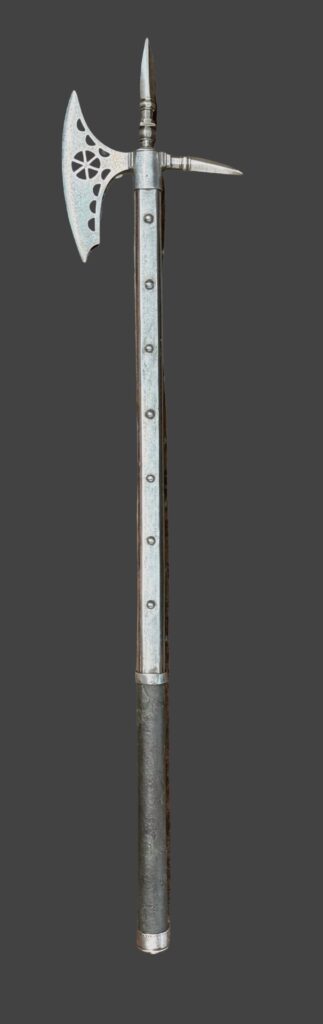
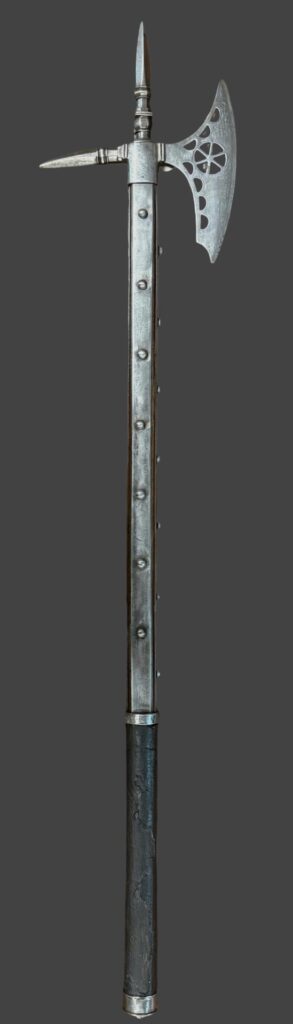
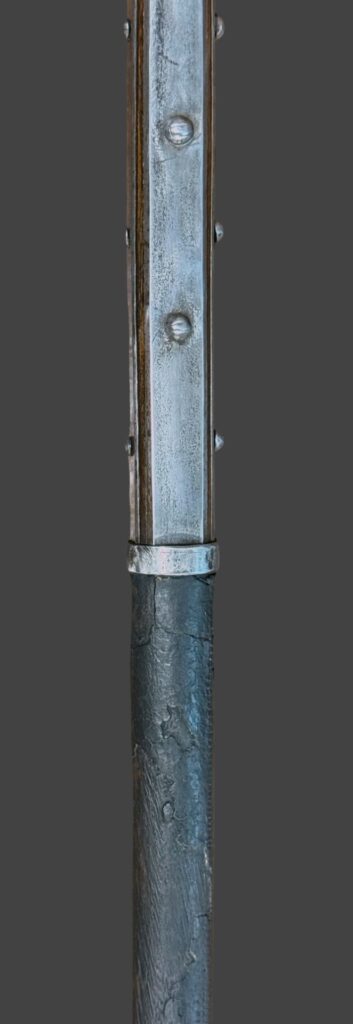
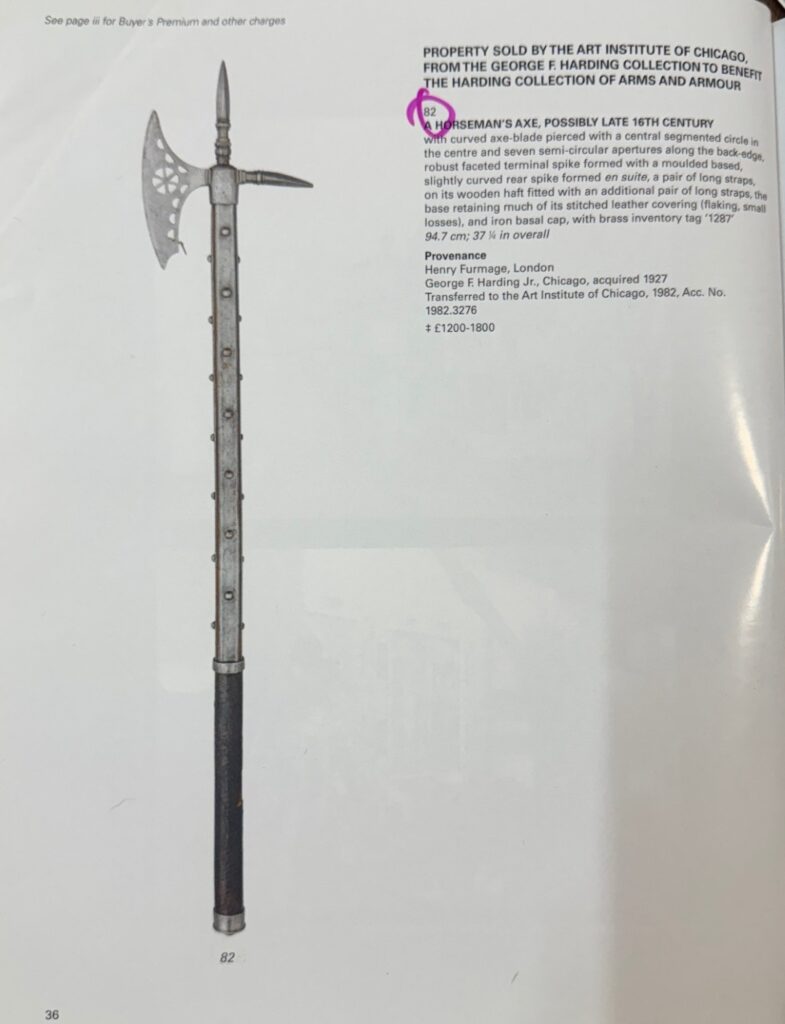
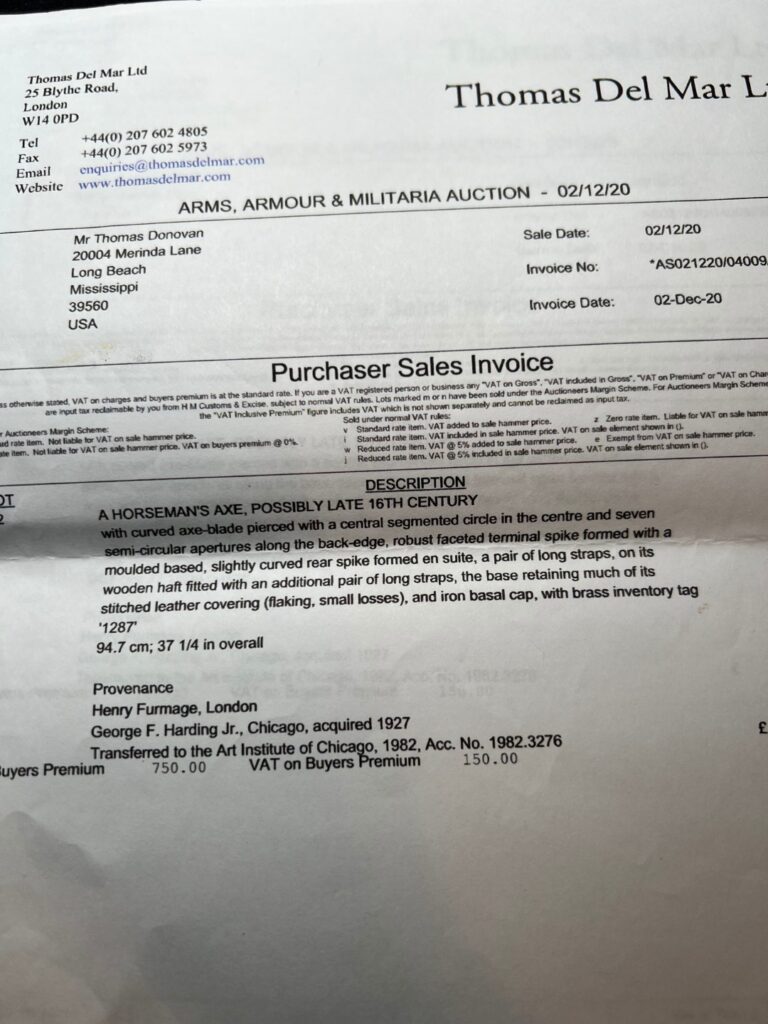
Description: Constructed curved blade intricately pierced with a central segmented circle and seven semi-circular cutouts along the back edge. The head is topped with a sturdy, faceted terminal spike rising from a molded base, paired with a matching, slightly curved rear fluke (en suite). The head is secured to its wooden haft by a pair of long steel straps, reinforced by an additional pair of long straps running down the shaft. The grip retains much of its original stitched leather covering—showing minor flaking and small losses consistent with age—and finishes in an iron basal cap.
Overall Length: 94.7 cm (37 ¼ in.)
Provenance:
Henry Furmage Collection, London. Henry Furmage was a prominent London-based antique dealer and collector active in the early 20th century (particularly during the 1920s and 1930s). He served as a key supplier to wealthy American collectors who were aggressively building major collections after World War I. Alongside George F. Harding Jr., Furmage regularly sold high-end European armor and weapons to the Higgins Armory Museum in Worcester, Massachusetts. Seeing Furmage’s name indicates that this axe passed through the hands of a respected London specialist who sourced items from older European private collections and estates for the American market.
George F. Harding Jr., Chicago (1868–1939), was a wealthy Chicago real estate developer, politician, and passionate collector. Competing alongside figures like William Randolph Hearst and institutions such as the Metropolitan Museum of Art, Harding traveled to Europe annually to acquire royal and aristocratic arms and armor. The 1927 Acquisition of this axe is particularly notable—that was the exact yearhe built a two-story, Gothic Revival stone turret annex (known as his “Castle”) onto his Hyde Park home in Chicago to house and display his rapidly growing collection. At one time, the axe had a brass inventory tag (‘1287’) at the base (no longer attached), which is almost certainly Harding’s original museum catalog/inventory number from his private Castle Museum.
The Art Institute of Chicago (transferred 1982, Accession No. 1982.3276). Upon Harding’s
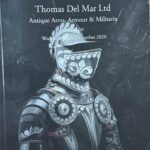
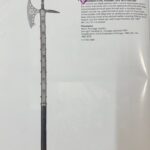
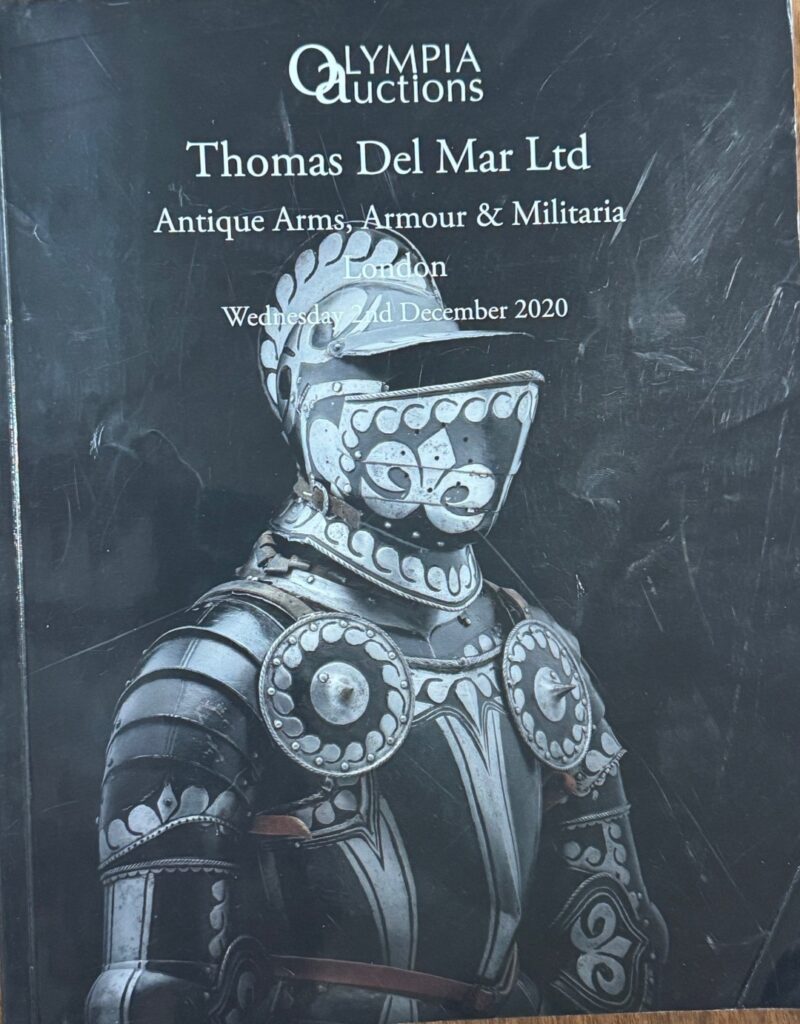
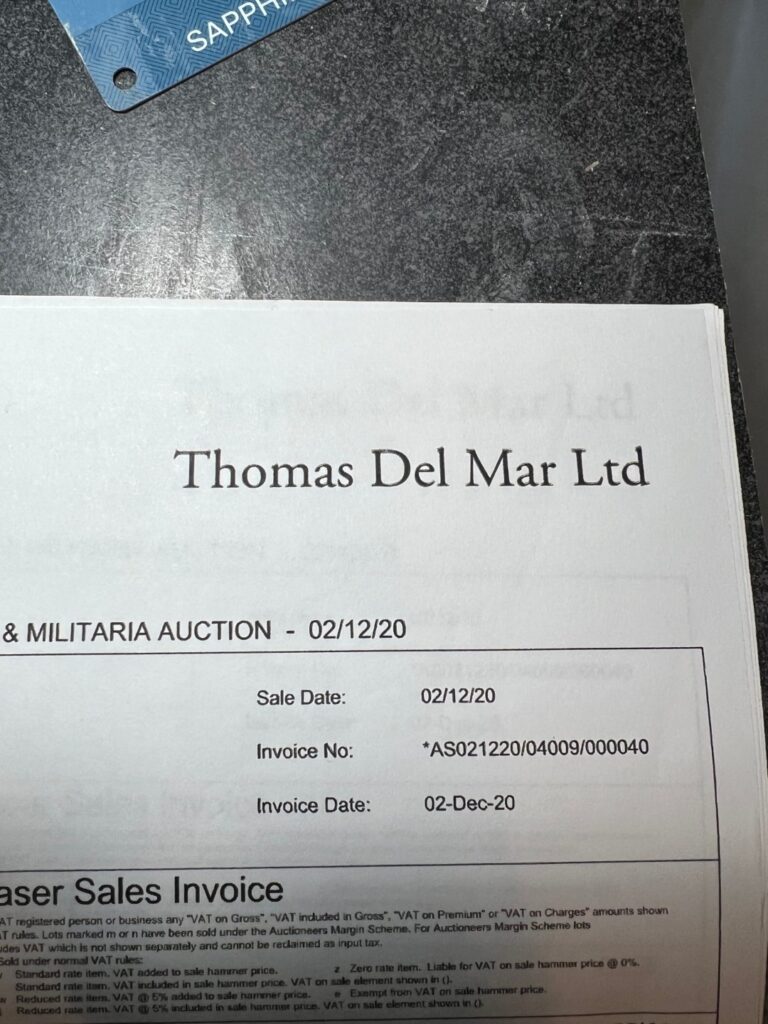
Thomas Del Mar / Olympia Auctions December 2020 Lot # 82. The Art Institute deaccessioned duplicate or reserve items from the Harding Collection to raise funds for the care and conservation of its core arms and armor galleries.
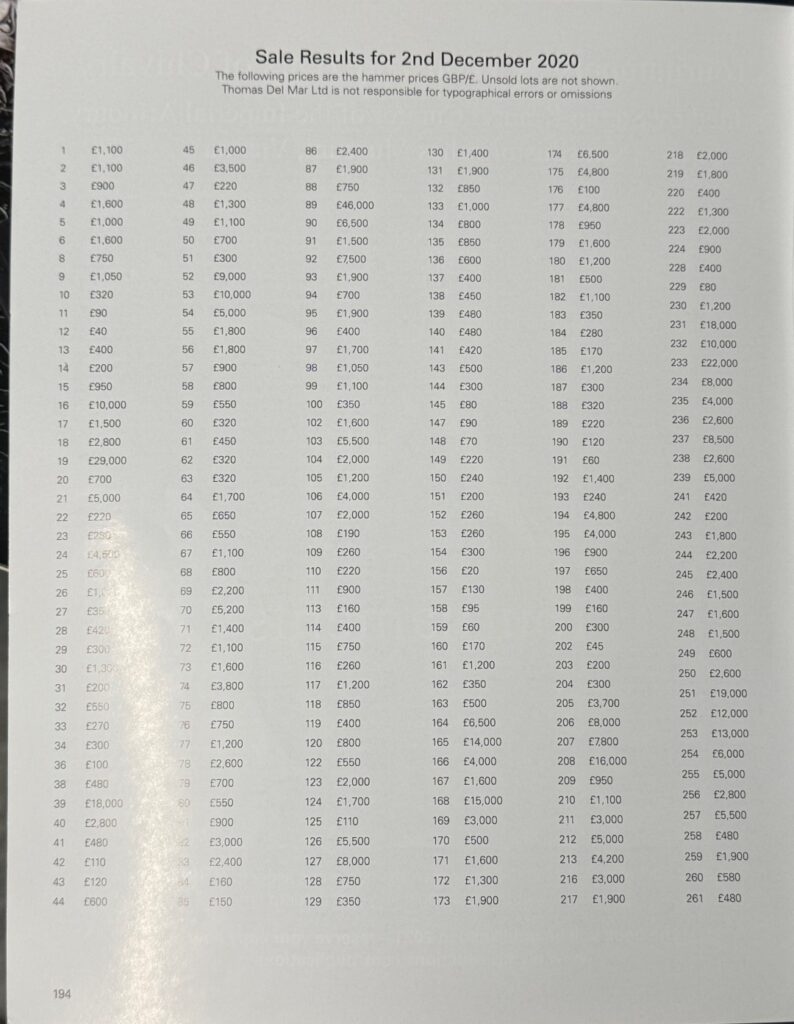
Conclusion: This is a very elegant item. War axes are exceptionally rare. Few have survived, especially in this condition. Axes have a certain machismo that strongly appeals to collectors. Even though this is a world-class example that would make a great addition to any museum or major collection, it is priced to sell today at about for what it sold in December 2020. ACT NOW and avoid disappointment. I will probably never have another cavalry war axe of this magnitude again for a long…long… time!!!*
This is a rare opportunity. ACT-NOW!!!
All my items come with the following:
–Free shipping.
–10-day review period.
–Certificate of Authenticity.
– Free autographed copy of my book if you do not have one.
– In the event of an international shipment, we will help assign the lowest correct Customs tariffs, so you pay the least as little as 5% or even nothing.
I believe you will be very pleased. ACT-NOW!!!*