
1997 Antique Shield
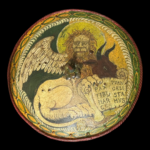



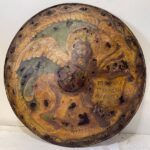
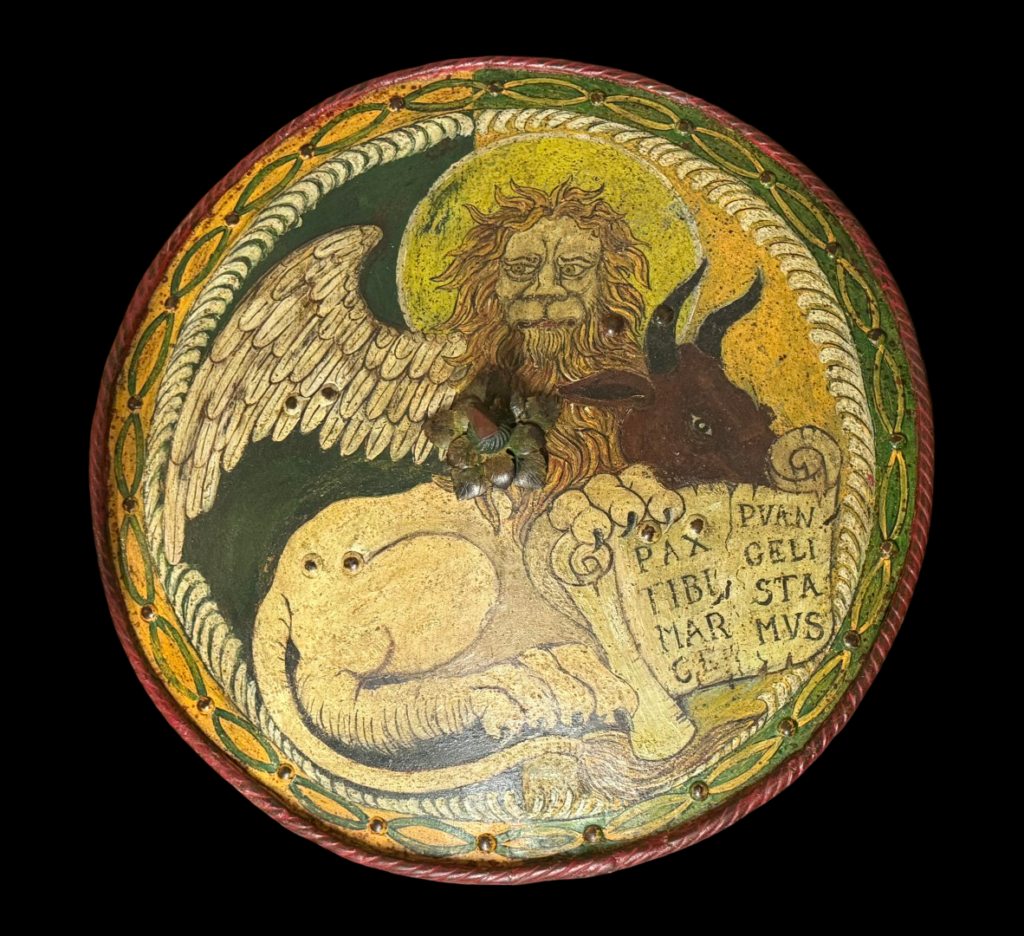
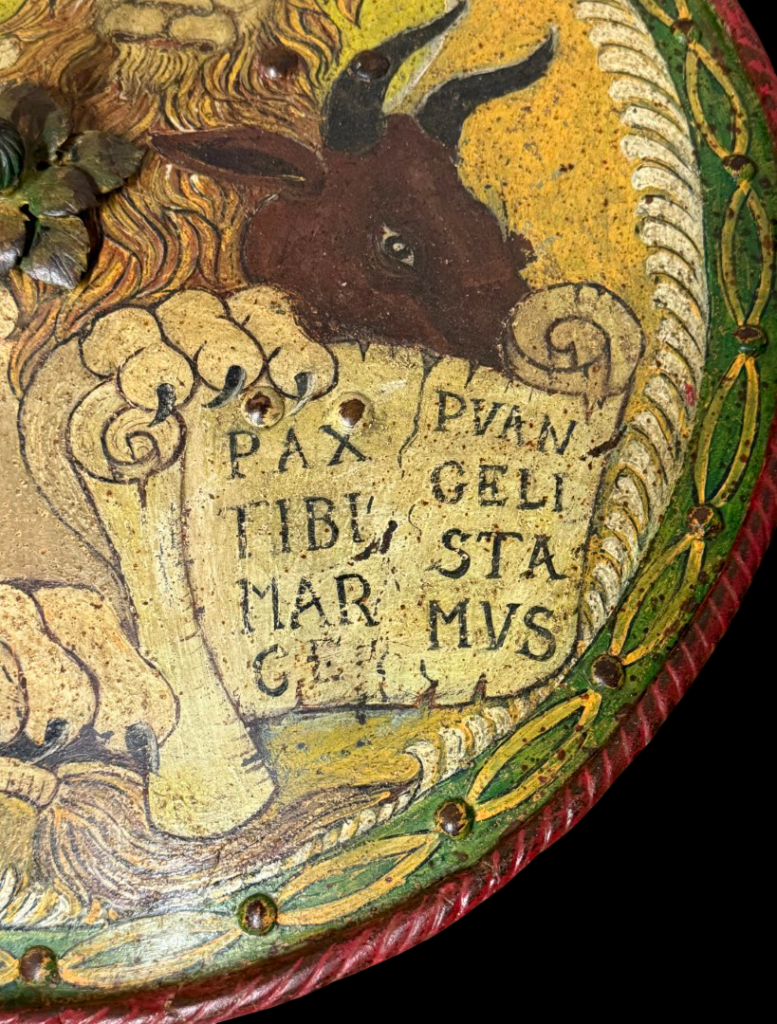
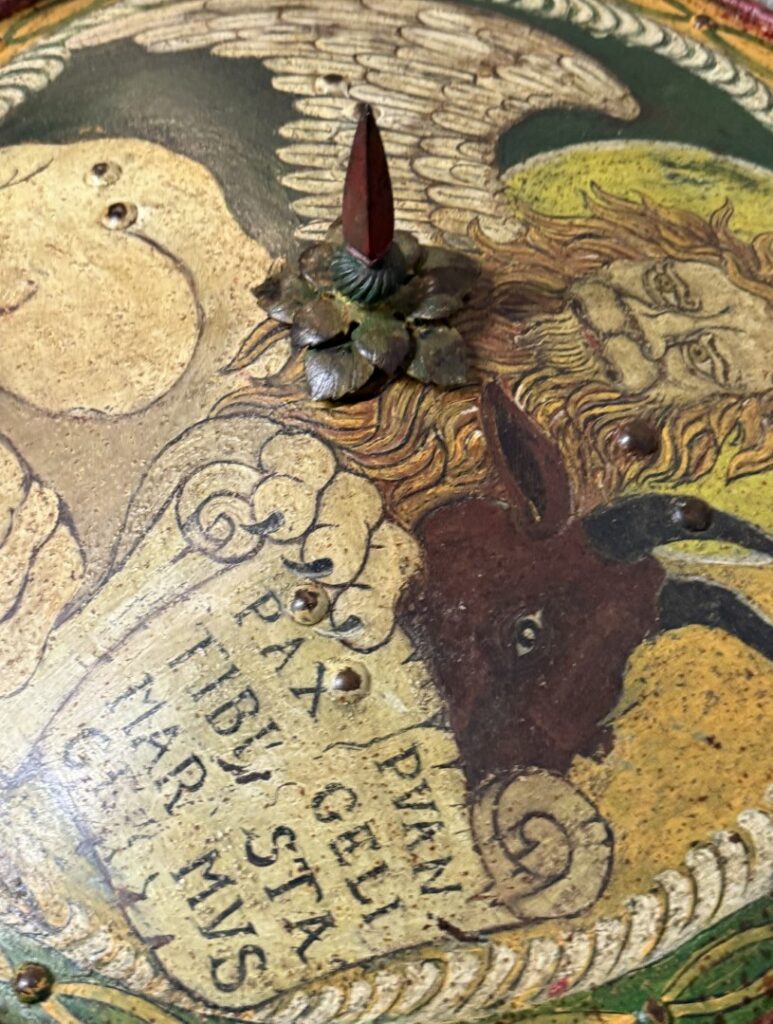
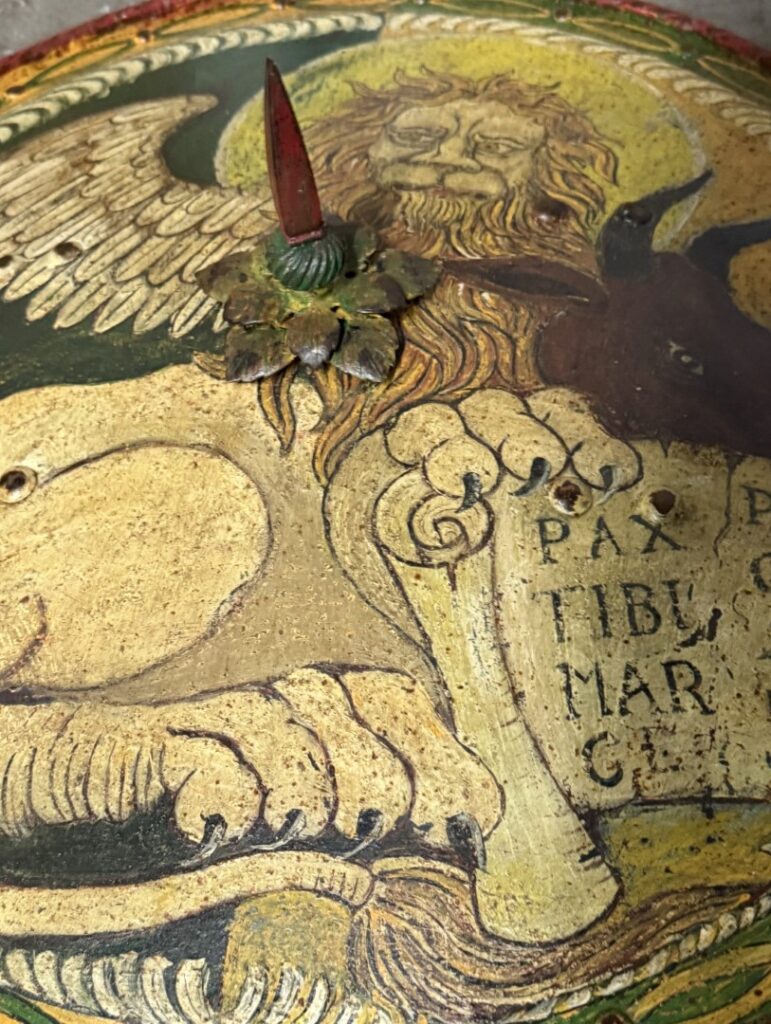
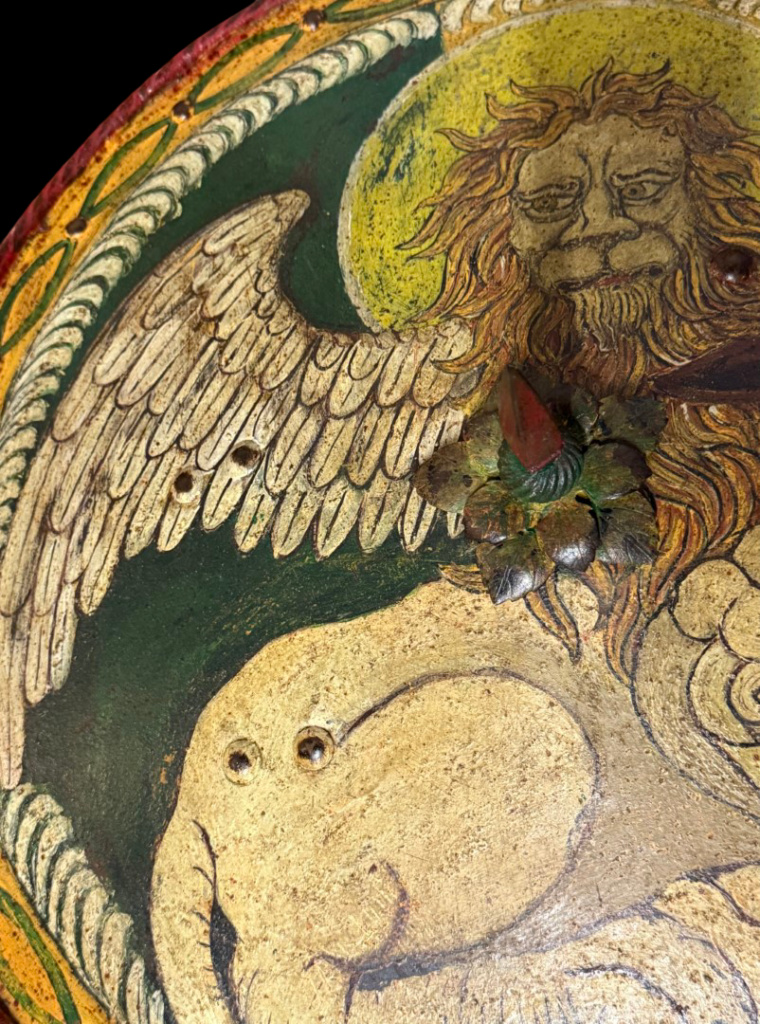
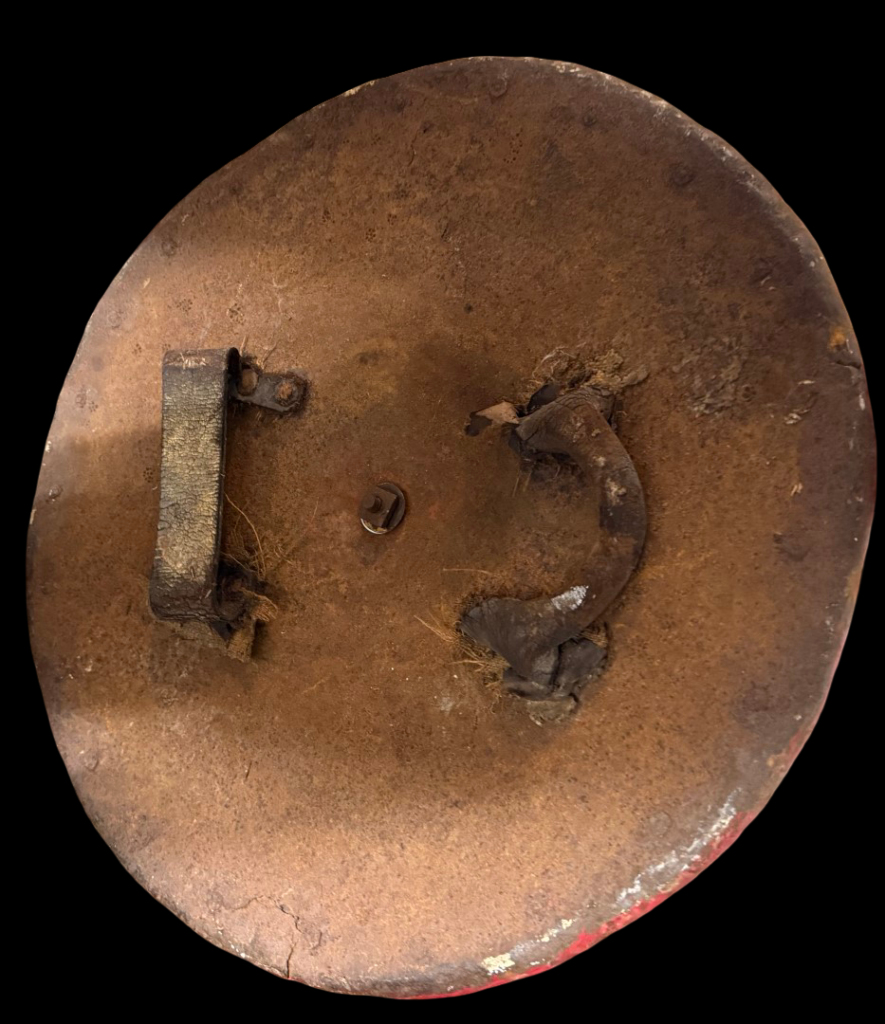
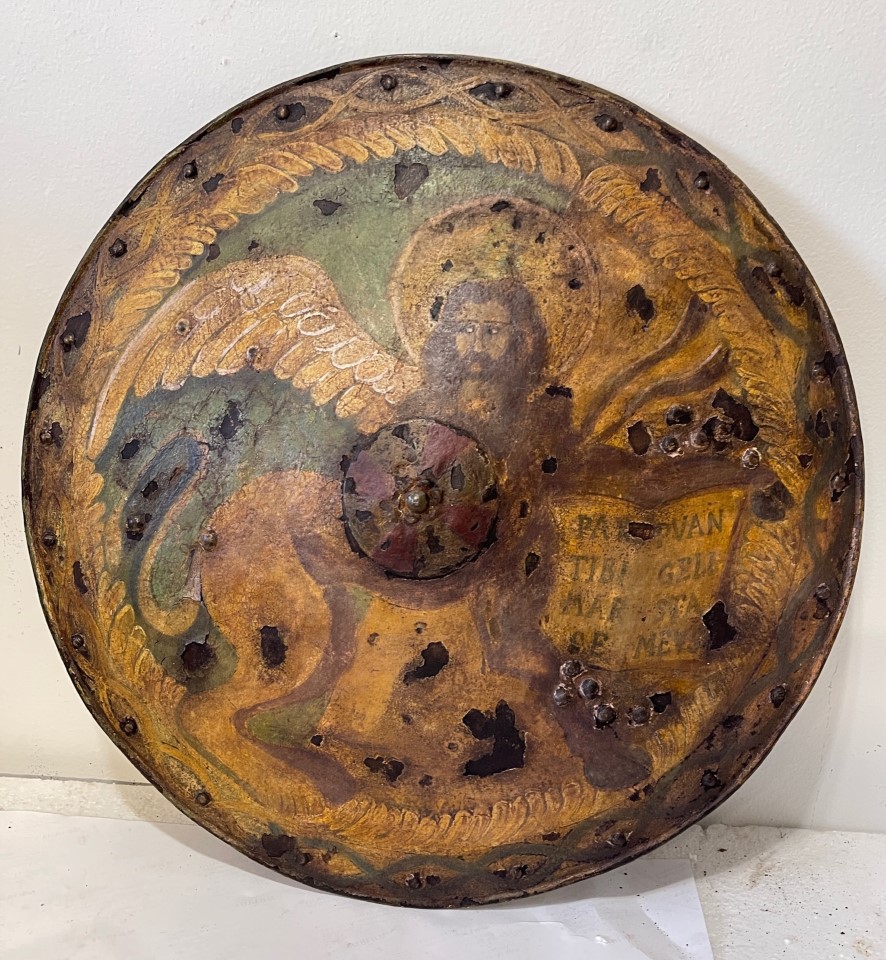
1997) AN EXCEPTIONALLY RARE ITALIAN SHIELD/TARGE DECORATED WITH THE VENETIAN LION CIRCA 1590:
Introduction: This is only the second one I have had in 40 years. The targe or target is a large circular shield about 24 inches in circumference and equipped with an enarmes, and a guige to facilitate its use.
Most of the decorations that adorned the Medieval targe came from mythological figures, plants, or animals. Not only did the Medieval/Renaissance shield offer protection during combat, but it served as a differentiation between enemies and friends during ongoing battles. Some shields perhaps such as this one may have been decorated after its working life.
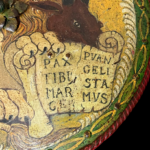
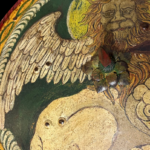
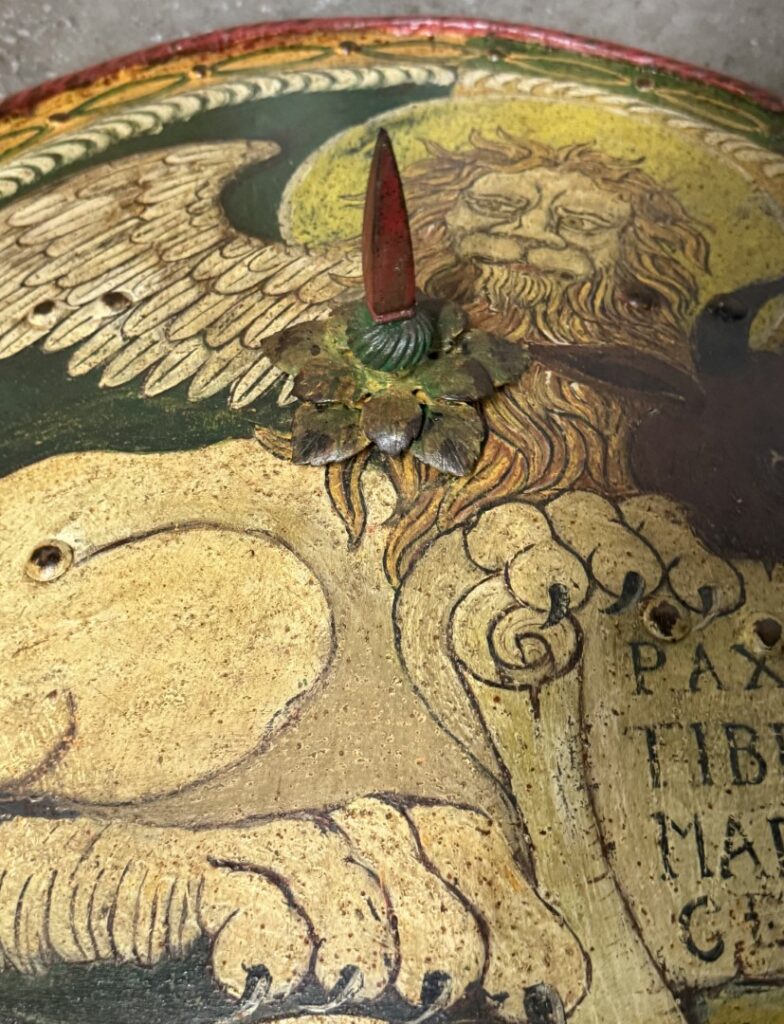
In the New Testament, as written by the Four Evangelists: Saints Matthew, Mark, Luke, and John in the first century and based on the symbolism derived from the prophet Ezekiel in the Old Testament (Ezekiel 1:4‚ 11) Matthew is often represented as a winged man, Mark as a winged lion, Luke as a winged ox, and John as an eagle. Saint Mark is the patron saint of the Republic of Venice; the painted image of the winged Lion of Saint Mark appears on this late-sixteenth- or early-seventeenth-century shield/targe. The winged lion to symbolize Mark dates from circa 500AD. The depiction of the lion on this shield is most representative of Venice: The lion is depicted in a crouching position, with spread wings, its face destitute of emotion and its head adorned by a halo. The book between the lion’s paws represents Mark’s Gospel. and contain the phrase PAX TIBI MARCE AVANGELISTA MEUS (Peace be with you, Mark, my Evangelist). This is the phrase said to have been spoken by Jesus to Mark in a vision on the eve of his martyrdom in Alexandria.
Discussion: The shield was borrowed from the tradition of the Roman legions. The Romans used to paint the symbol of the legions to which they belonged to on the shields used by their troops so that they could easily be distinguished from the opponents‚ army, even from a distance.
There is another benefit that shields provided. Shields with elaborate designs were used by people of wealth during parades celebrating great battle victories or other festive occasions. Round shields were carried primarily by infantry. After circa 1450, like all shields, they began to lose popularity. By now full body plate armor was in wide use, making the shield less important than in the past. There were two types of shields in Renaissance Europe.
Comparable:
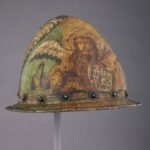
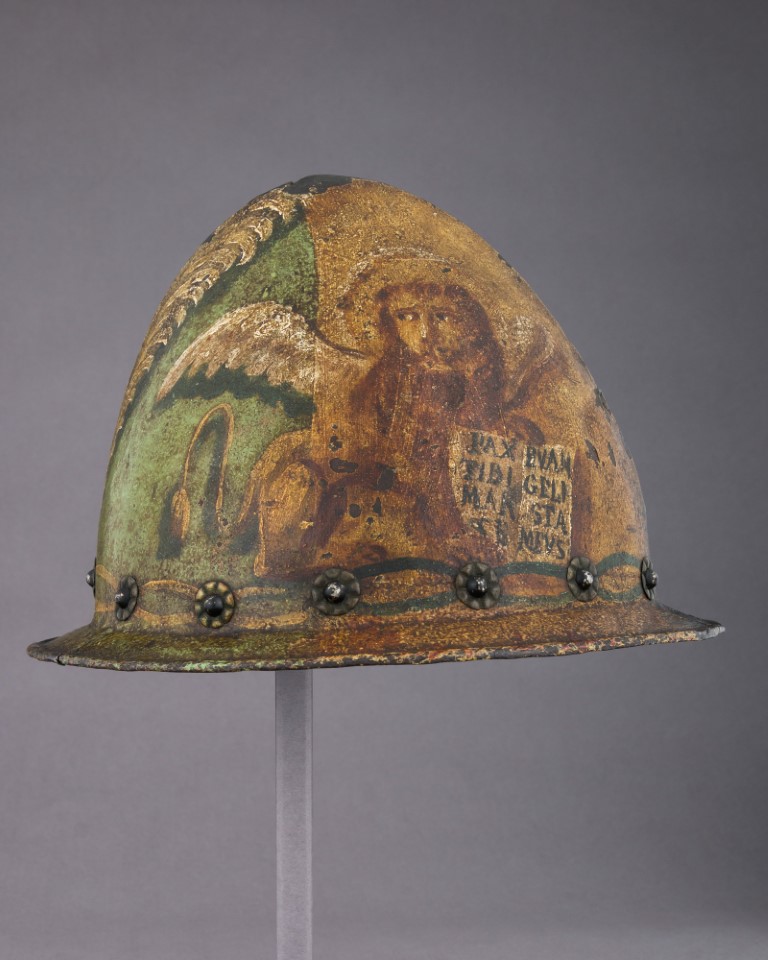
-There is a cabasett at the Met museum (see picture below) with identical decoration donated by William Riggs. Accession # 14.25.636.
-Antique Armor LLC, see attached picture.
Provenance: American and European collectors since WWII.
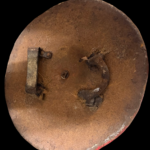
Conclusion: An exceptional collectible in very good condition, with remnants of its original leather. Like any valuable 400-year-old painting it has been conserved/restored to museum standards.
Contact Me to Get the Latest Lowest Price Possible From the Owner*
ACT-NOW!!!* If not, you will probably regret it later.
All my items come with the following:
–Free shipping.
–10-day review period.
–Certificate of Authenticity.
–Autographed copy of my book.
– In the event of an international shipment, we will help assign the lowest correct Customs tariff, so you pay the least.