1972 Antique Vouge
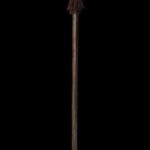
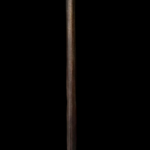
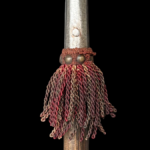
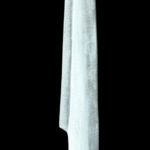
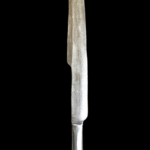

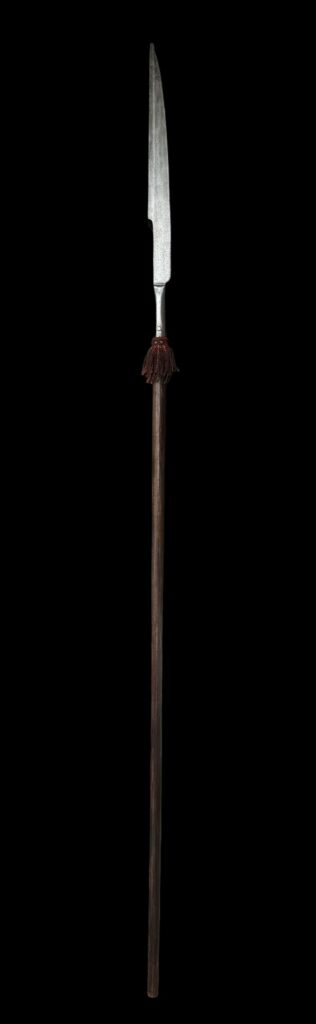

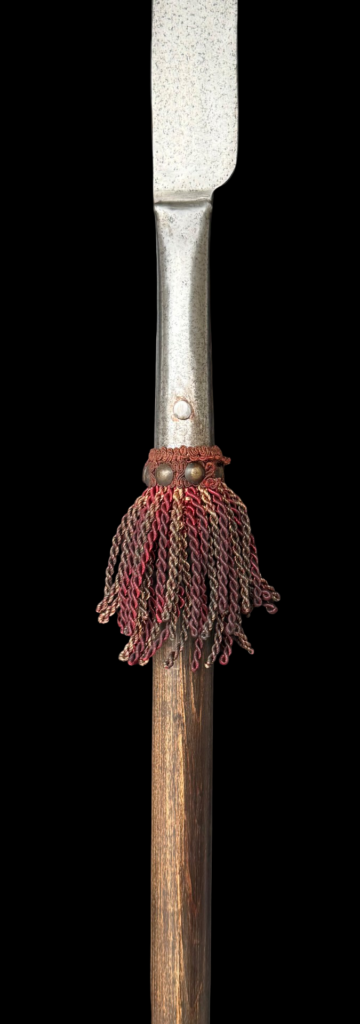
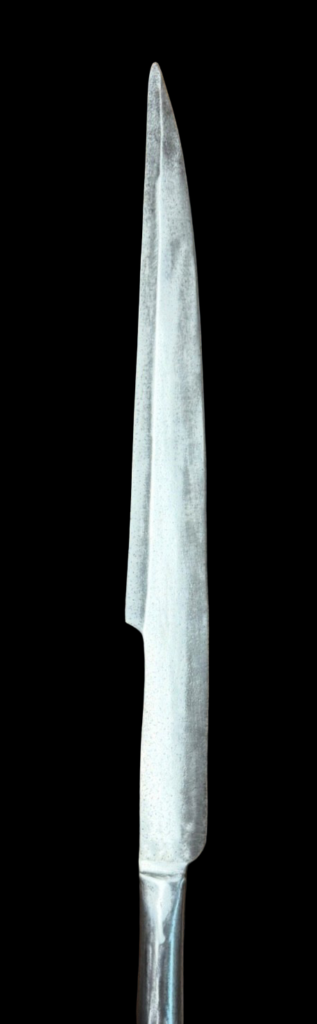
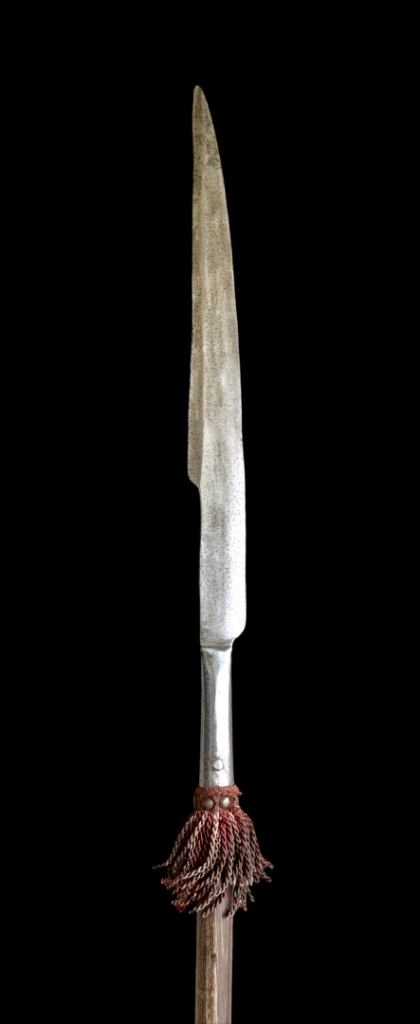
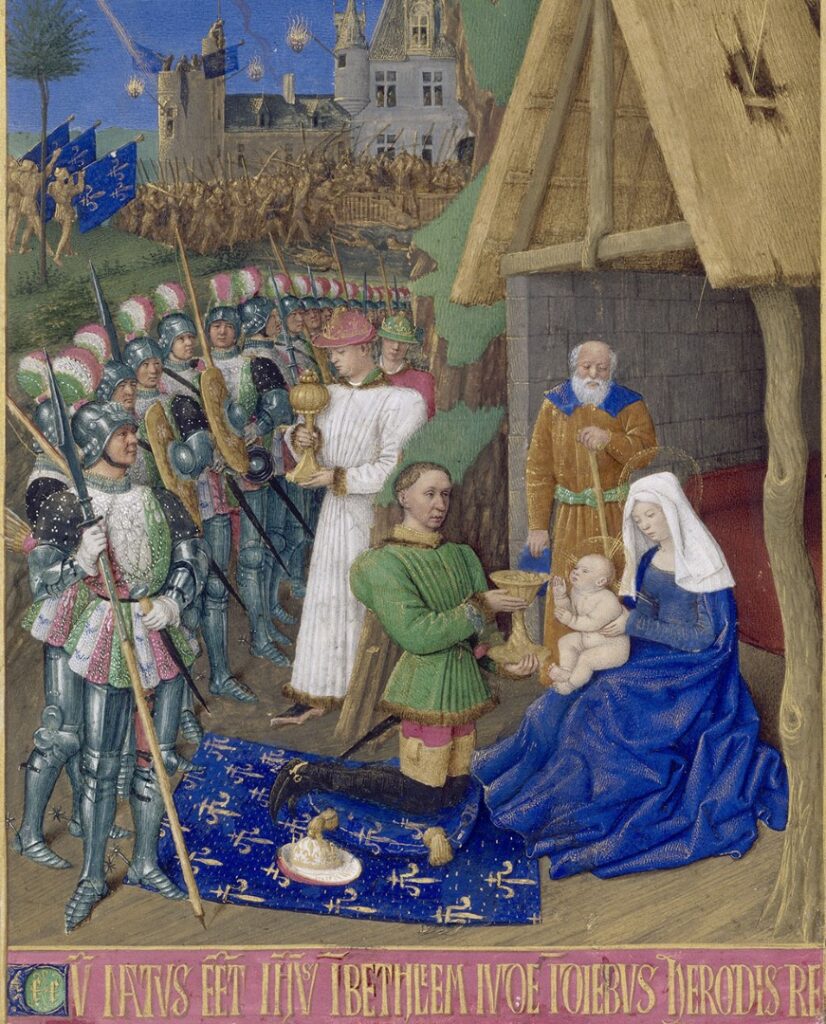
1972) VERY RARE FRENCH GOTHIC VOUGE STAFF WEAPON CIRCA 1490: I believe this is the first one I have had in 40 years!
Description: Constructed with a broad, thick, cleaving blade with a secondary edge on the back, a sharp point for thrusting, head attached to a wooden haft (replaced) by a reverse conical shaft covered with tassels at the shaft ends, and the wooden haft commences.
1) When properly used and deployed, staff weapons have a significant advantage related directly to their length. The pole/haft of a staff weapon can range from 5 feet in length to as much as 16 feet in length. The staff weapon enables the user to be out of the reach of many shorter weapons, such as swords. This reach advantage allows the man-at-arms to effectively attack without needing to defend himself from attacks.
2) Staff weapons, like pikes, could stop the cavalry charge, which was one of the most devastating strategies of the Medieval and Renaissance periods.
3) Since much of the staff weapon was made from wood, it was inexpensive and easy to manufacture, making it a practical choice to arm many men quickly at a low cost. In addition, if the pole broke, the head could be reused on a new wooden pole. Because the head design was relatively simple, it could be made by a village blacksmith.
4) Staff weapons are easy to use, requiring relatively little training to become competent in their use.
5) Staff weapons could be multipurpose weapons. For example, a halberd is an axe with a spear and fluke to dismount a knight from his horse.
6) Staff weapons require the use of multiple large muscles; therefore, the body fatigues more slowly than with some other weapons. Less fatigue in battle provides a substantial advantage during a pitched battle that could last days.
7) Since staff weapons are long and provide leverage, they generate high-impact, deep penetrating strikes.
8) Some staff weapons, such as the scythe, were actually farming implements available for immediate use by an owner familiar with their use.
Staff weapons like this do not appear in the collectors’ market very often. It would display magnificently in any museum or top world-class collection. I will probably never have another as good again. Very reasonably priced for a quick sale……..ACT-NOW!!!*
All my items come with the following:
–Free shipping.
–10-day review period.
–Certificate of Authenticity.
– Free autographed copy of my book if you do not have one.
– In the event of an international shipment, we will help assign the lowest correct Customs tariff so you pay the least as little as 5% or even nothing.
I believe you will be very pleased.