


1957 Rapier

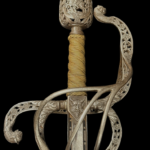
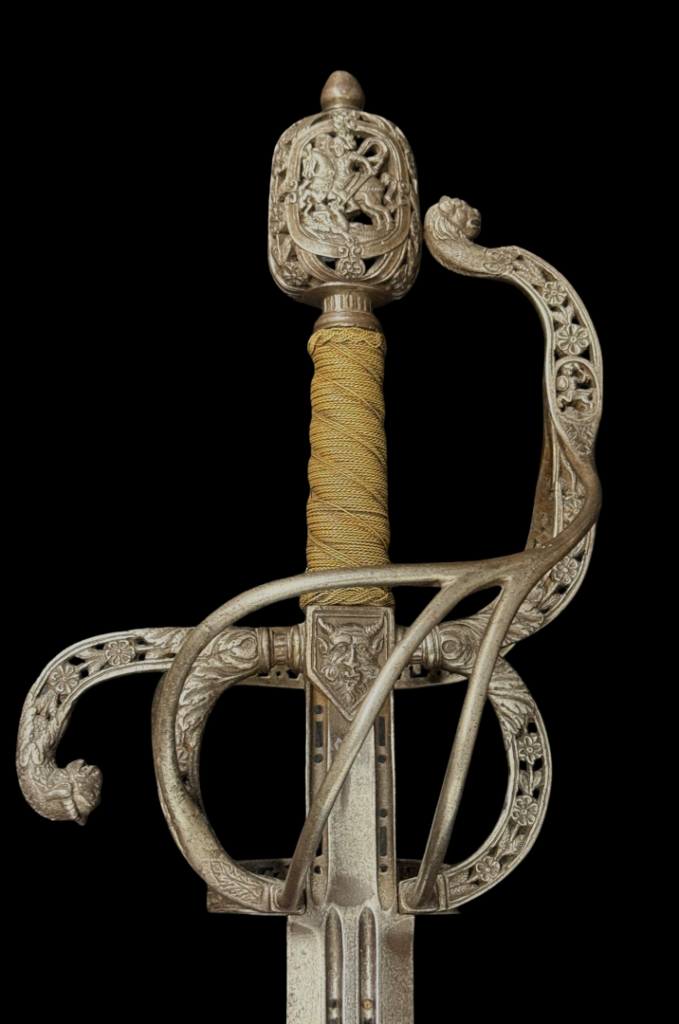
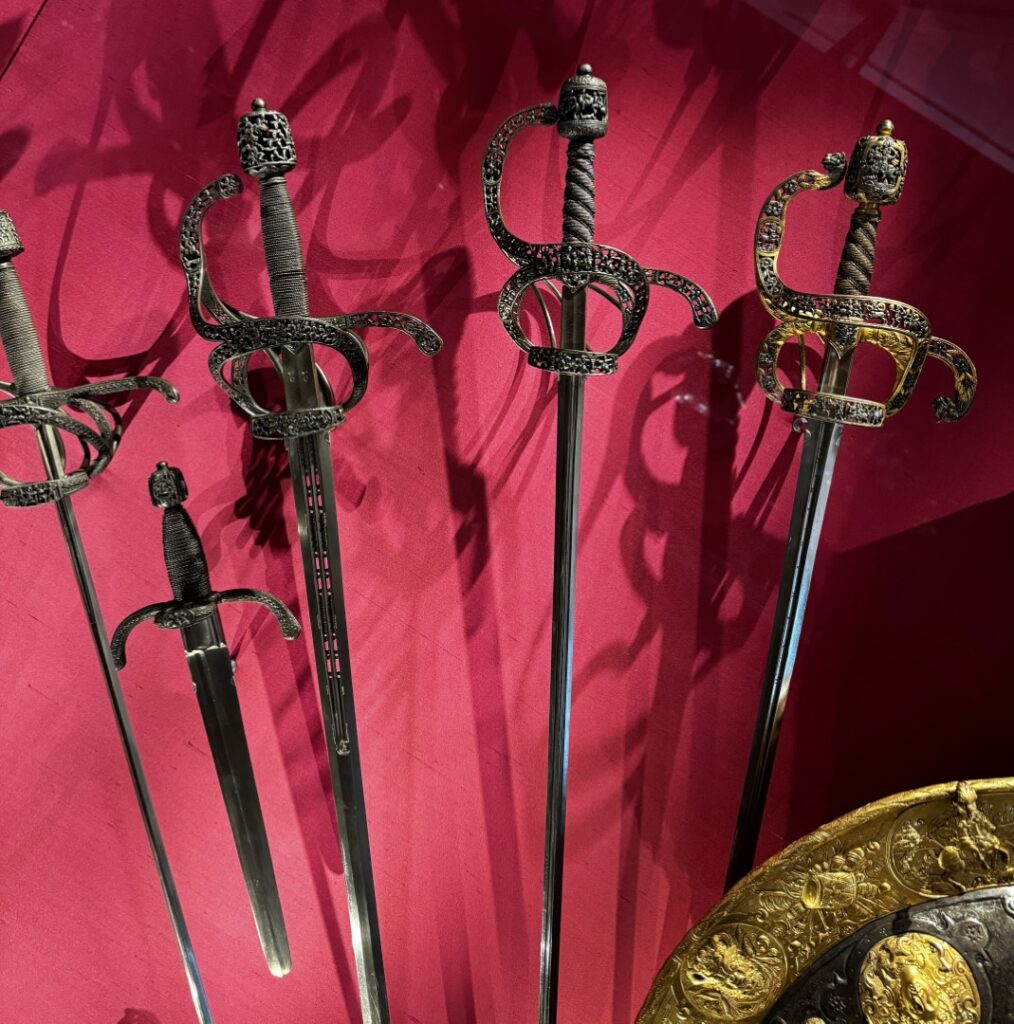
1957) MAGNIFICENT RAPIER IN THE TASTE OF A RARE AND IMPORTANT EXAMPLE  CIRCA 1610 FOUND IN THE WORLD FAMOUS DRESDEN MUSEUM:

Introduction: The word opulence is defined as great wealth or luxuriousness. For opulence in the late Renaissance, look no further than the Armory of the Electors of Saxony in Dresden, Germany. With great wealth since the 12th century from mining silver, salt, and other metals such as bismuth, cobalt, copper, iron, gold, nickel, tin, and from metalworking, they spared no expense on tournaments, social functions, and, above all, on the elite aristocratic members of the Trabantenleibgarde.

The Dresden Rüstkammer (armory) is part of the Staatliche Kunstsammlungen Dresden and one of the world’s most important museum collections of arms, armor, and weaponry from roughly the 15th to 18th centuries. It originated as the weapons repository of the Saxon electors and dukes and, over time, became a museum collection of art and history.

 The collection is particularly renowned for its exquisitely crafted rapiers and court swords, many of which belonged to the Electors of Saxony and their bodyguards. The rapiers in the collection often feature elaborate hilt designs, including “swept-hilt” styles decorated with gold, silver filigree, and blue-and-white enameling that mirrors the aesthetic of fine pottery.

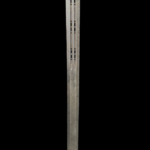
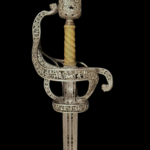
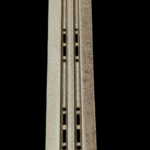
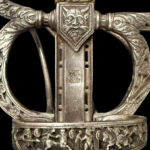
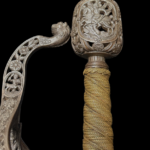
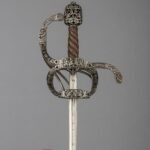
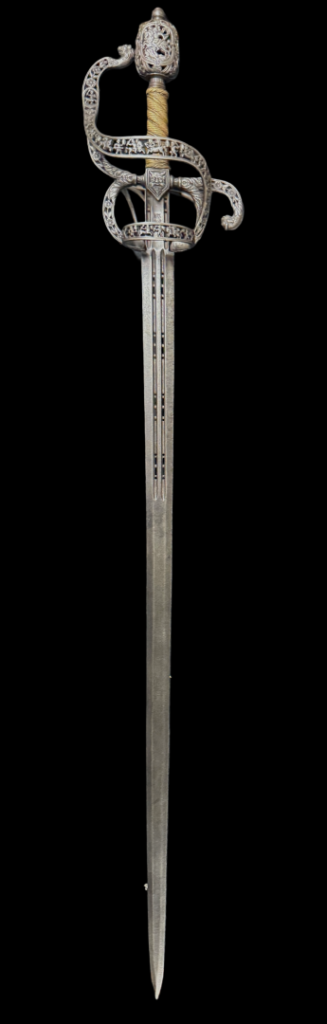
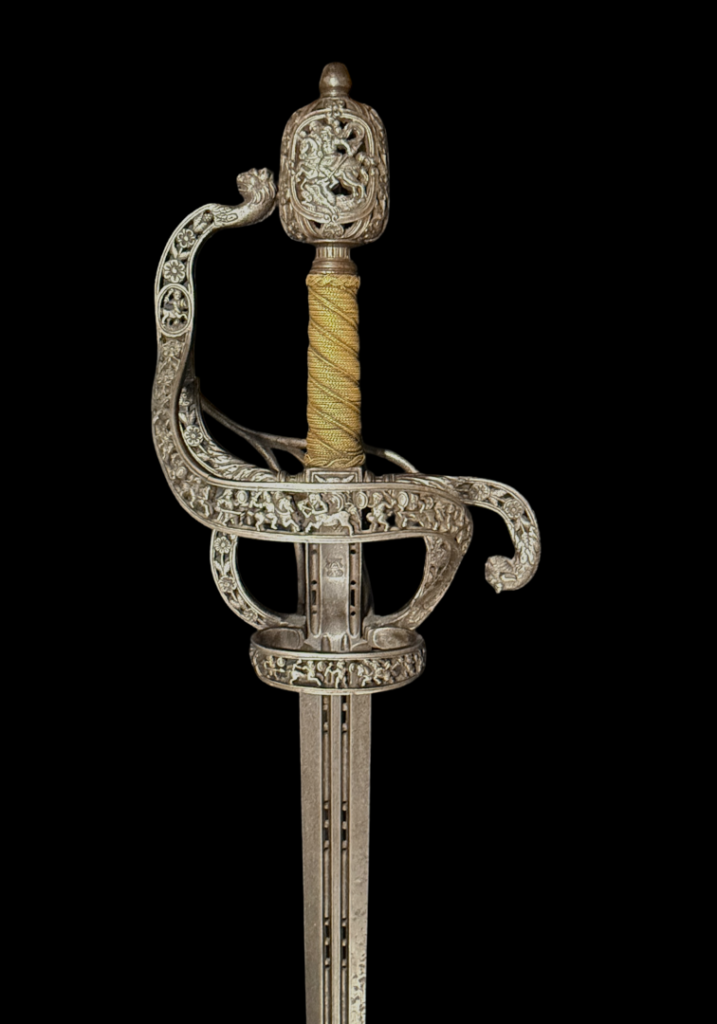
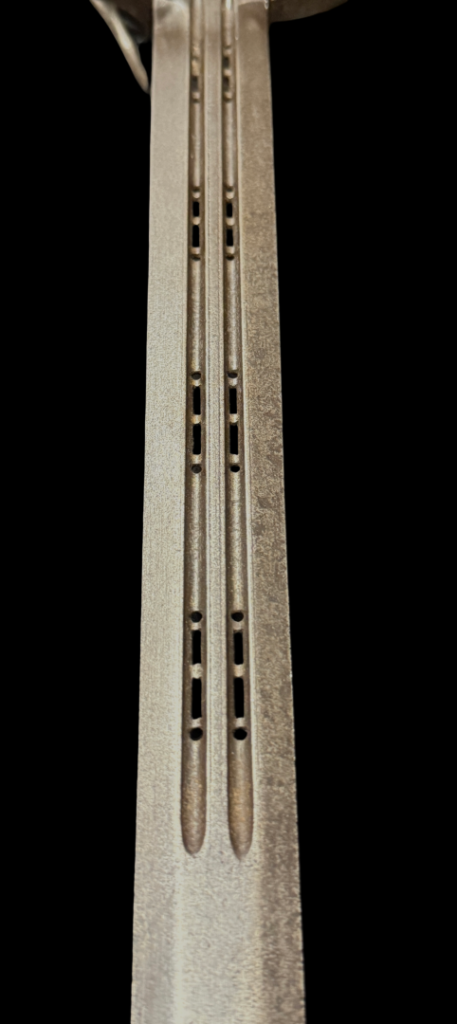
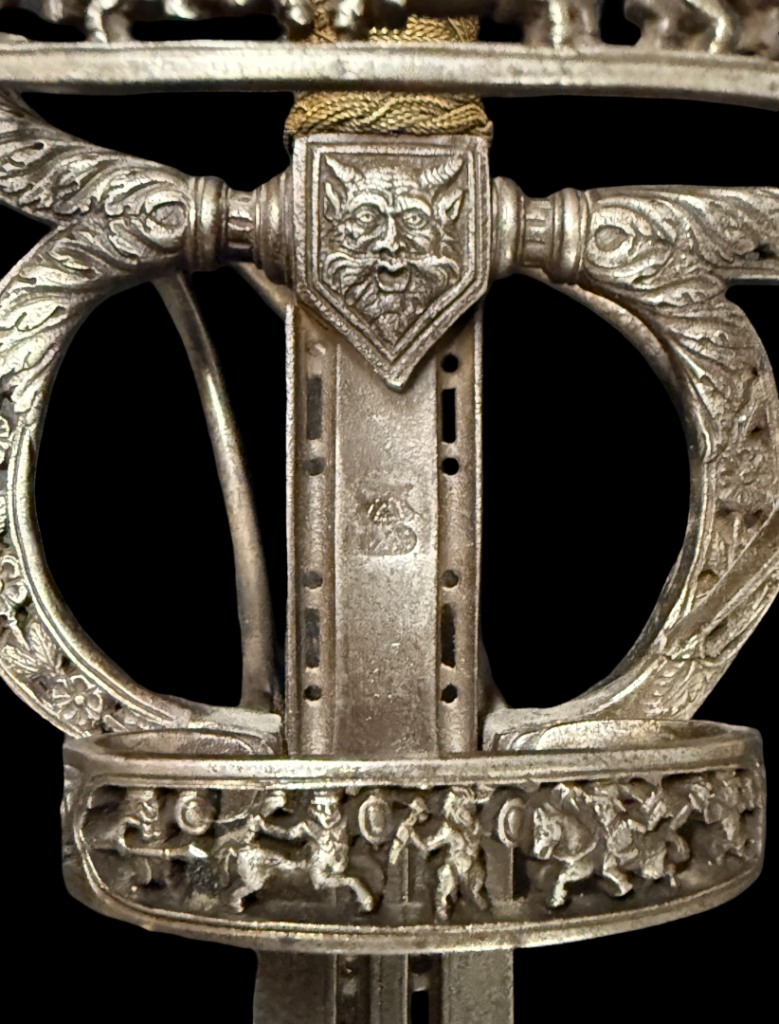
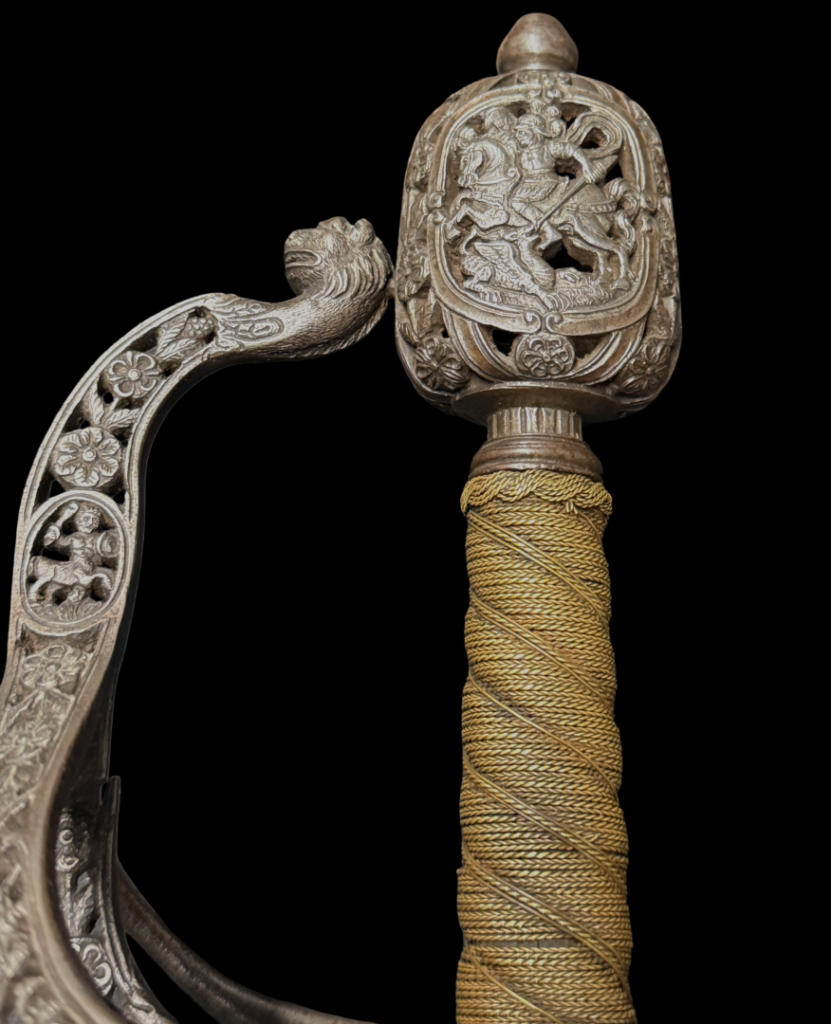
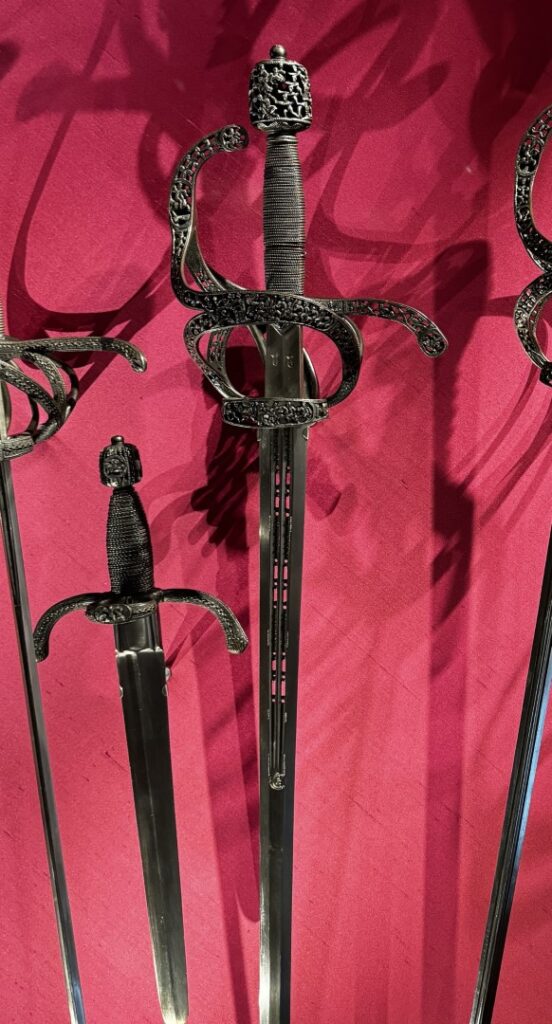
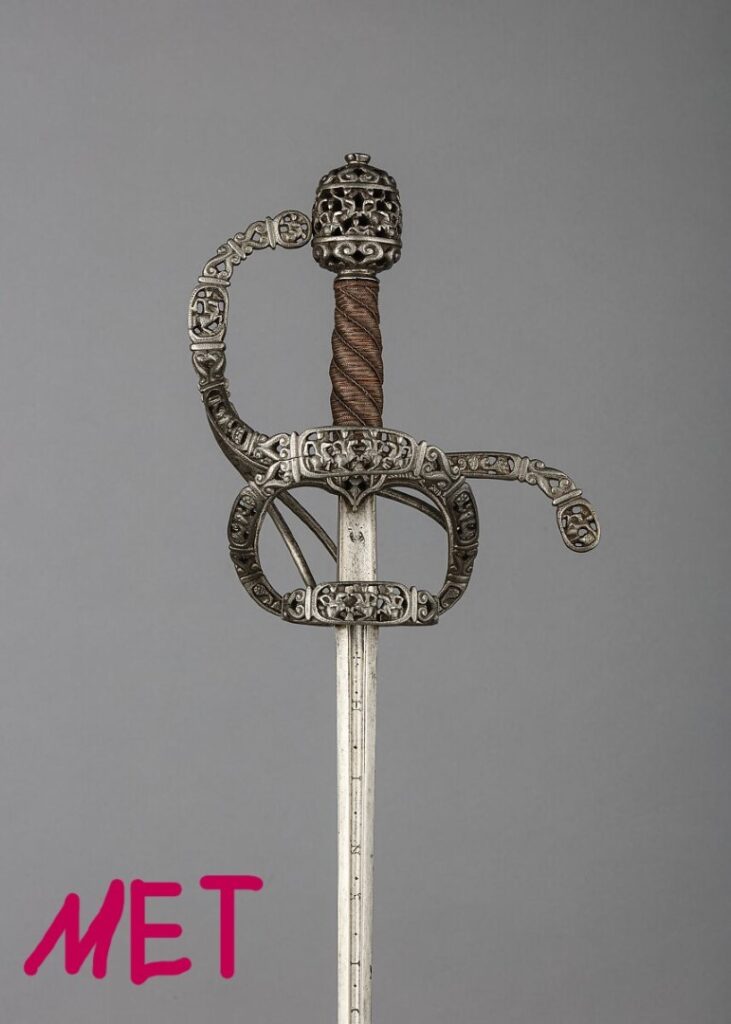
Description: The sword under discussion is a Norman type 57 with a highly and intricately pierced hilt and pierced blade with makers mark on the ricasso. This sword is stout and large, as the original ( pictured above). It was probably made circa the 1820s as a tribute to the one in Dresden by a superb craftsman of exceptional talent.

Length: 47 inches.

Condition: A+ with a small, unnoticeable, masterfully done repair to the hilt.

Discussion: In a day and age lacking appropriate policing, the private citizen was forced to protect himself from society‚ criminal dregs. The weapon of choice was the rapier from the middle of the 16th to the end of the 17th century. The rapier is a simple but highly effective sword against the non-armored. The rapier was primarily a thrusting weapon that could inflict serious injury to an adversary‚ vital organs with minimal effort. It was also an exceptional slashing and cutting weapon; however, the slash was not as lethal as the thrust. The slash was used more as a feint to set up a finishing thrust. The slash was also a dire warning to a would-be assailant of the horrors to quickly follow if he chose not to acquiesce.
The rapier is almost undeniably of Spanish origin and is probably Spain‚ most significant contribution to the Renaissance arms race. A highly expensive, ornate rapier was the equivalent of a person in our day and age making a fashion or opulence statement by wearing very expensive jewelry, such as a Rolex or Audemars Piguet watch.
 Because fencing is more of a thrusting art, it became commonplace throughout Europe to have as long a blade as possible to obtain an advantage. This extravagance in length reached the point that municipalities passed statutes regarding the allowable lengths of blades. Those in violation had the misfortune of having their rapier‚ blade cropped at the tip at the city gate to comply. One example of these statutes is from an English Royal Proclamation on March 17, 1557. The French adopted the phrase “espee rapiere” by 1475, which was later shortened to simply “rapiere.” The English, in 1505, spelled it “rappyer.” The Giles Duwes English/ French dictionary of 1532/3 adopted the rapier’s definition as”Spannyshe sworde.” By 1550, the term rapier had been adopted to describe a slender, sharply pointed sword designed for thrusting, cutting, and slashing attacks. The rapier now consisted of a hilt protected by a handguard.
The Earliest Illustration of This Sword Type: Is in a 1588 portrait of John Shirley, currently housed in the Metropolitan Museum of Art (#51.194.2).  Also illustrated in a portrait of Luccio Foppa, circa 1585, by Giovanni Antonio Figino.

Comparables: A similar period example can be found in:

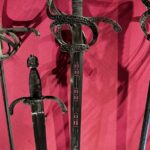
– Metropolitan Museum of Art, Object # 14.25.1135, pictured above.

– The Wallace Collection (Cat no. 593).

Provenance: From a private world-class rapier collector that seldom, if ever, sells his best.

Conclusion: Assuming you could find someone with the talent to make a sword like this (and that’s a big if),  rest assured, you would be paying at least twice what this one is selling for, and I doubt it will be as superbly crafted. Workmanship like this is seldom seen anymore; it’s a lost art. Although not a period piece, it is an antique approximately 200 years old.

This rapier makes a big and powerful statement. It’s been in my office among a vast amount of superb period arms and armor, and almost anyone who has come to the office goes directly to it. If this were a period sword, such as the Dresden example it emulates, you would be paying hundreds of thousands of dollars.

Bargain-priced for a quick sale. Don’t wait and act now. !!!*.

All my items come with the following:

–Free shipping.

–10-day review period.

–Certificate of Authenticity.

–Autographed copy of my book.

–In the event of an international shipment, we will help assign the lowest correct Customs tariff, so you pay the least.

I believe you will be very pleased. ACT-NOW!!!*


PHP Code Snippets Powered By : XYZScripts.com
JOIN OUR MAILING LIST
Form is not available. Please visit our contact page.
X
Sign Up