1950 Antique Sword
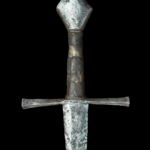
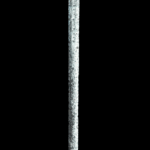
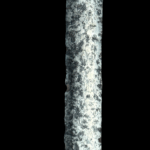


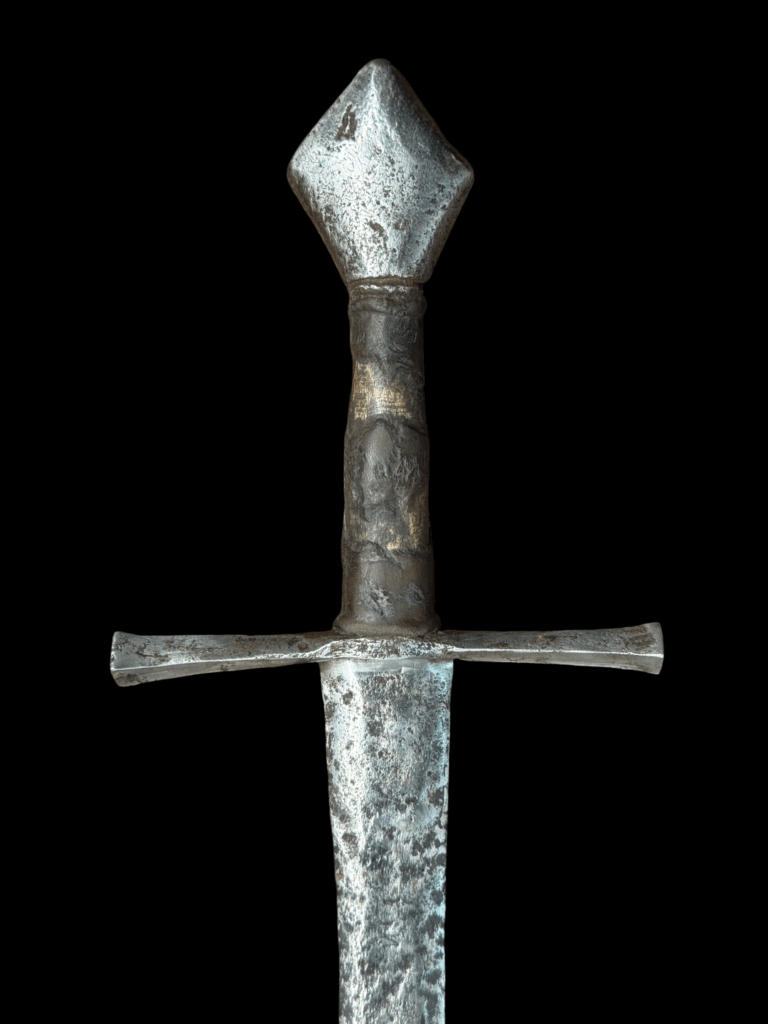
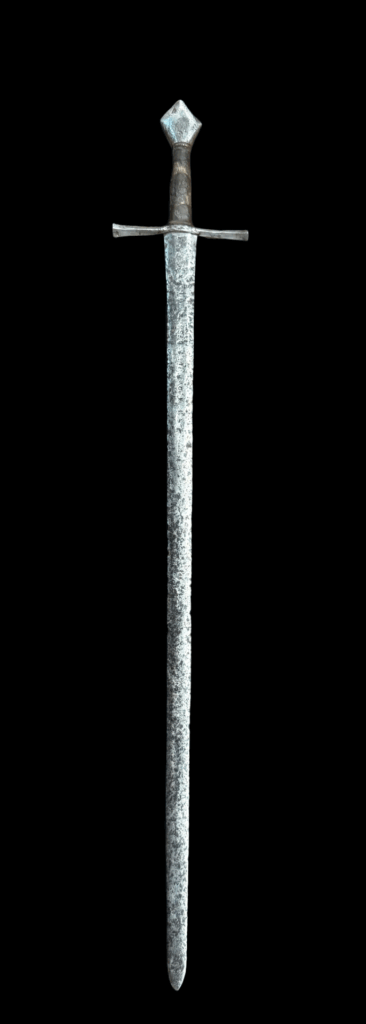
1950) A FINE GERMAN CRUCIFORM SWORD CIRCA 1480 WITH ORIGINAL GRIPS:
Introduction: This is not a ground find. Based on the condition, this could be a tomb find, which is exceptionally rare.
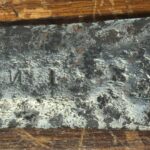
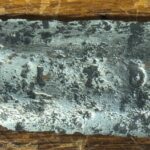
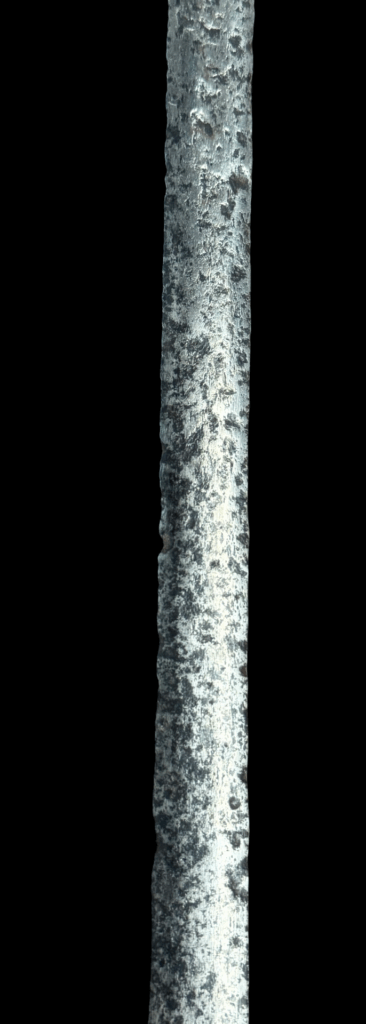
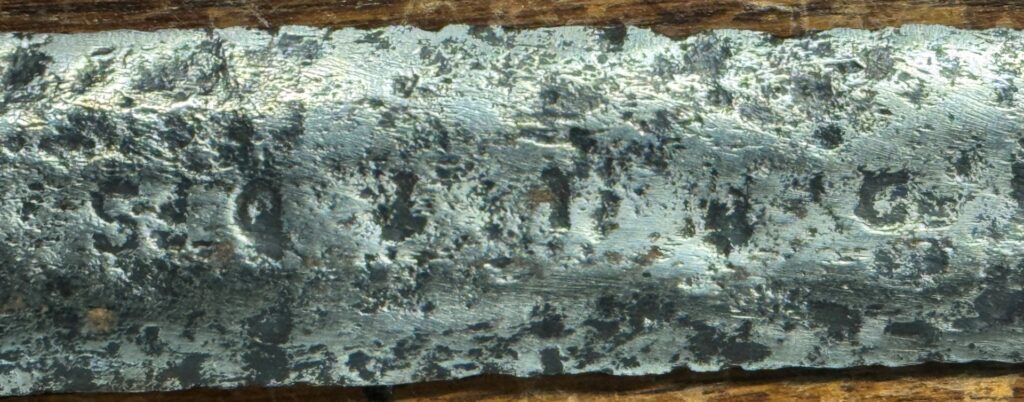
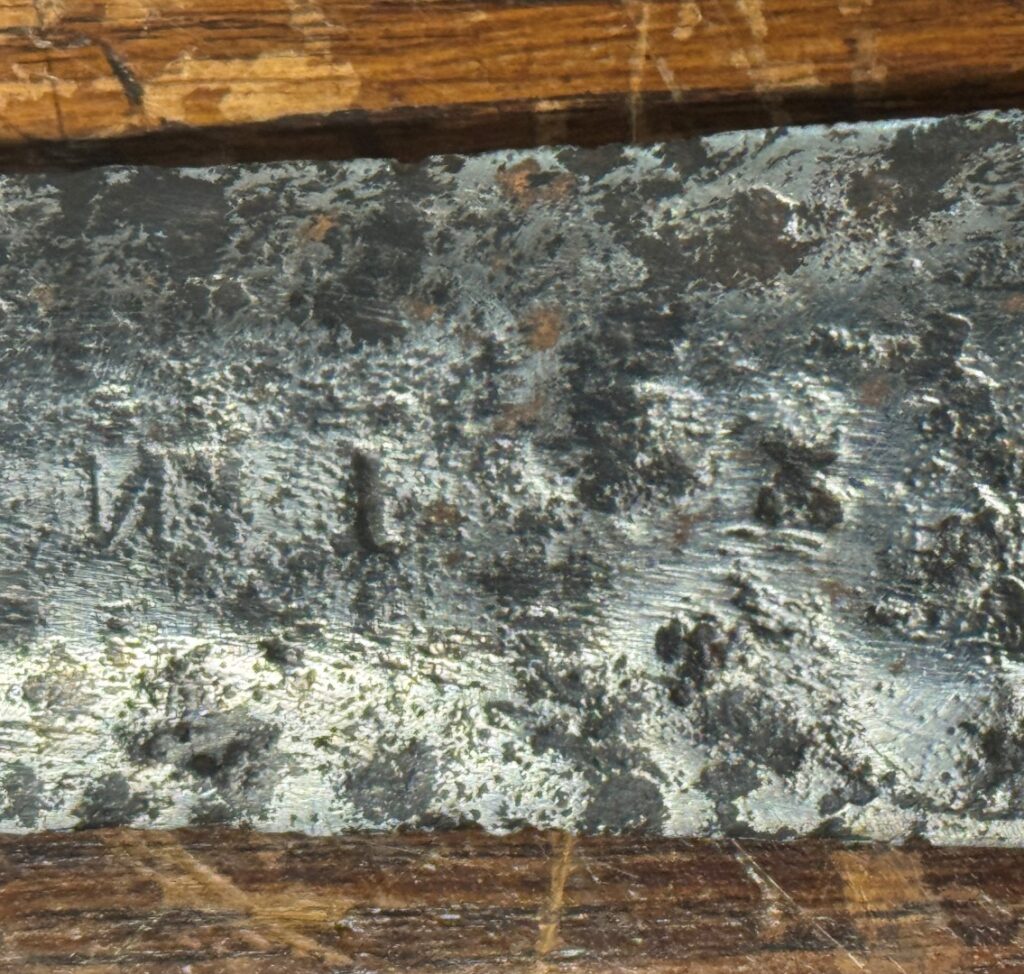
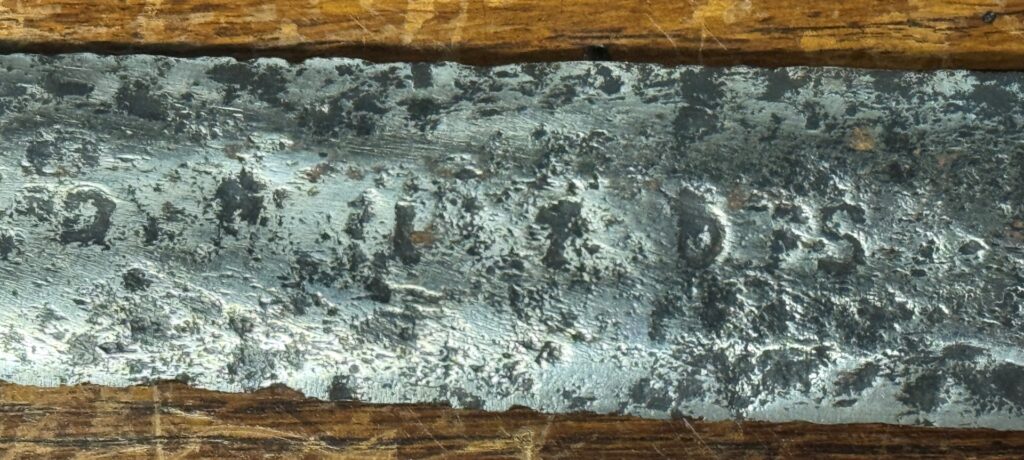
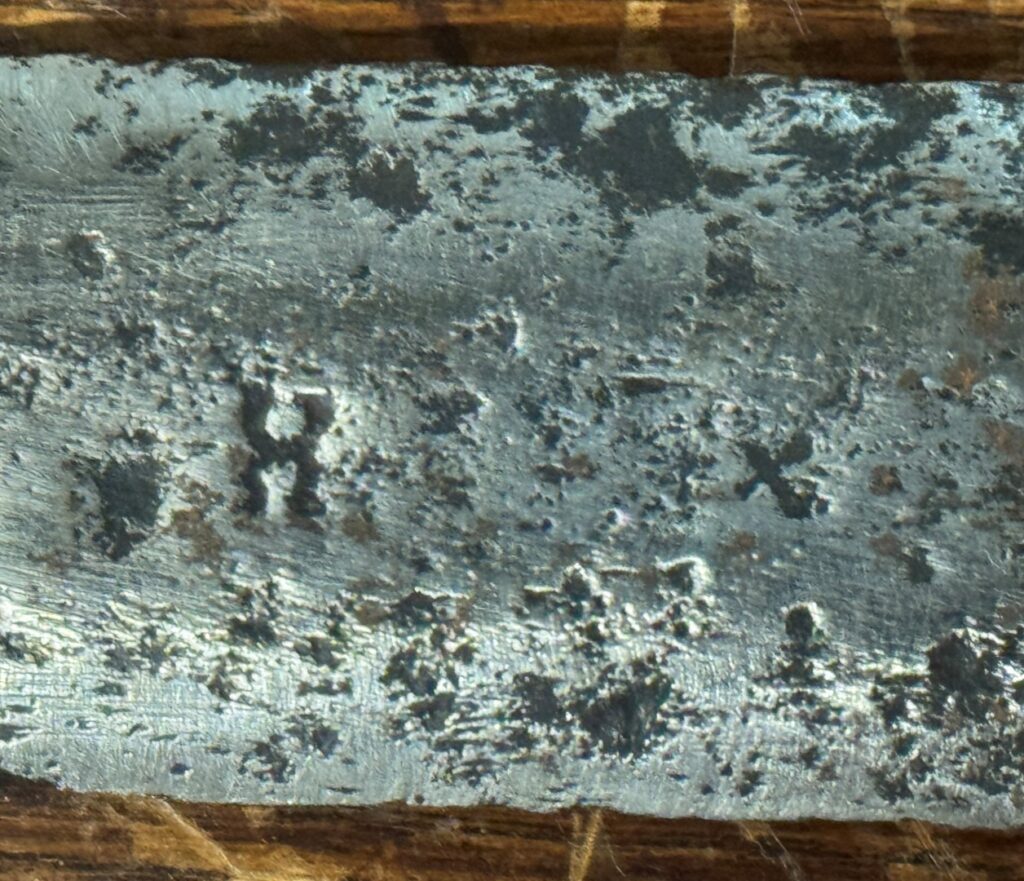
Description: Under the Oakeshott typology, the pommel is an F. The Family type is A, which was used from 950 to 1550, and the quadrilateral guard is a Type 2. What appears to be original wooden grips with original leather. The blade has a slow taper and is decorated with talismanic numbers and letters.
Condition: good.
Approximate length: 36.5 inches.
Provenance: Austrian collection.
Discussion: Today, we associate the sword with the knight of noble birth. That association is essentially correct since swords are weapons of war, and only knights could carry them in times of peace. In some towns, even the nobility could not carry a sword. Merchants and townspeople often carried daggers but not swords. To understand the development of the Medieval and Renaissance sword, there are certain idiosyncrasies, facts, and misconceptions you may need to learn or clarify.
1) Swords, in general, were seldom made by a single swordsmith, even if his mark or signature appeared on it: Swords were mass-produced in centers such as Passau in Lower Bavaria and Solingen in a city near North-Rhine Westphalia. Many blades were made exclusively for export to other countries. Manufacturing centers such as these had water-driven hammers and other mass-producing techniques that produced blades of very high quality, much less expensive, and much faster than a hilt maker could.
2) Swords with good blades (a valuable commodity) were passed down and rehilted. The working life of a sword/blade could be for several generations. Therefore, you could have a blade with a later hilt type. For example, in the Dresden Museum (Militärhistorische Museum Dresden), there is an exceptionally elegant gilded and fluted sword with a hilt dated 1588, yet the blade has an inscription dated 1557. Original hilt? Hardly! In the Wallace Collection, Cat#A672, there is a small sword by Caspar Spat that currently resides in the Castello Sforzesco, Milan. The illustration of this same sword in the Uboldo Collection Sketchbook has a different blade. However, even this blade is over 100 years too late. It can be surmised that the hilt may have been re-bladed at least three times.
3) The catalyst of sword design and evolution was dictated primarily by changes in warfare strategy, civilian combat, and defensive armor worn by both civilians and the military. It is no coincidence that by circa 1420, when full plate armor was coming to fruition, the sword started to develop into a stronger thrusting weapon that could penetrate mail and find openings in armor (see “Chink in the Armor,” pages 83 and 214-215 in my book). Unlike what you see in movies or might have read, swords could not penetrate plate armor. The development of plate armor was key to the changing shape and design of the sword. It was the swordsmith versus the armorer. Before the widespread use of plate armor, swords were almost entirely used for cutting or slashing. Later, when knights and soldiers wore plate armor, swords became sharply pointed for thrusting or stabbing at difficult-to-protect areas.
4) Generalities of the sword. Until the middle of the 13th-century, most swords were made to be wielded with one hand and usually on horseback. Most blades were double-edged; however, some examples are single-edged. The balance of a sword was very important; it made it easier to wield, and the knight tired less because it felt lighter. The counterbalance to the weight of a blade is the pommel. The tang (see page 35 in my book) was usually covered with wood. The wood is covered with leather, wire, or cord. The wood is necessary because it increases the mass of the sword grip, thus making it easier to grip, strike harder, absorb vibrations, and fatigue less. Another critical function of the wood grip is to reinforce the guard by transferring the impact received by the guard (quillon) directly to the pommel (this is why guards are not welded to the blade). In many cases, swords for the very wealthy were made with exceptionally expensive materials for the grip and highly decorated hilts and blades. Certain pommels and guards correspond to specific blades. The most common pommel, the wheel pommel, came into vogue during the middle of the 12th-century, even though it originated about a hundred years earlier. Variants of the wheel pommel included beveled borders and bossed centers. The most common quillons are square in shape and horizontal in length, and they usually swell as they reach the tips.
All my items come with the following:
–Free shipping.
–10-day review period.
–Certificate of Authenticity.
–Autographed copy of my book.
– In the event of an international shipment, we will help assign the lowest correct Customs tariff so you pay the least.
Conclusion: This sword is not exceptionally large; however, this should not deter you from wanting it. This is an excellent addition to any collection. This sword carries with it a certain mystique that is difficult to put into words. If only this sword could speak the stories it could tell. If you’re looking for just one very good early sword for your collection, this is it. ACT NOW, this one is too good to pass up and it’s priced to sell today!!!.*