1942 Antique Dagger
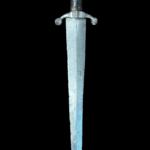
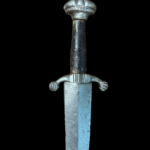
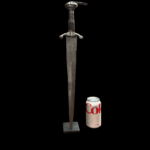
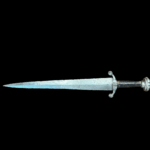
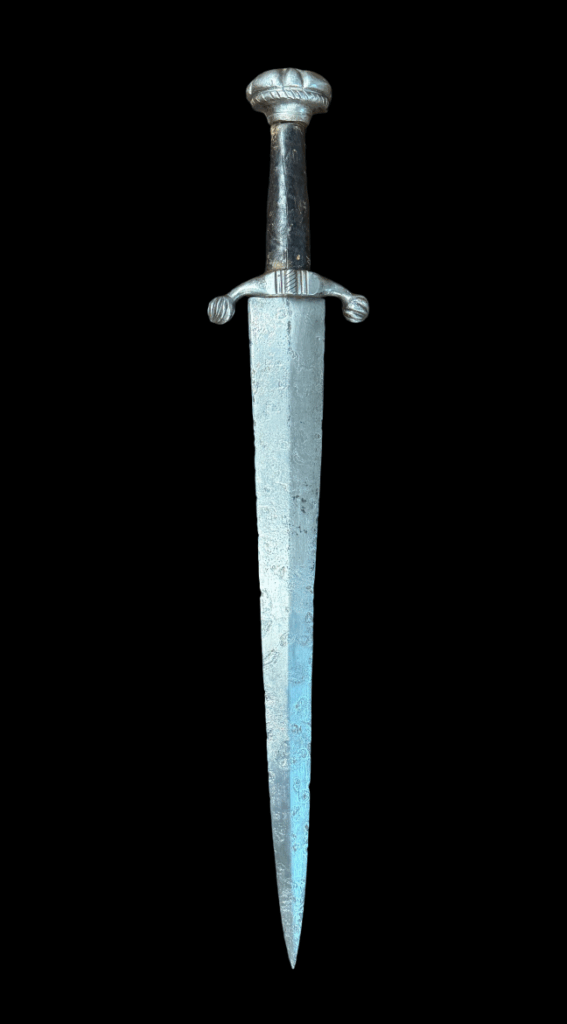
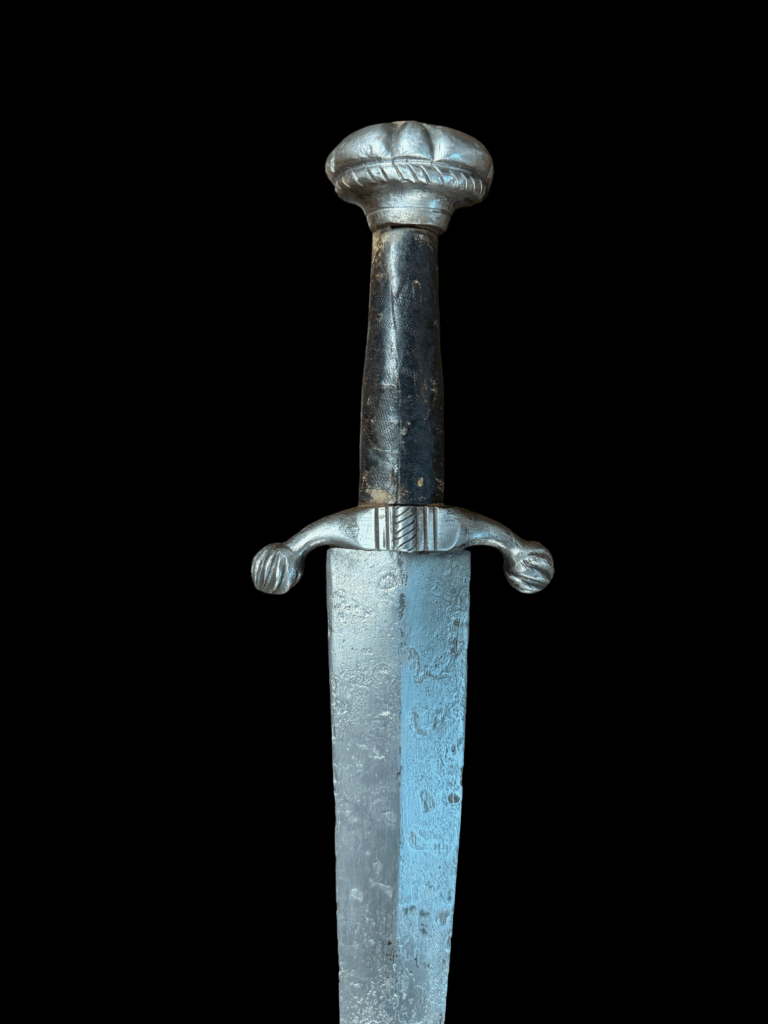
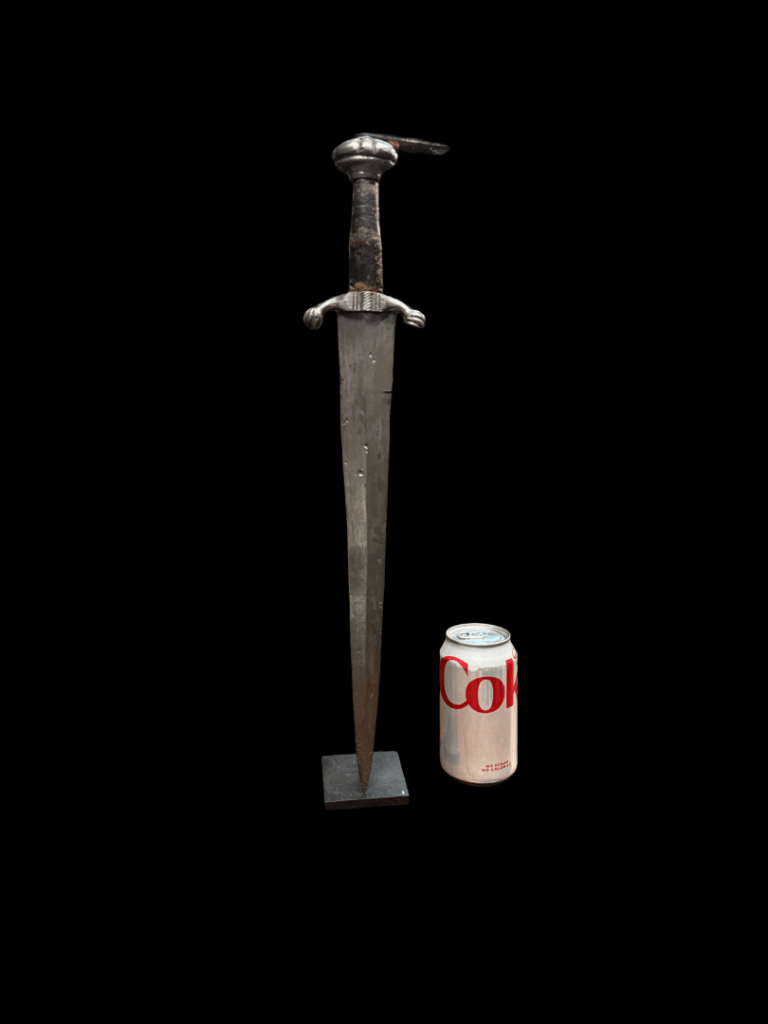
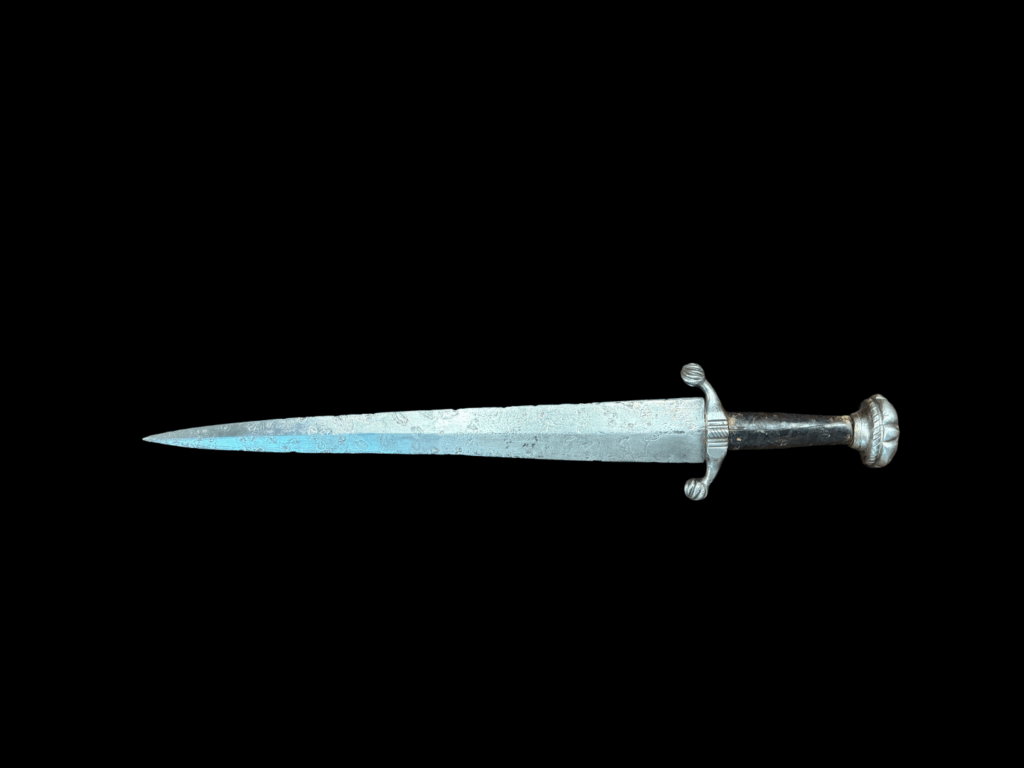
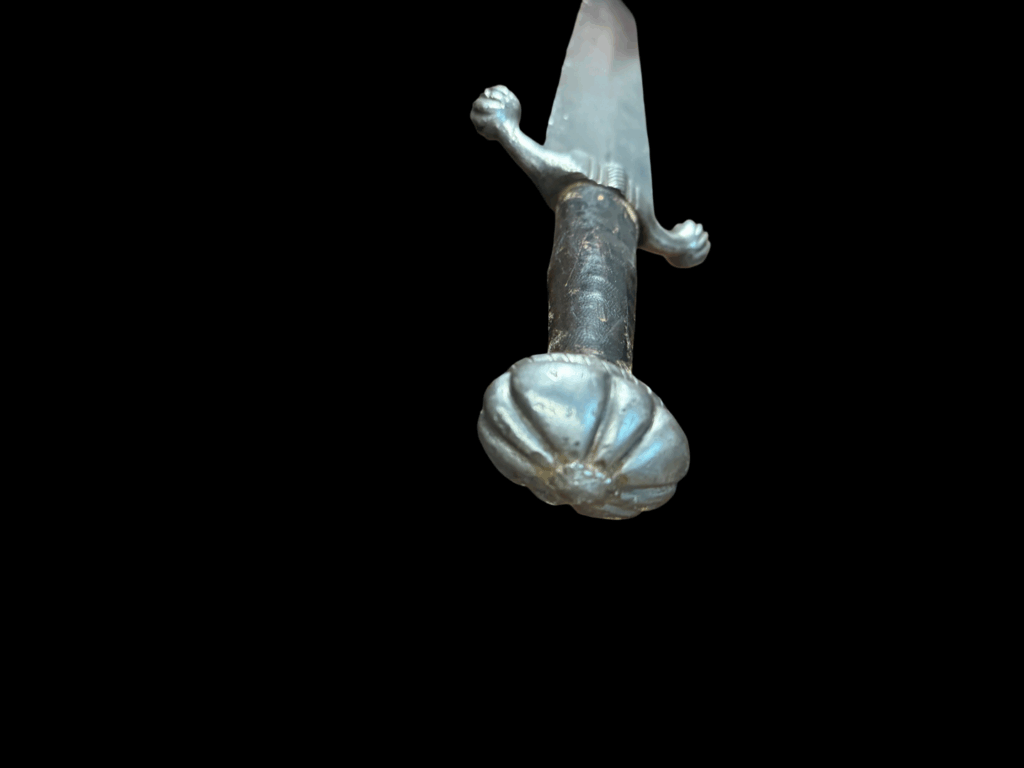
1942) IMPORTANT MAXIMILIAN / LANDSKNECHT DAGGER CIRCA 1520: An ultra-elegant and highly sought-after typology of Knightly dagger. So large, it could be considered a short sword!
Introduction: This typology dagger is exceptionally rare in the collector’s market and highly sought after. Even in ground find condition , they are difficult to acquire. This dagger is rare, elegant, exceptional, 100% original, and massive!
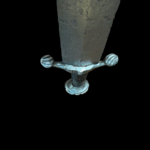
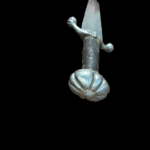
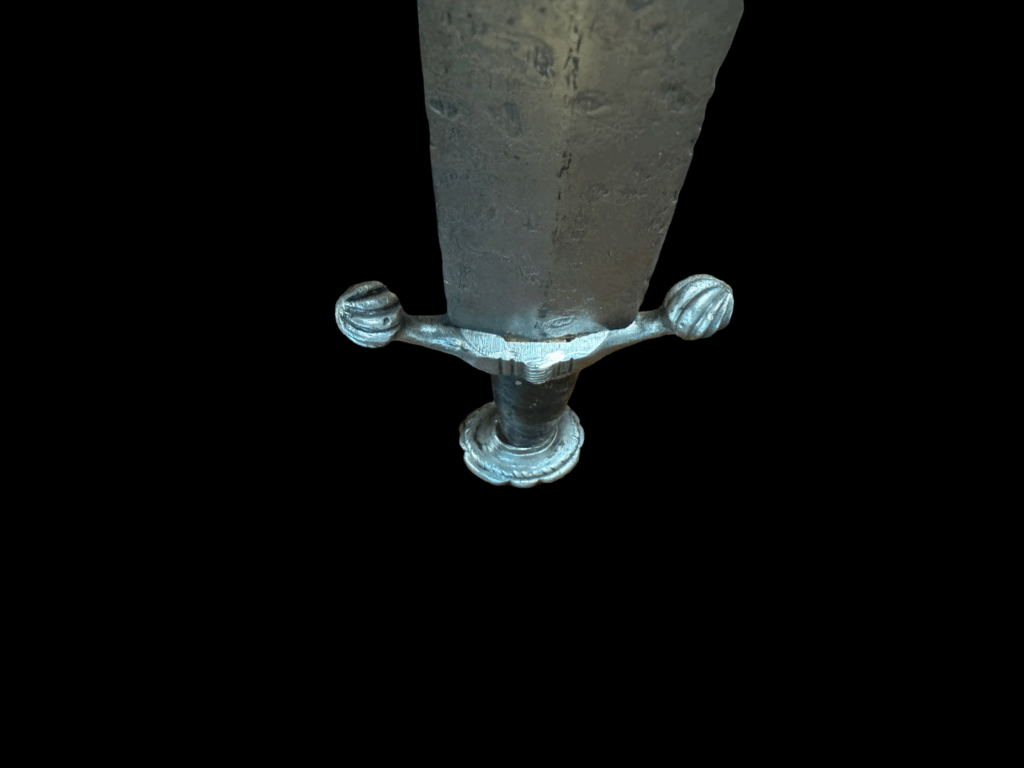
Description: Constructed with a broad, intricately chiseled pommel with a tang button on the apex center and hash marks at its base, a wood grip covered in leather, double-edged blade with a medial ridge, downward-turned quillons expanding at the tips, and decorated en suite with the pommel and center quillon block.
Condition: Cleaned to German museum standards, it may have been acid-cleaned at one time. Remnants of having had pitting at one time on the blade, probably from being kept in a sheath where moisture accumulates over time.
Length: approximately 19.5 inches.
Comparable: See page 344 item (28) in my book.
Discussion: “During the 16th century, the most feared soldiers on Europe’s battlefields were the landsknechts. These German mercenaries had such a reputation for unprincipled, ruthless violence that one chronicler remarked that the devil refused to let landsknechts into hell because he was so afraid of them. The landsknechts were the brainchild of Holy Roman Emperor Maximilian I [r.1493-1519], who’d seen the effectiveness of Swiss pikemen in their wars of independence against the Duchy of Burgundy and his own Holy Roman Empire.”
The Medieval dagger came to fruition in Europe circa 1250. Forms of daggers varied by nationality, fashion, and intended use. The uses of daggers were varied, and they were used by everyone, including farmers and knights. Farmers used them to perform their daily work. The knight had a dagger strapped to his belt with a retaining chain (see page 63 in my book). Civilians used daggers and knives for self-defense and eating. Laborers used them in their daily profession. The dagger was now a big part of society and daily life, unlike in past periods. During this period, knife fighting focused on penetrating mail and other soft armor, such as non-hardened leather or quilted (padded) fabric. Therefore, the primary strike was with a downward grip on the dagger. In modern knife fighting, the opposite is true; now, the upward grip with the blade facing up is most often used. Since people no longer wear armor, an upward knife thrust or slash will easily penetrate contemporary clothing.
Conclusion: It can be yours if you ACT NOW!!! Don’t delay; this one should sell quickly, and I don’t know when, if ever, I will get another!!!*
I believe you will be very pleased. All my items come with the following:
–Free shipping.
–10-day review period.
–Certificate of Authenticity.
–Free autographed copy of my book if you do not have one.