1835 Cup Hilt
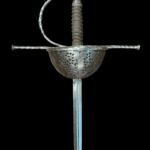
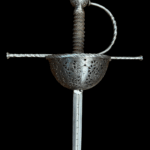
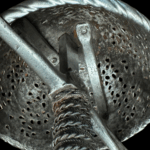
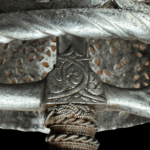
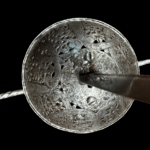


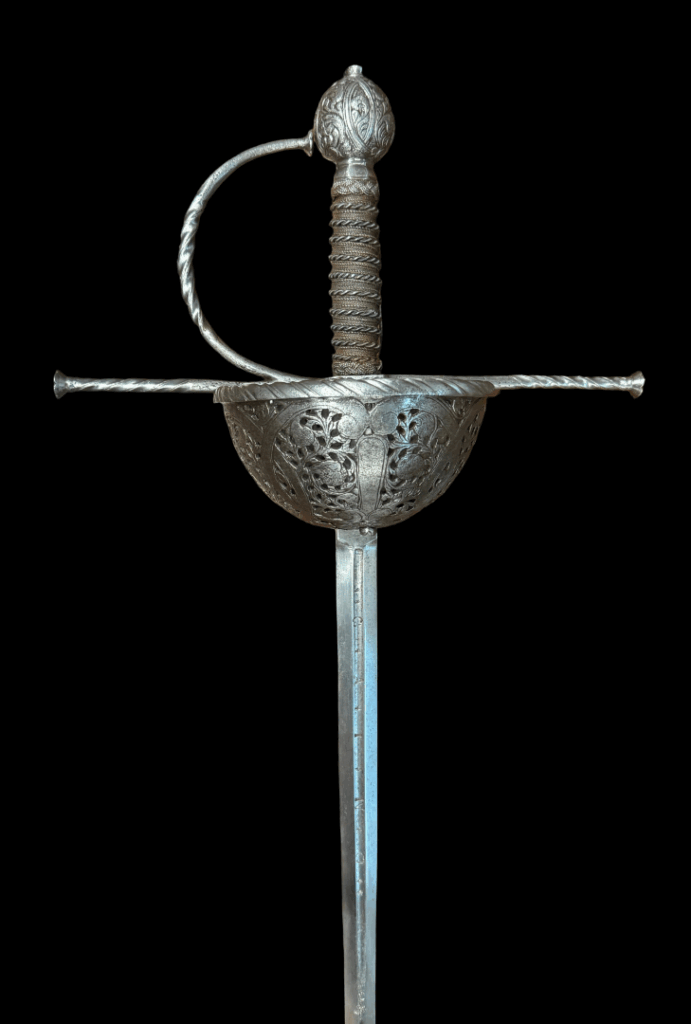
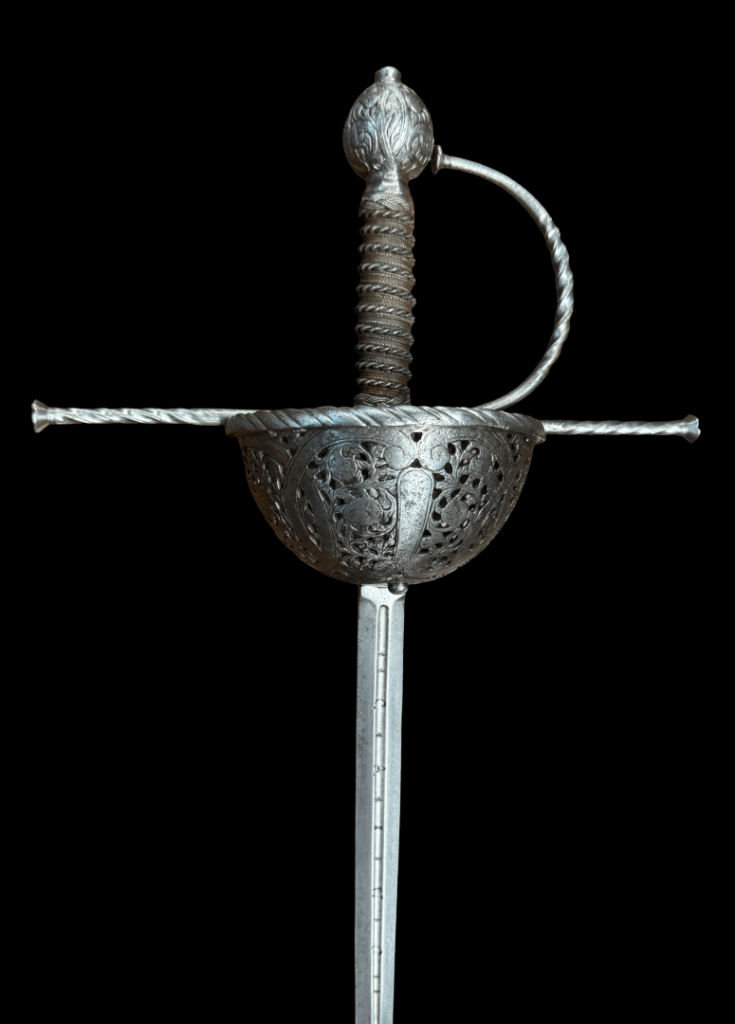
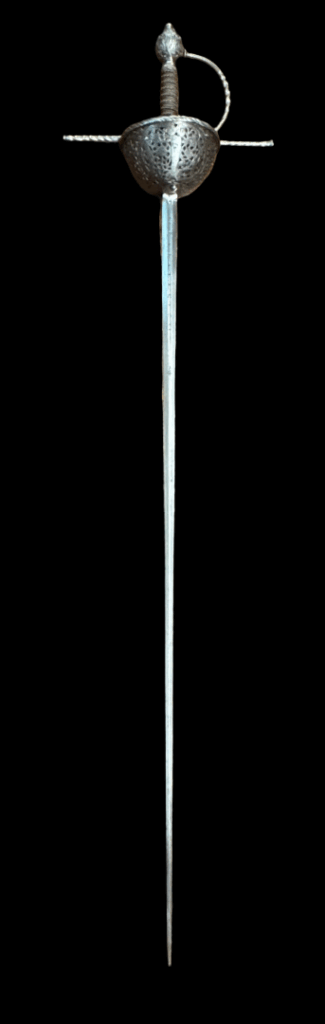
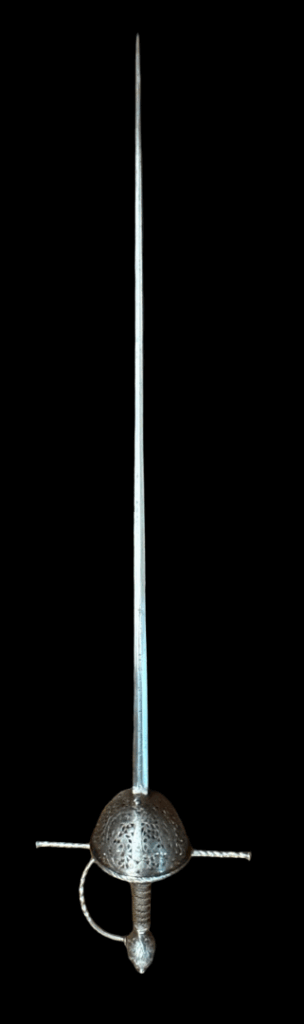
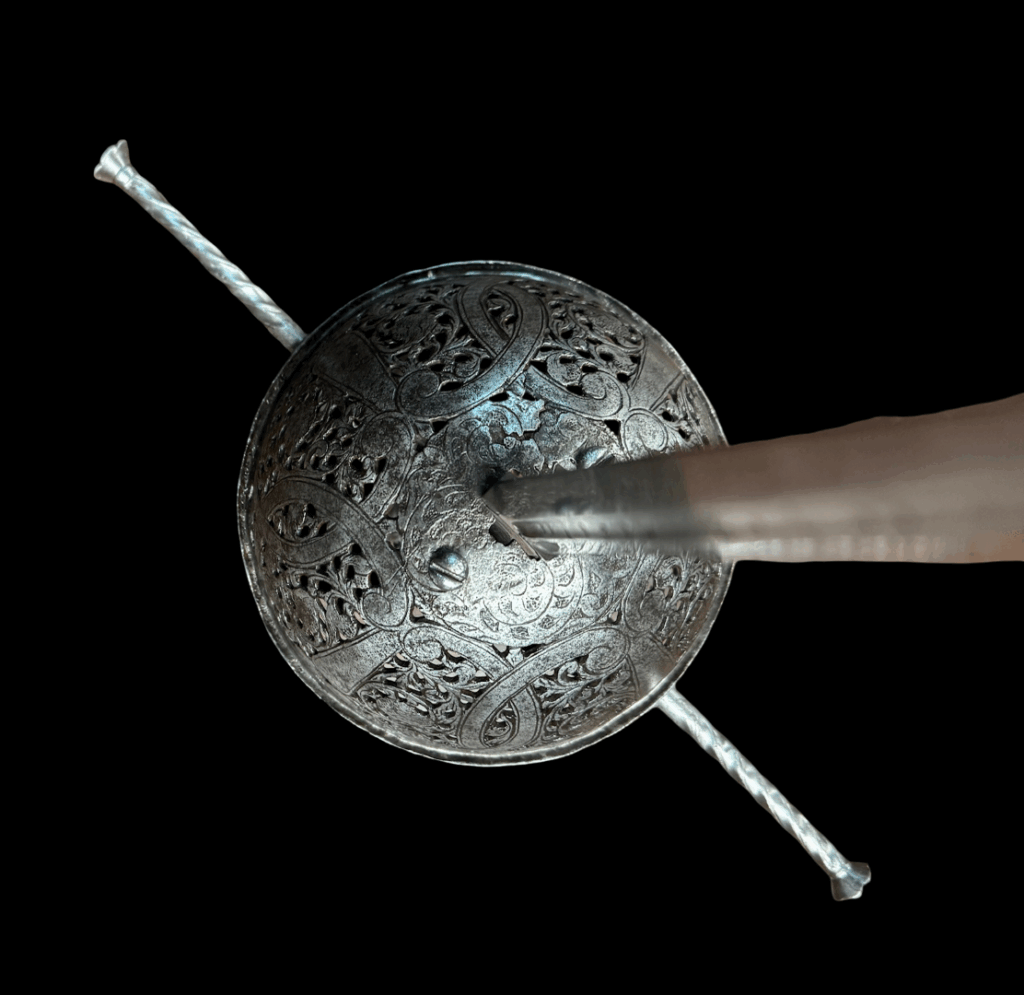
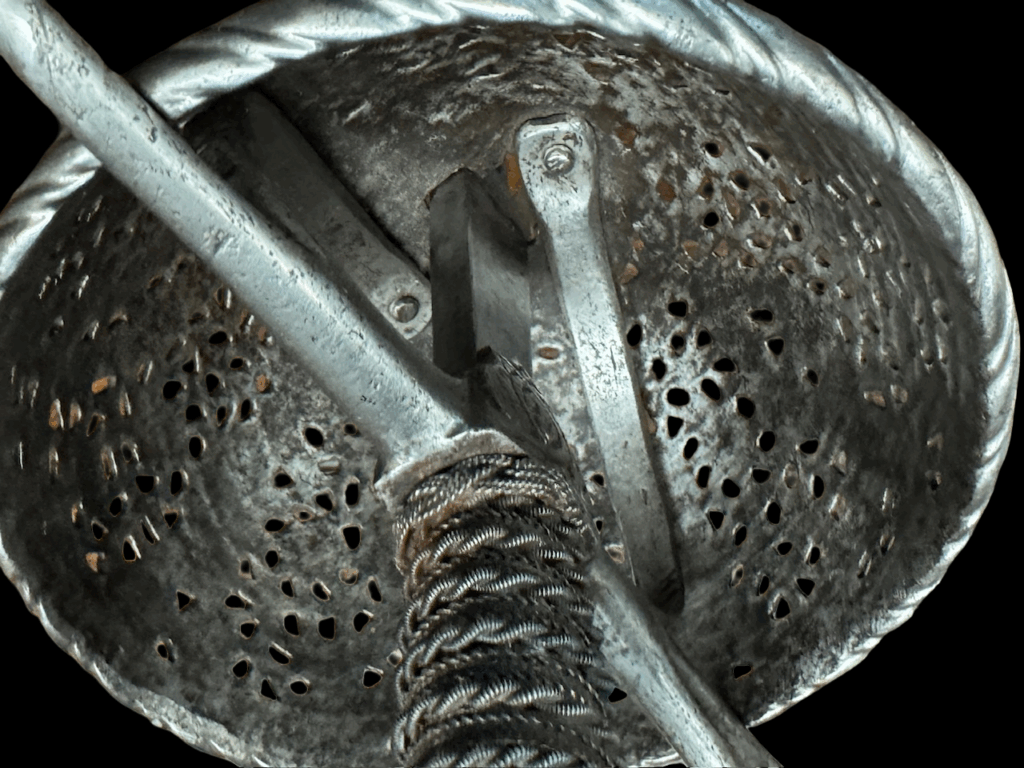
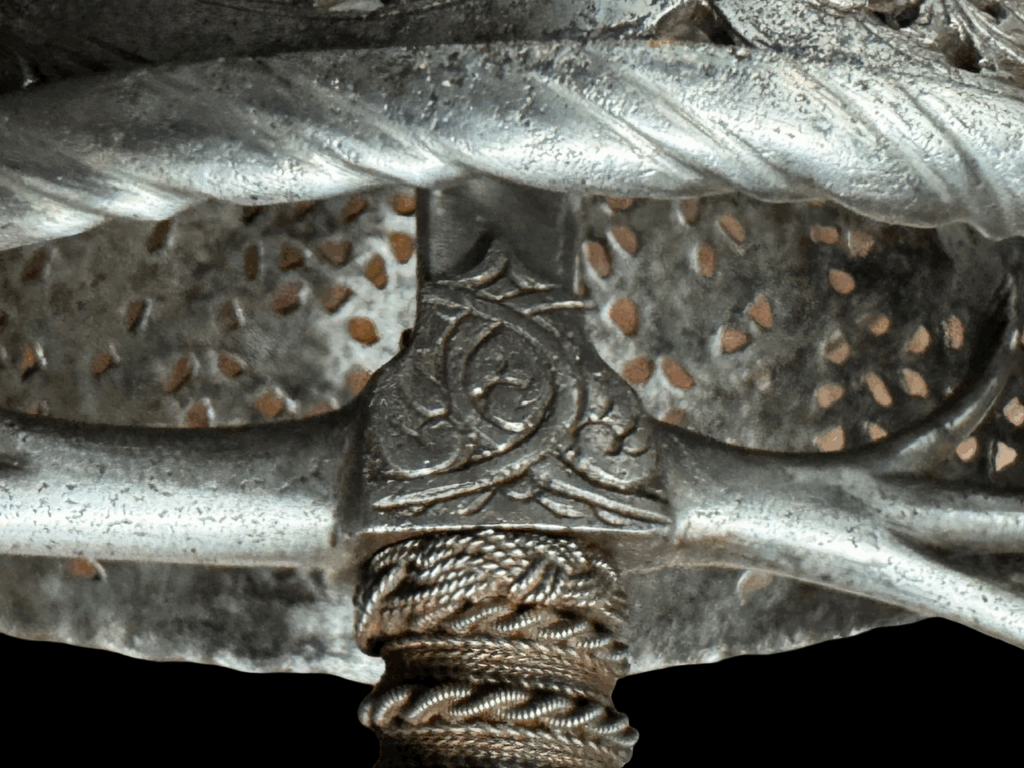
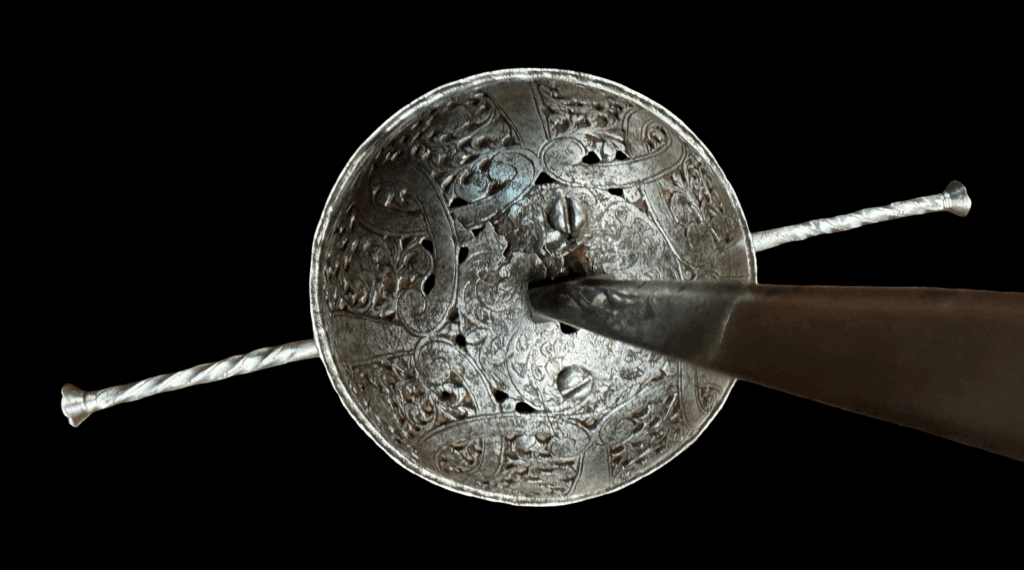
1835) VERY FINE CAINO PIERCED CUP HILT RAPIER CIRCA 1670: Superb condition and from the legendary blade makers of Caino.
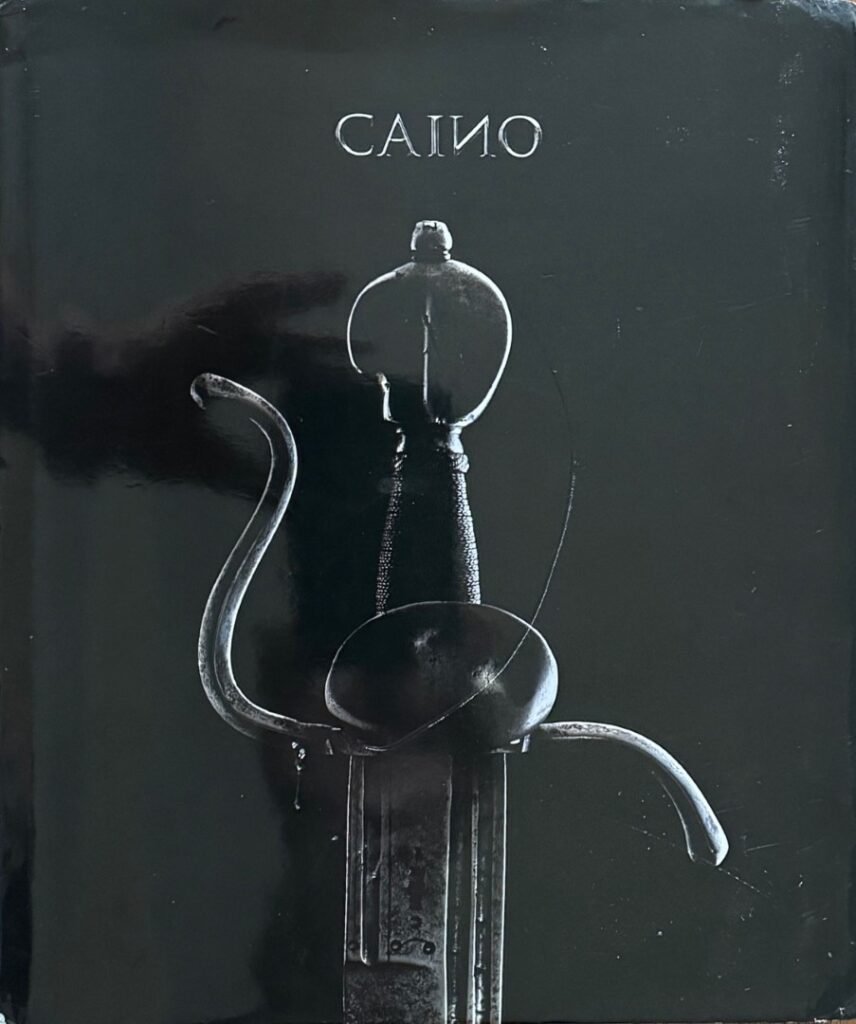
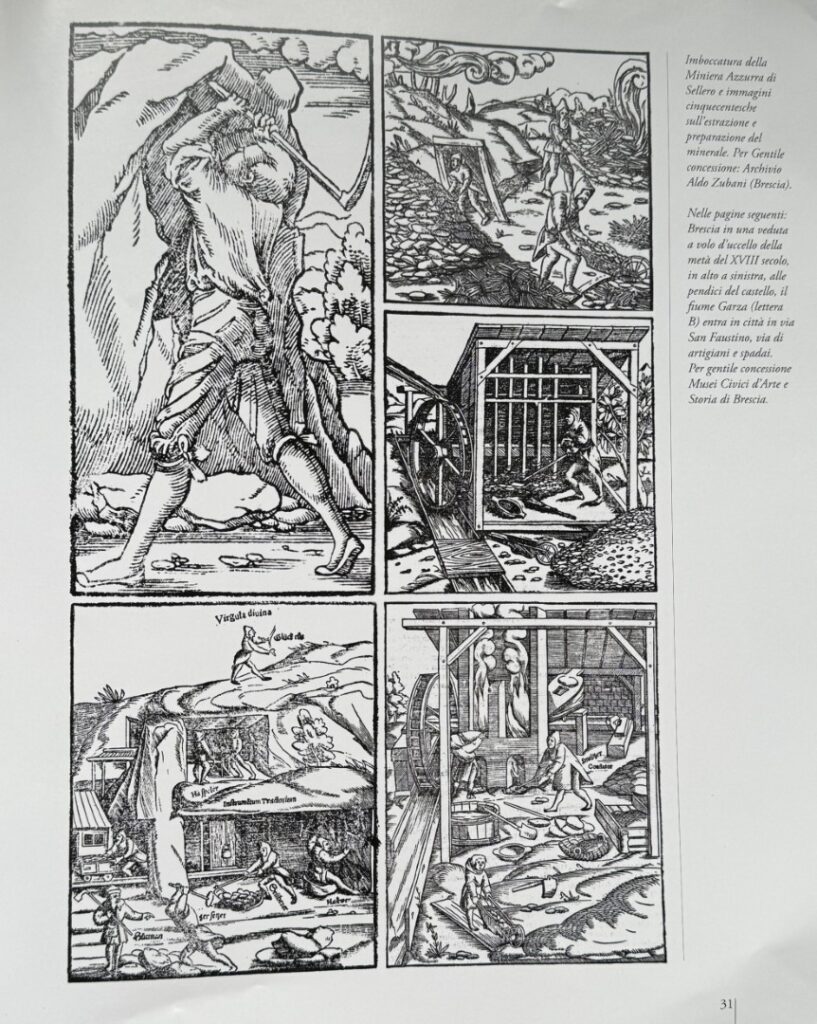
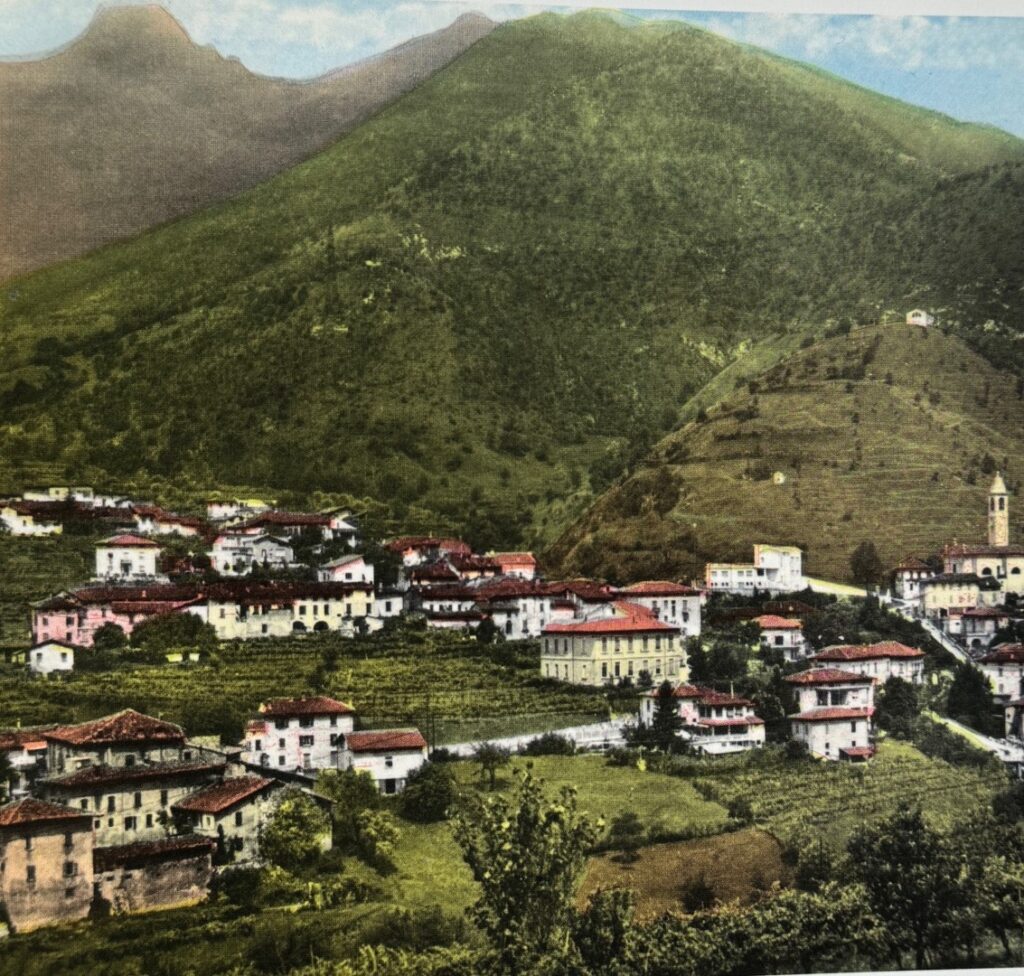
Introduction: It goes without saying that some of the finest rapiers of the Renaissance were made in Brescia, Italy. The Brescia sword-manufacturing industry was a bustling and vibrant place. It contained over 1,000 people actively involved across about 30 large shops, with about 200 workers and craftsmen working in smaller shops throughout the city. The blades for these treasures were imported from Caino (nine miles from Brescia, with 900 inhabitants). It’s estimated that there were over 500 master craftsmen and apprentices in the blade manufacturing industry in this small city of Caino, dedicated to excellence in the field of blade making. To this day, the mark of CAINO on a blade is highly sought after and very respected for its excellence.
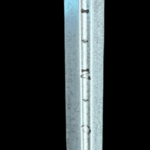
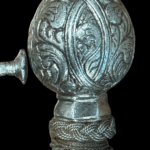
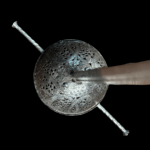
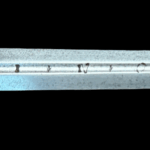
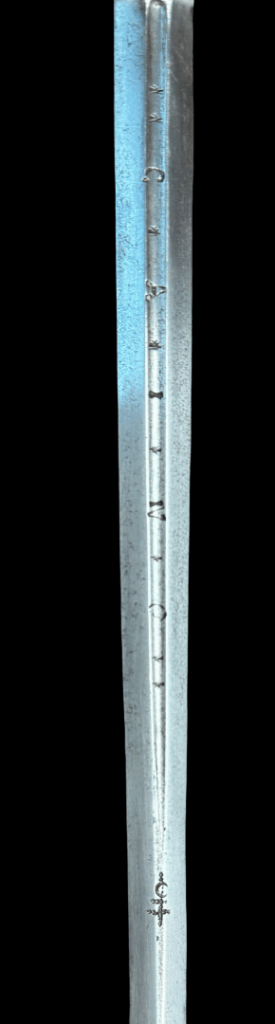
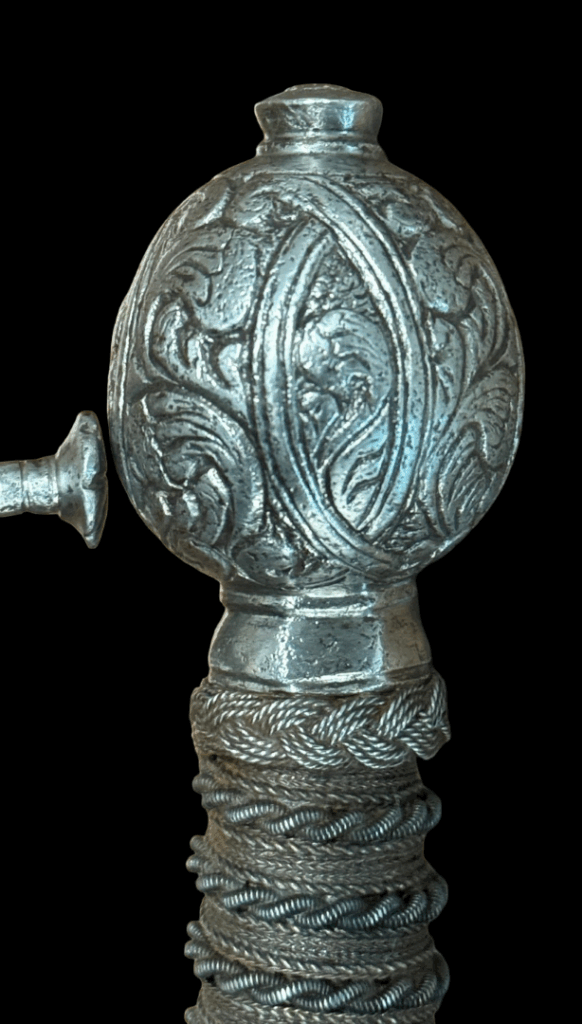
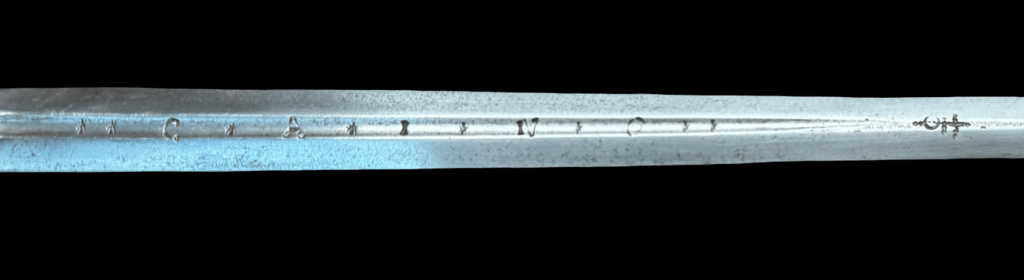
Description: Under the Norman typology, this sword is classified as a hilt 101 and a pommel 88. The cup is decorated with pierced designs of vines and flowers, featuring continuous relief scrolling acanthus leaves. It features an original grip and a fast-tapering blade with short, deep fullers on both sides. Twisted quillons expanding at the tips, knuckle guard en suite. Decorated on the fullers, the word “**C*A*I*N*O**” and a crucifix at the end of the tapering fuller. The cup and pommel are decorated en suite, the pommel with etched decoration, original embossed wire grip with Turks’ Heads.
Approximate Dimensions: Total length 47.50 inches. Blade 44.5 inches.
Discussion: In a day and age lacking appropriate policing, the private citizen was forced to protect himself from society‚ criminal dregs. From the middle of the 16th to the end of the 17th century, the weapon of choice was the rapier. The rapier is a simple but highly effective sword against the non-armored. The rapier was primarily a thrusting weapon that could inflict serious injury to an adversary‚ vital organs with minimal effort. It was also an exceptional slashing and cutting weapon; however, the slash was not as lethal as the thrust. The slash was used more as a feint to set up a finishing thrust. The slash was also a dire warning to a would-be assailant of the horrors to quickly follow if he chose not to acquiesce. The rapier is almost undeniably of Spanish origin and is probably Spain‚ most significant contribution to the Renaissance arms race. A highly expensive, ornate rapier was the equivalent of a person in our day and age making a fashion or opulence statement by wearing very expensive jewelry, such as a Rolex or Audemars Piguet watch. Because fencing is more of a thrusting art, it became commonplace throughout Europe to have as long a blade as possible to obtain an advantage. This extravagance in length reached the point that municipalities passed statutes regarding the allowable lengths of blades. Those in violation had the misfortune of having their rapier blades cropped at the tip at the city gate to comply. One example of these statues is from an English Royal Proclamation on March 17, 1557‚ 1558.
Provenance: From a private 80-year collection that started after WWII. Acquired from the 65-year-old granddaughter.
Conclusion: The last thing a swordsman wanted to hear was that his opponent was armed with a rapier with a Caino blade. Yes, the blades were that good. Due to the significance of the rapier in Renaissance Europe, all collections will be incomplete unless you have at least one, even if you are not a rapier aficionado. This rapier is an exquisite addition to any collection. You are getting a lot of sword and flash for the money. It’s priced to sell fast at under $5K!!!!*