2091 Antique Sword
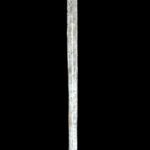
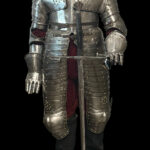
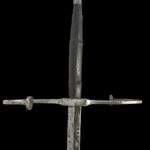
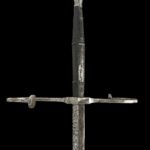
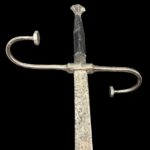
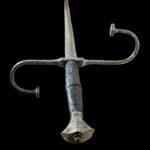
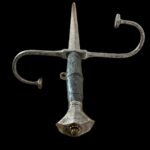
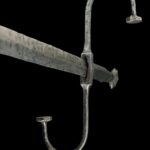
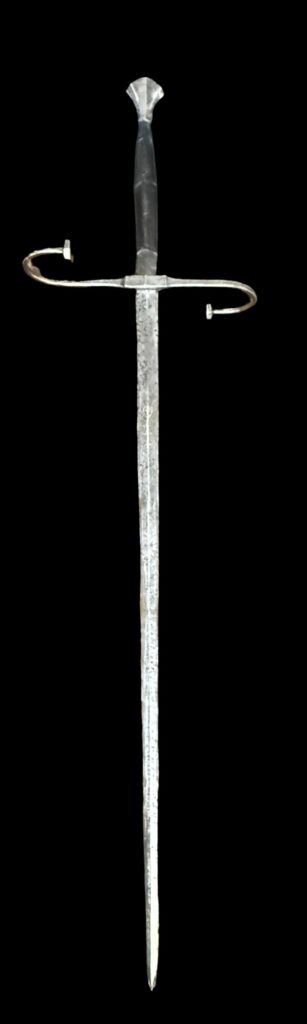
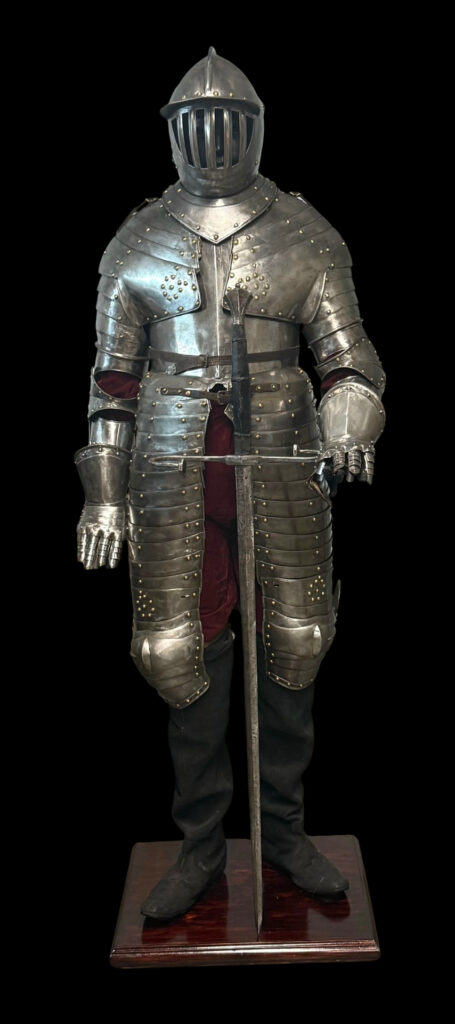
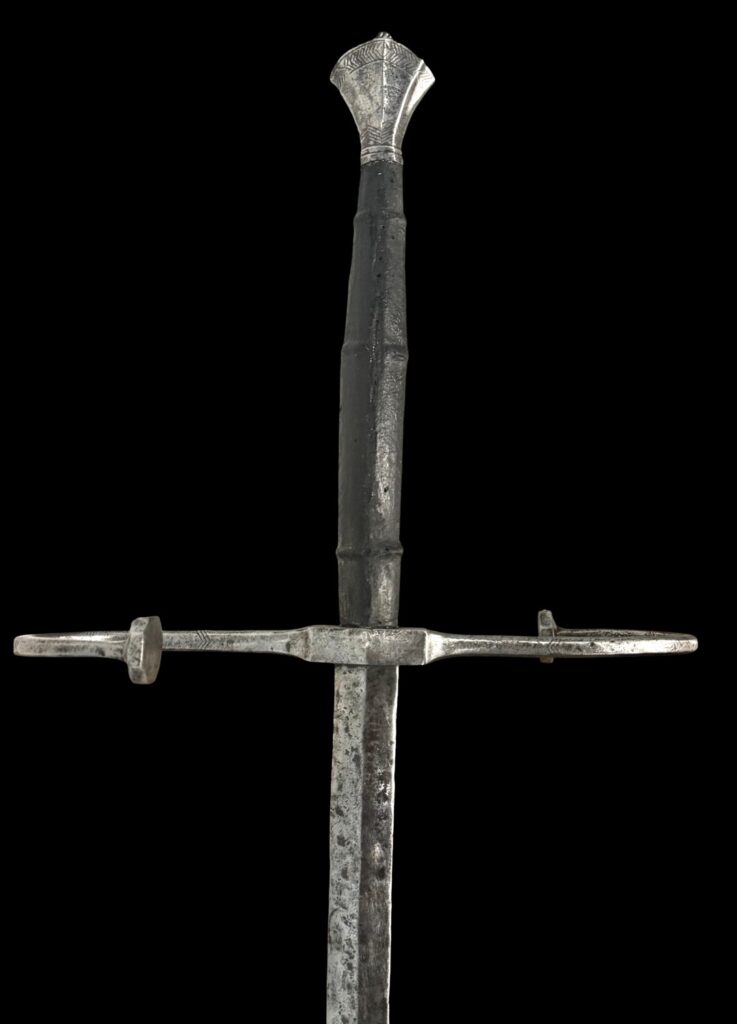
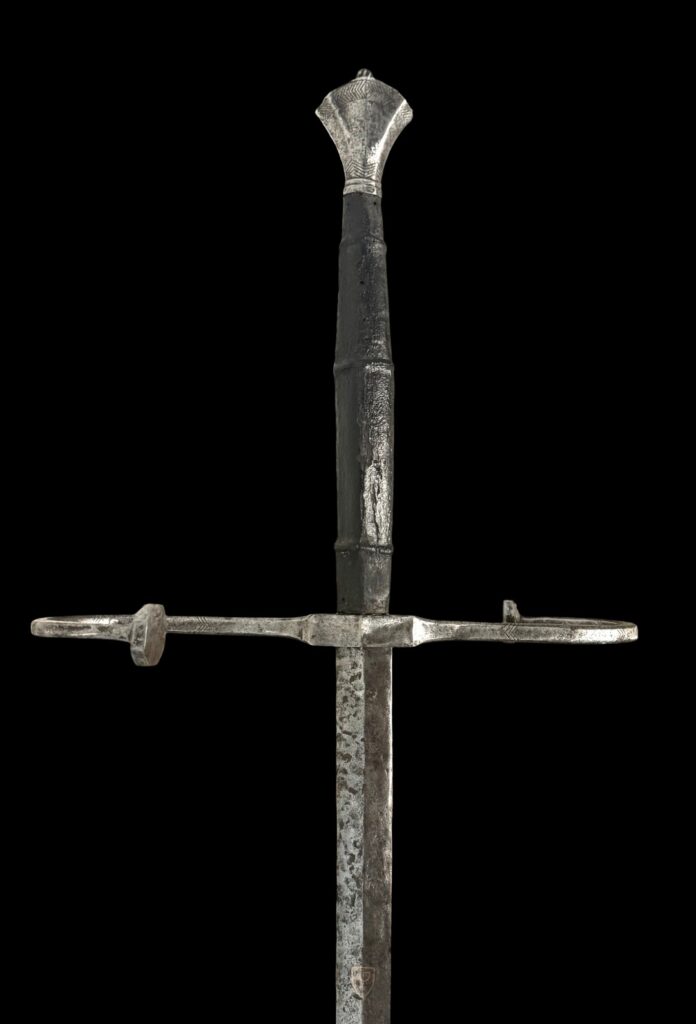
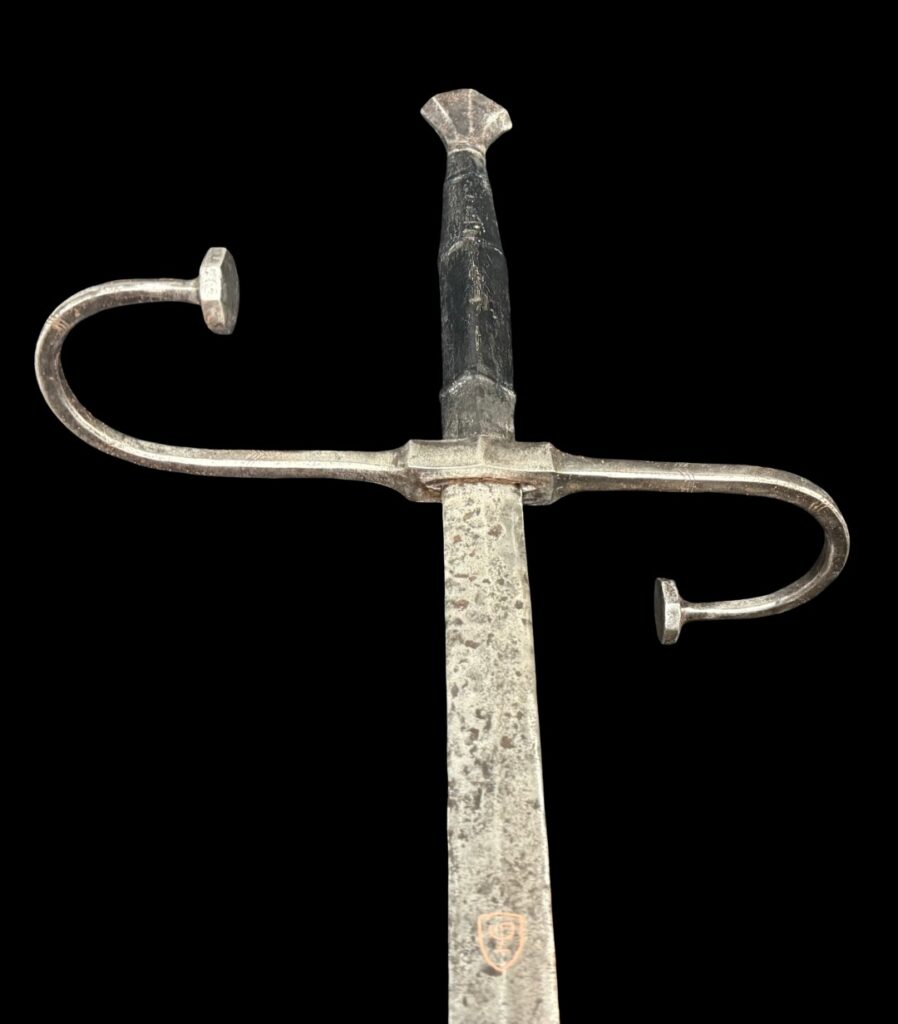
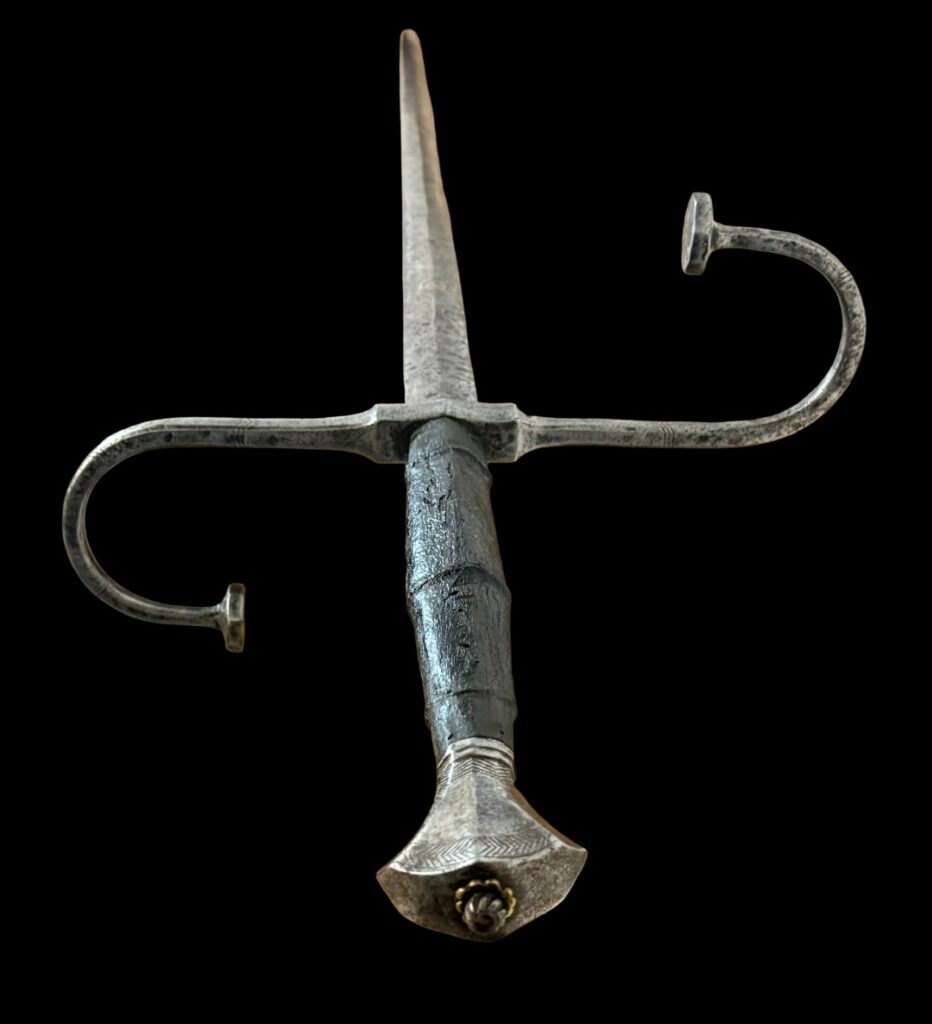
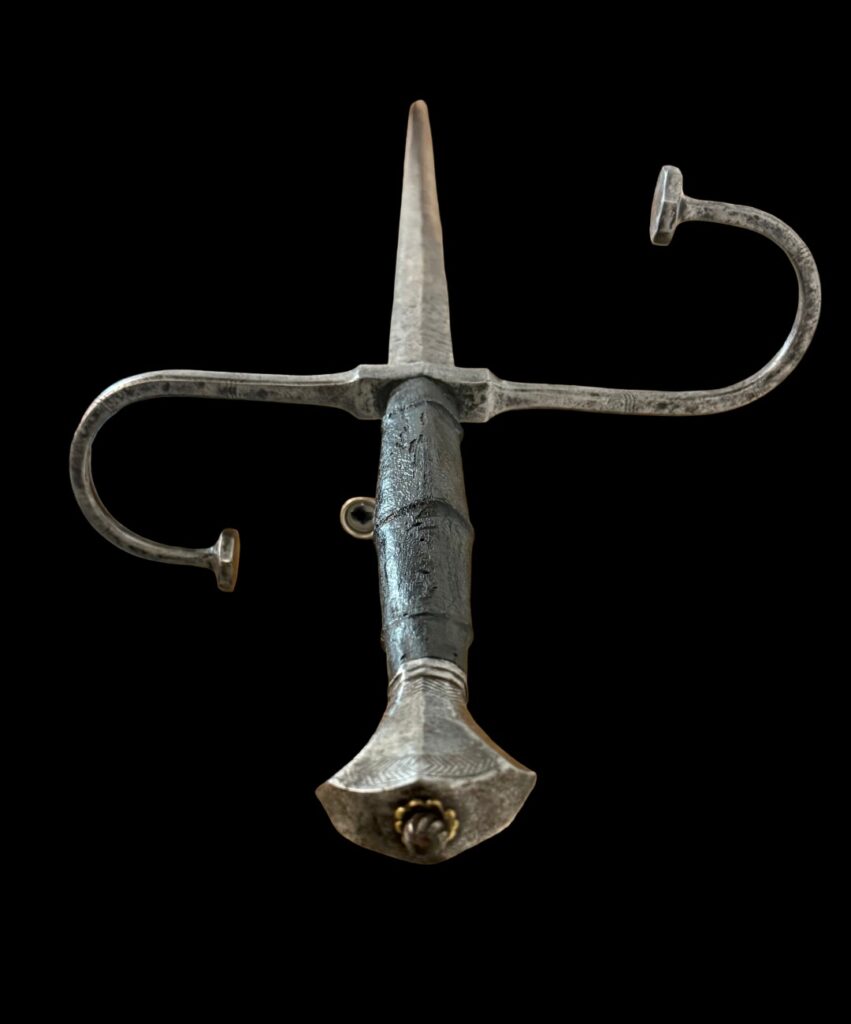
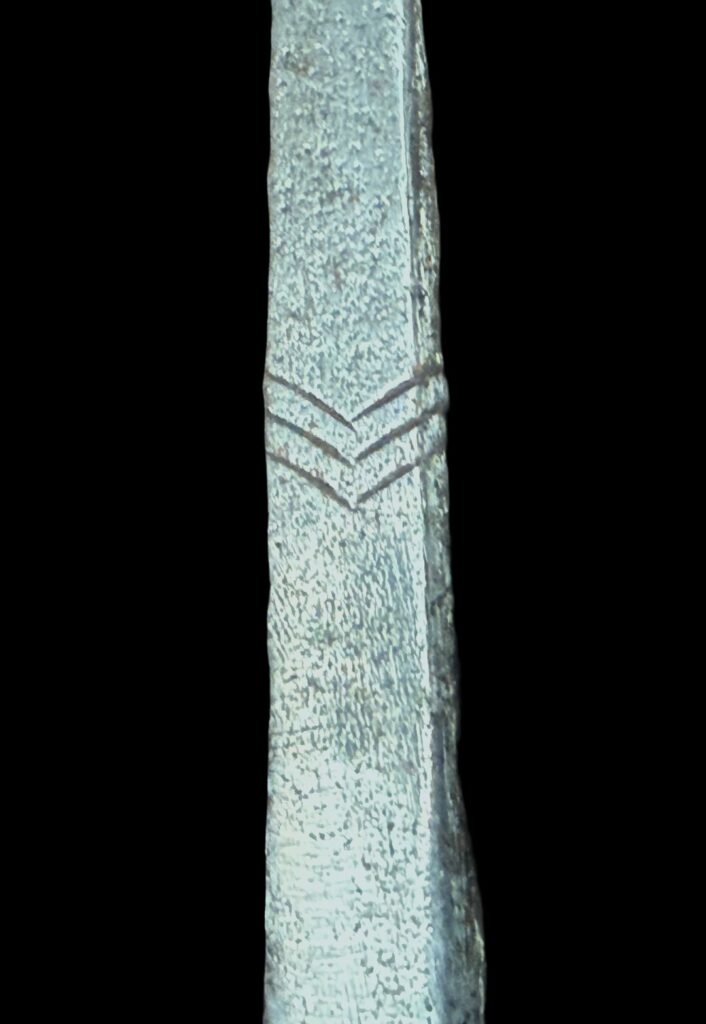
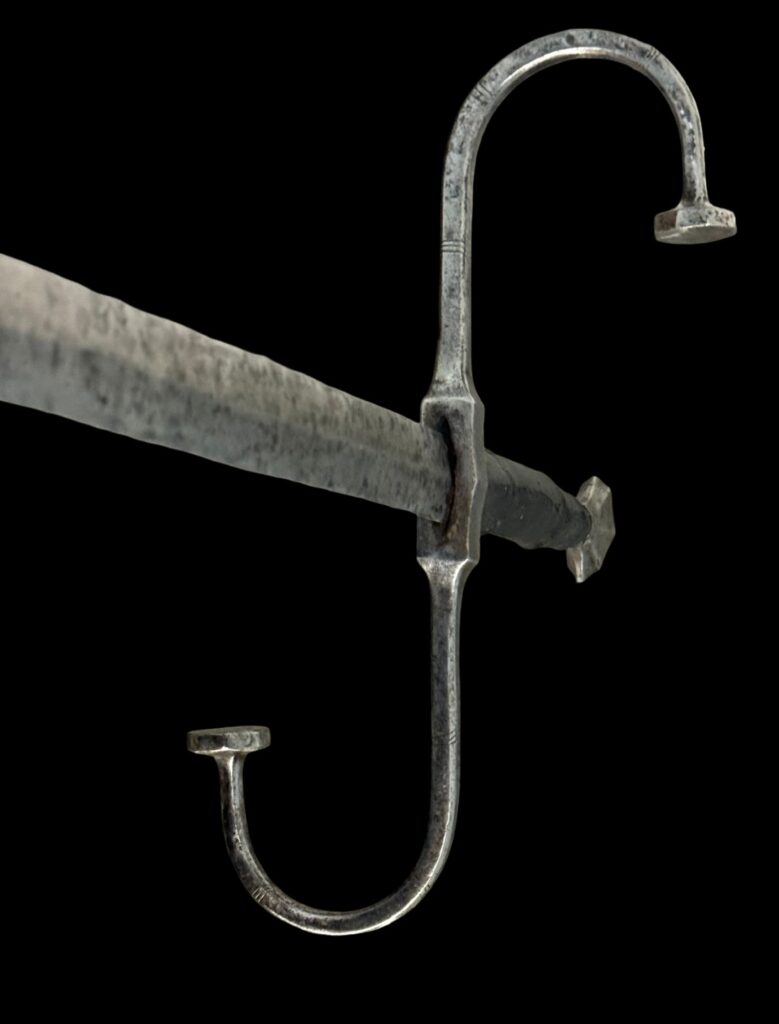
2091) RARE MASSIVE GERMAN KNIGHTS GOTHIC TWO-HAND SWORD 1480 to 1520: Exceptionally rare massive Gothic Knight’s fighting sword. Decorated, 100% original, even the grip!
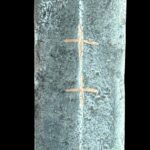
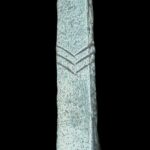
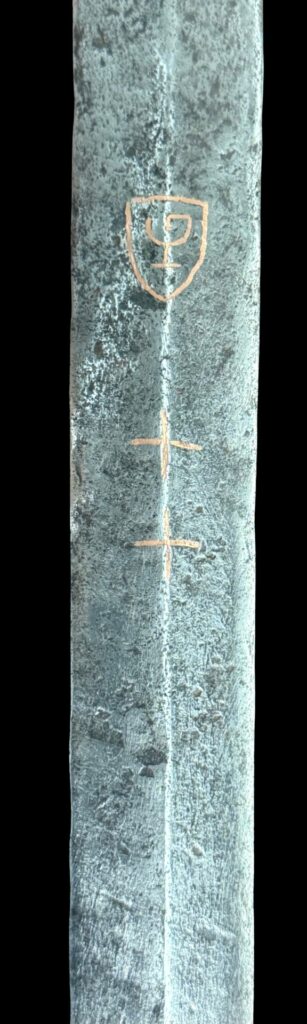
Description: Constructed with adiamond-section tapering, double-edged blade. Decorated with notching on a fishtail pommel, recurved guard decorated en suite with button tips and original leather grips. Decorated with inlaid alloy talismanic symbols.
Approximate length: 51.5 inches, blade: 39.25 inches; blade width at guard: 1.5 inches.
Comparable: The Collector’s Course On Medieval Arms and Armor,2021, Garcia, pages 295-296.
Provenance: A South German collection.
Many people incorrectly think two-hand war swords are heavy. The truth is they are not. A two-handed fighting sword typically weighs anywhere from five to seven pounds. Ceremonial/parade swords are much heavier because they are carried for display and for a short period of time. Fighting two-hand swords have a sleek design, which removes all unnecessary weight (i.e., fuller on the blade). They are balanced with a large pommel (counterweight) and are powered by the perfectly aligned muscles of the knights swinging them from years of training.
Coordinating body weight into the strike of a two hand sword is of paramount importance for maximum penetration, control, and impact. Most battles lasted hours. If swords were heavy and/or incorrectly balanced, it would be almost impossible for anyone to continue to swing their sword for that long a period of time.
A two-hand sword, by definition, is a sword designed to be used with two hands for maximum effectiveness. Styles of swords can vary by nationality (See page 279 in my book). Two-hand swords were widespread both in the field and in the lists from the mid-15th to the early 17th century. However, from the latter part of the 16th century, they increasingly tended to be employed in ceremonial and parade roles. Two-hand swords did not develop until about the same period as plate armor.
As furnaces grew larger in Medieval Europe, steel billets (solid blocks of steel) also increased in size accordingly. With bigger billets, swords could now be made with fewer (but larger) homogeneous steel billets, eventually reaching the peak of one billet per sword. Larger furnaces generally meant higher temperatures, which, combined with homogeneous billets, would result in better steel, steel strong enough to create bigger, stronger blades.
It has been suggested that the earliest references to the use of the two-hand sword are those found in a French copy of the Romance of Alexander of about 1180, which mentions a “bone espée a II espieus molus,” and in the chronicle of Guillaume Guiart, written in the period 1304-1307, which notes that the French, when fighting the Germans in 1264, had to adjust their tactics “Car les deux mains en haute levées/ Giètent d’unes longues espées.” More certain evidence of the use of the two-hand sword is provided by Jean Froissart (1337–1410), who, when writing his chronicles of the year 1358, noted that the Canon de Robesart “tenoit une espée a II mains, dont il donnoit les horions si grands que nul les osoit attendre,” while Bertrand du Guesclin (circa 1320- 1380) recorded in his chronicle that Oliver de Manny carried “d’une espée a II mains” (J. Hewitt, Ancient Armour and Weapons, Vol. II, London, 1855, p. 256).
Conclusion: This war sword masterpiece is in superb, 100% original condition. Collectors love two-hand fighting swords like this one; they are rare… big… elegant…. easy to display, and … make a powerful statement. They also possess a certain mystique. This sword is as beautiful as any processional sword; however, it was conceived as a weapon of war for a high-ranking Gothic knight. It’s a great addition to any major collection or museum.