2024 Hammer
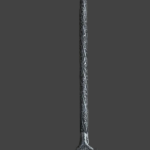
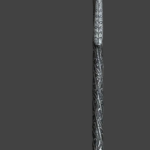
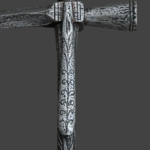
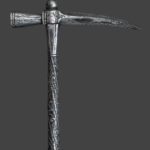
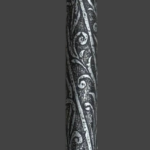
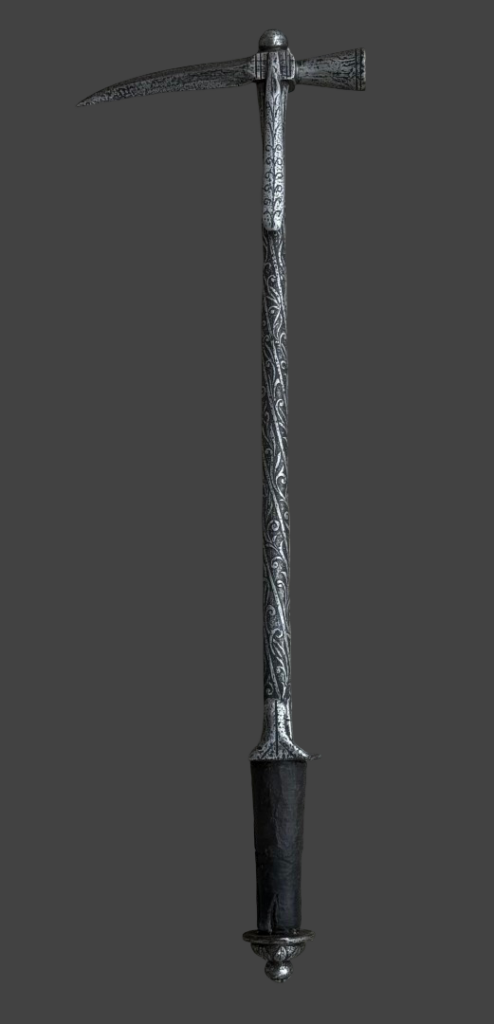
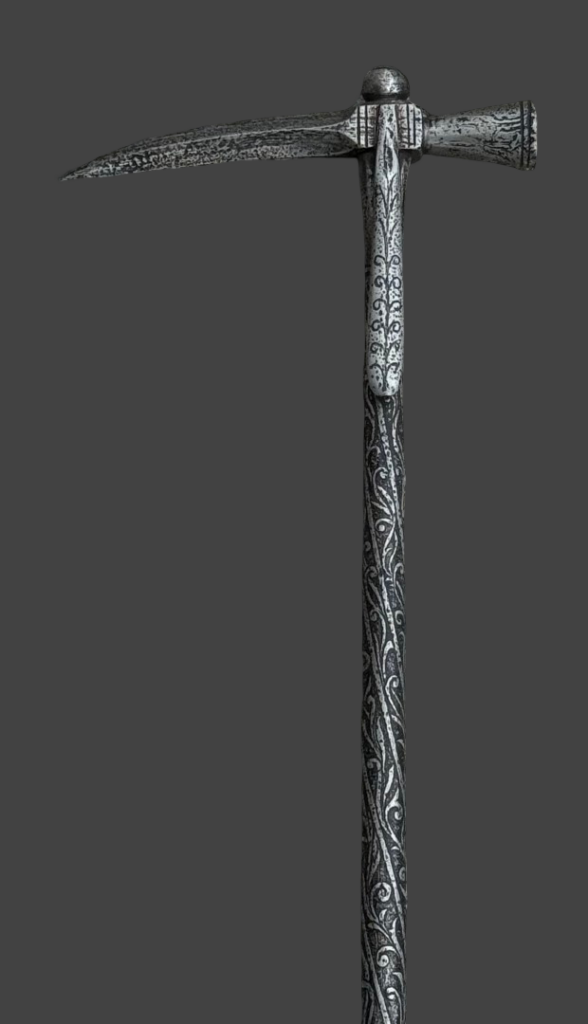
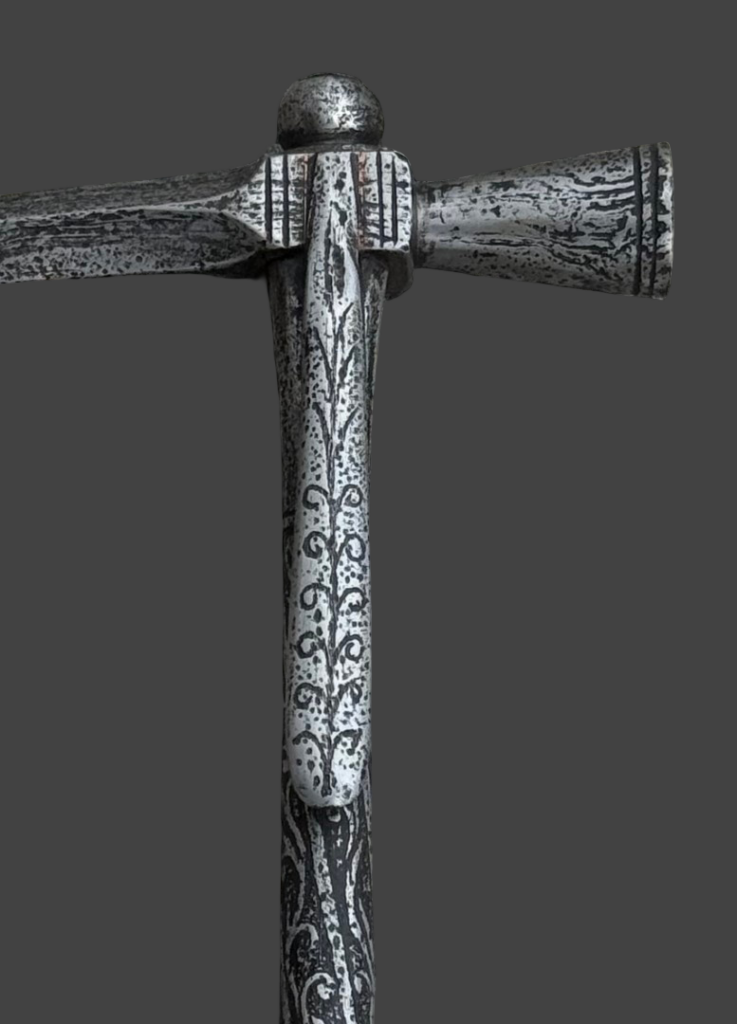
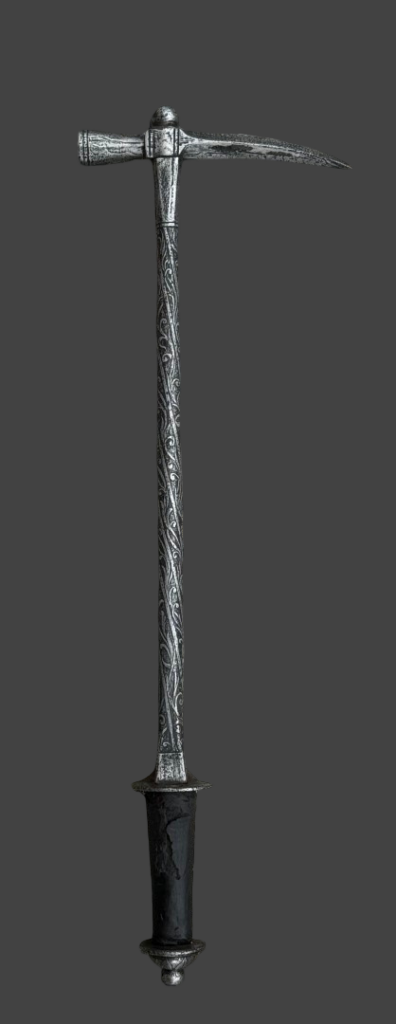
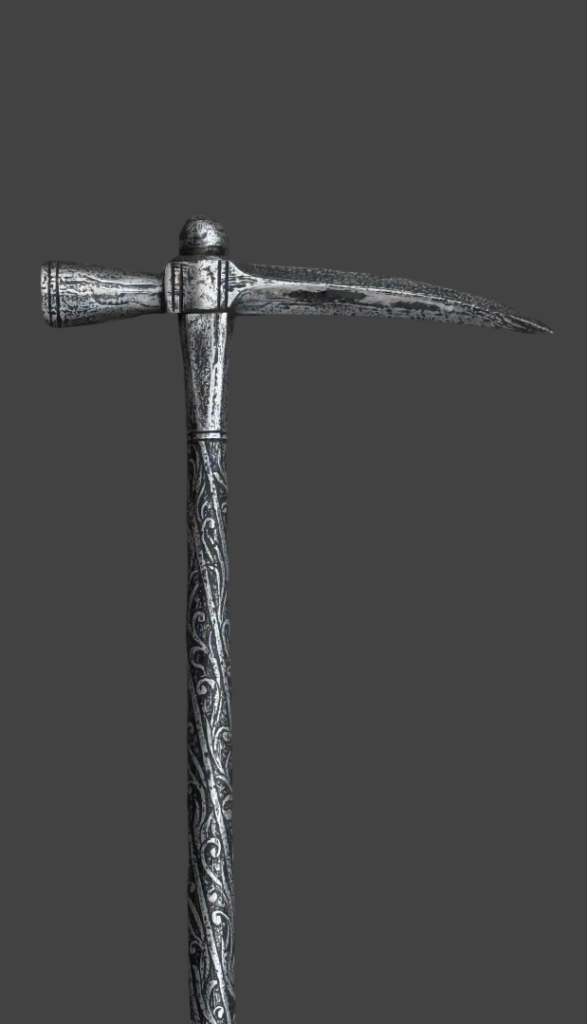
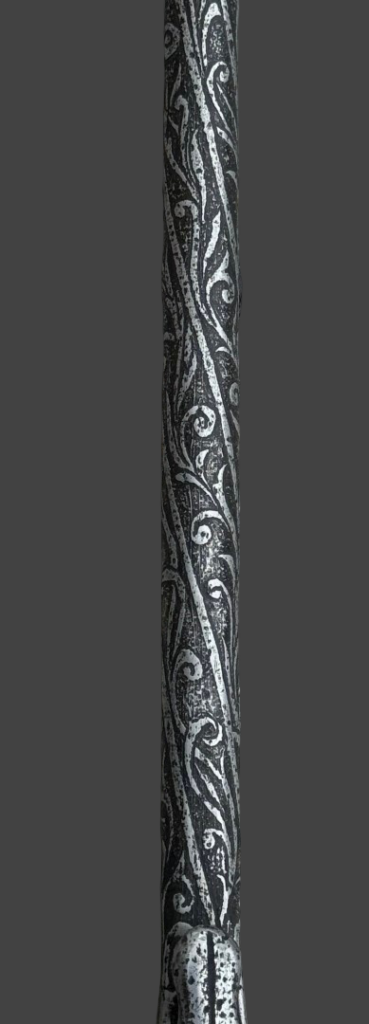
2024) A HIGHLY DECORATED ETCHED GERMAN WAR HAMMER, CIRCA 1590:
Introduction: This typology of horseman’s hammer was the most popular from 1550 to 1600 in Western Europe. What sets this one apart is the exceptional decoration. Undoubtedly, the original owner of this war hammer was both wealthy and devout.
Description: Constructed with
The war hammer consisted of a handle (usually made of wood, more accurately called a haft) and a heavy metal head. Not all hammer hafts were made of wood. This variant of the horseman’s hammer is made of all metal; it was used for smashing armor, but with its longer fluke, also for dismounting a knight from his horse.
The length of a hammer’s fluke is a reasonably good indicator of a Western European hammer’s age. The war hammer typically included a hammerhead and a curved fluke on the opposite side. Many war hammers were topped with a spike. In addition, the war hammer could be used against mounted cavalry by injuring the horses and/or, as previously mentioned, dismounting the riders with the fluke. War hammers were also used in many types of polearms, including the Lucerne Hammer and Bec de Corbin. Hammers were also used in tournaments. By the 16th century, steel had become the standard material for short war hammers.
Conclusion: An exceptionallyelegant typology of war hammer that would look outstanding in any collection. This is not only a Renaissance instrument of war and destruction but also a Renaissance work of art. Highly ornate hammers, such as this one, are seldom available in the collectors’ market. If you’ve ever wanted one, now is the time to act!!!*
Contact me for the absolute lowest price. ACT NOW, don’t delay.
All my items come with the following:
–Free shipping.
–10-day review period.
–Certificate of Authenticity.
– Free autographed copy of my book if you do not have one.
– In the event of an international shipment, we will help assign the lowest correct Customs tariff so you pay the least as little as 5% or even nothing.
I believe you will be very pleased. ACT-NOW!!!*
antique armor, medieval armor, antique sword, antique swords, Viking swords, sword, swords, medieval antiques, suit of armor, Viking, antique rapier, rapier, Maximilian armor, Maximilian, halberd, antique halberd, shield, rapier, etched rapier, Saxon, etched helmet, antique shield, shield, antique sword, medieval sword, antique breastplate, armor, antique armour