1960 Antique Sword
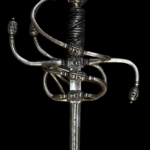
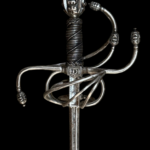
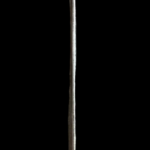
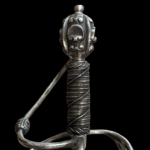
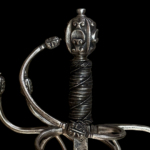
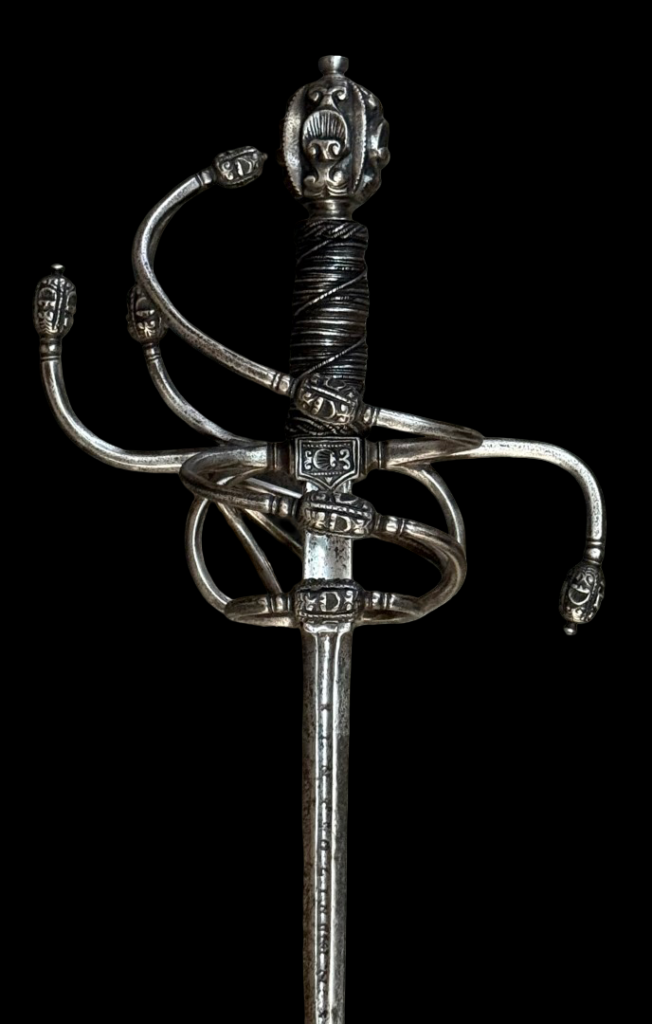
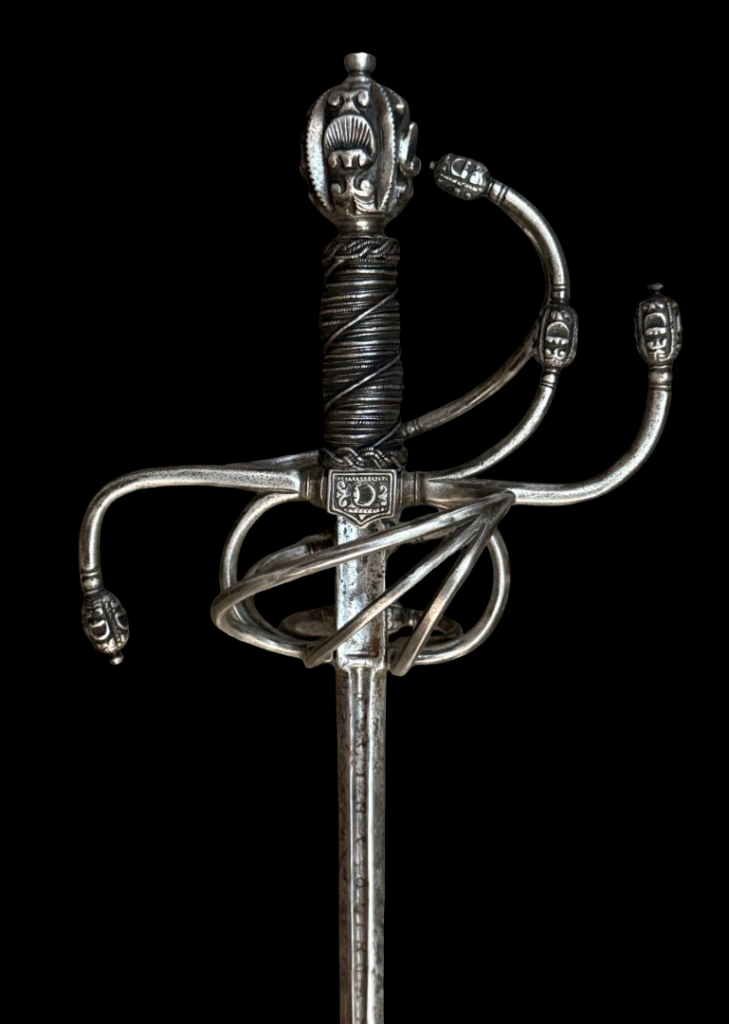
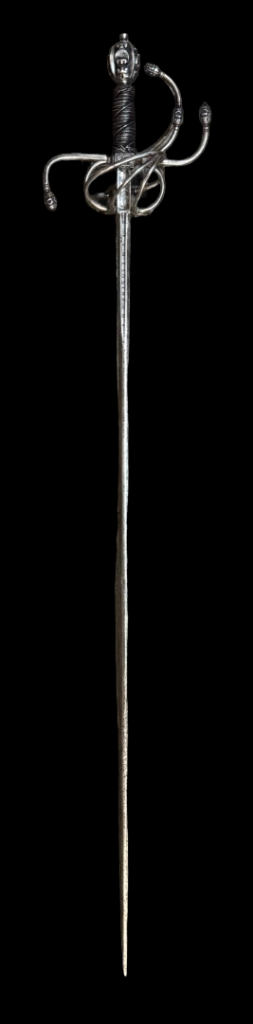
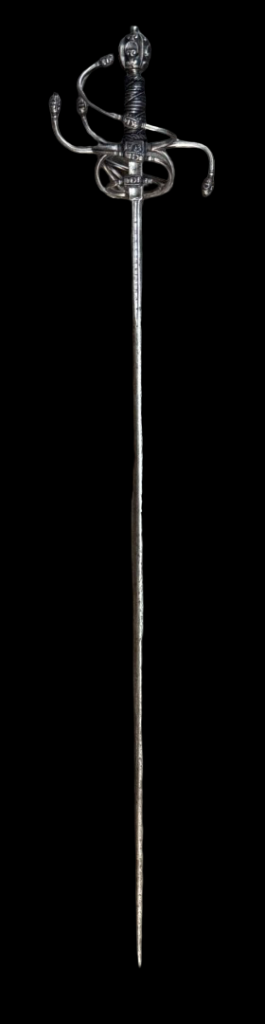
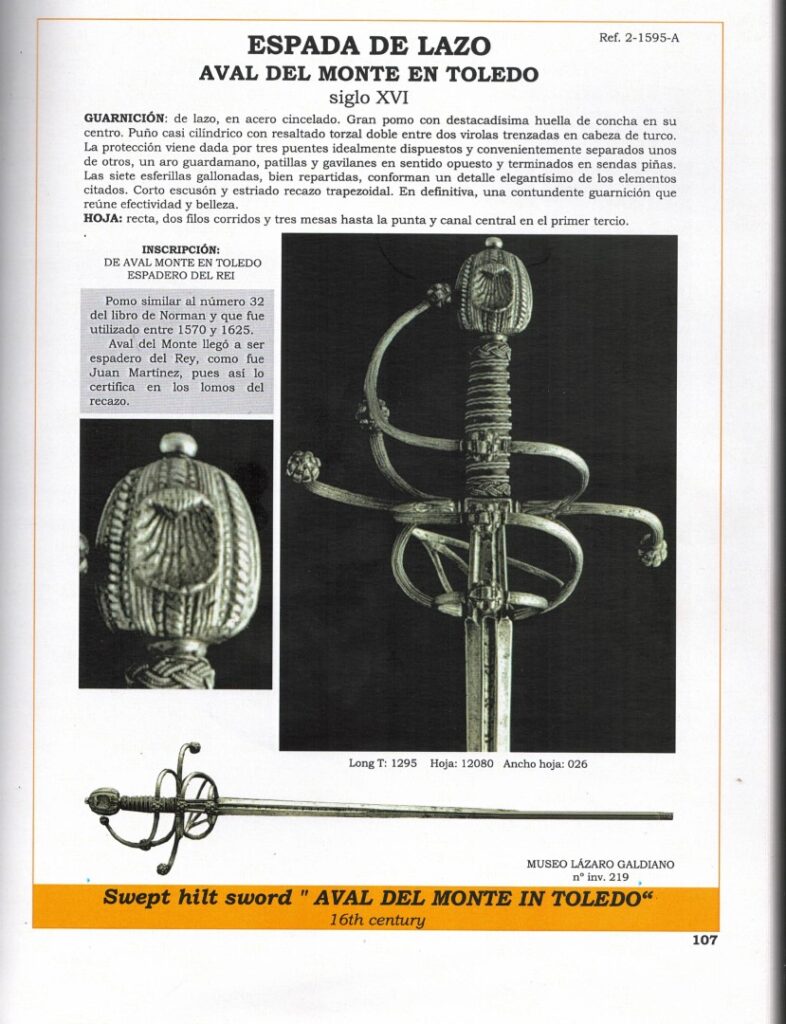
1960) HIGHLY CHISELED SPANISH RAPIER BY SWORDMAKER TO THE KING MASTER AVAL DEL MONTE CIRCA 1580:
Introduction: This exceptional rapier was made in Toledo, Spain, home to some of the most exceptional rapiers ever made. The rapier is almost undeniably of Spanish origin and is probably Spain’s‚ most significant contribution to the Renaissance arms race. Rapiers from Toledo are legendary and highly sought by collectors. Under the Norman typology, this rapier is classified as a hilt 63 , which was used for a short period of time from 1615 to 1635.
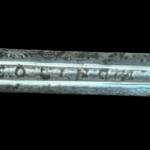
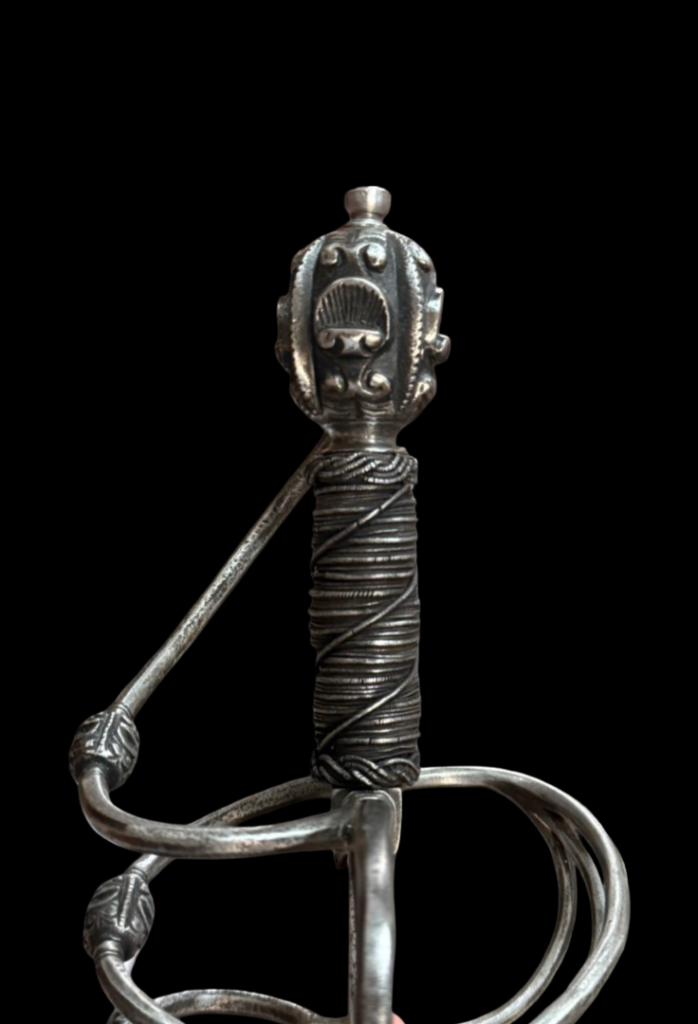
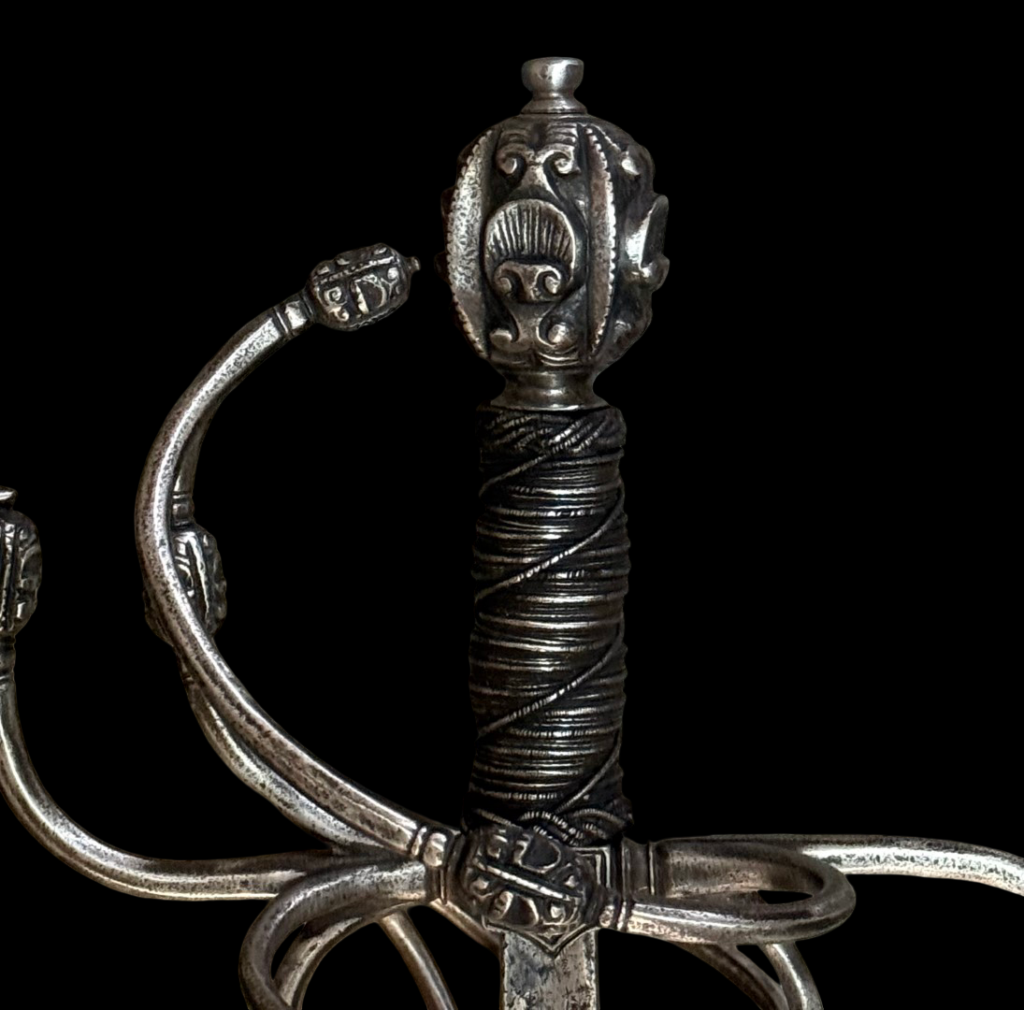
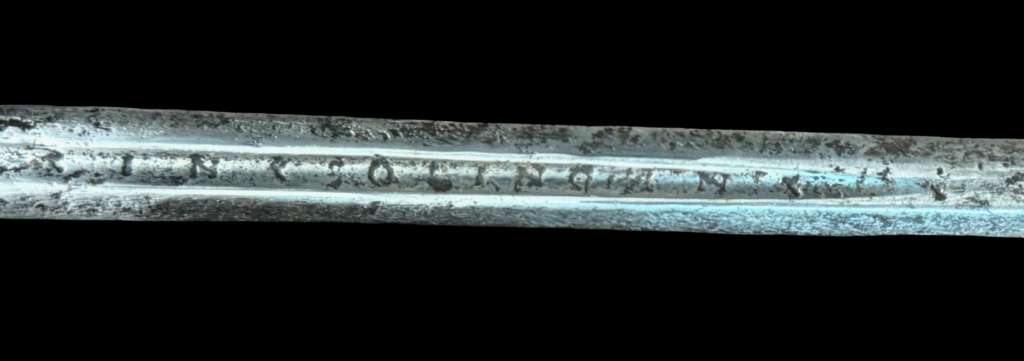
Ával del Monte — Swordmaker to the king (Espadero al Rey): Ával del Monte was a swordsmith who worked in Toledo, Spain, during the 16th century. His signature appears in inventories and catalogs of historical pieces. One of the most frequently cited works attributed to this craftsman is the “Lazo Sword, Aval del Monte in Toledo,” dating to the 16th century. This sword is considered a prime example of the high-quality blacksmithing of Toledo during that period. The title of “swordsmith to the King” suggests that the Spanish Crown recognized Ával del Monte and probably worked for high-ranking clients or to supply quality weapons to the royal service in the late 16th century. His name appears in historical catalogs of Spanish swords as part of the legacy of the great master blacksmiths of Toledo.Description: Under the Norman typology, the rapier under discussion would be a Hilt 62 with a pommel 29. With swelling at the tips of the reverse quillons, rectangular recasso, wooden grip wrapped in original wire, with two Turks’ Heads, a long blade of diamond section tapers evenly towards the tip, a short fuller with an inscription “IN SOLIGEN” which identifies the blade as having been imported from Germany. The chevron-shaped quillon block is decorated with deep chiseling en suite with the hilt.
Condition: This sword is in very good condition and can be proudly displayed in any collection.
Comparables:
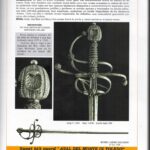
– Museo Lázaro Galdiano inv. # 219. See pictured above.
-Victoria and Albert Museum Reg. # 2227-1855.
– Musée de l’Armée, Paris, Cat # J206.
-Museo Stibbert, Florence Cat # 2028.
Conclusion: Even if you are not a rapier aficionado, all early arms and armor collections should have at least one example of a rapier. Military rapiers have a strong attraction for collectors. This is a historic rapier made by Ával del Monte — Swordmaker to the king (Espadero al Rey), need I say more! ACT NOW swords like this seldom last in the collectors market!
All my items come with the following:
–Free shipping.–10-day review period.–Certificate of Authenticity.–Autographed copy of my book.–In the event of an international shipment, we will help assign the lowest correct Customs tariff so you pay the least.This is a great example of a very good rapier at a very reasonable price. ACT-NOW, so you will not be disappointed. They seldom come this nice and at this price!!!*