1943 Antique Flintlock
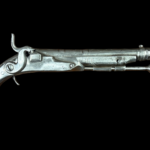
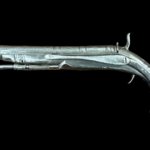
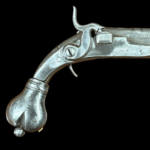
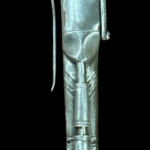
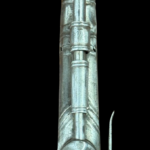
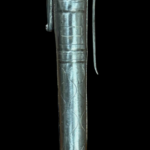
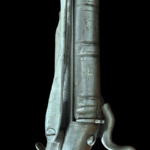
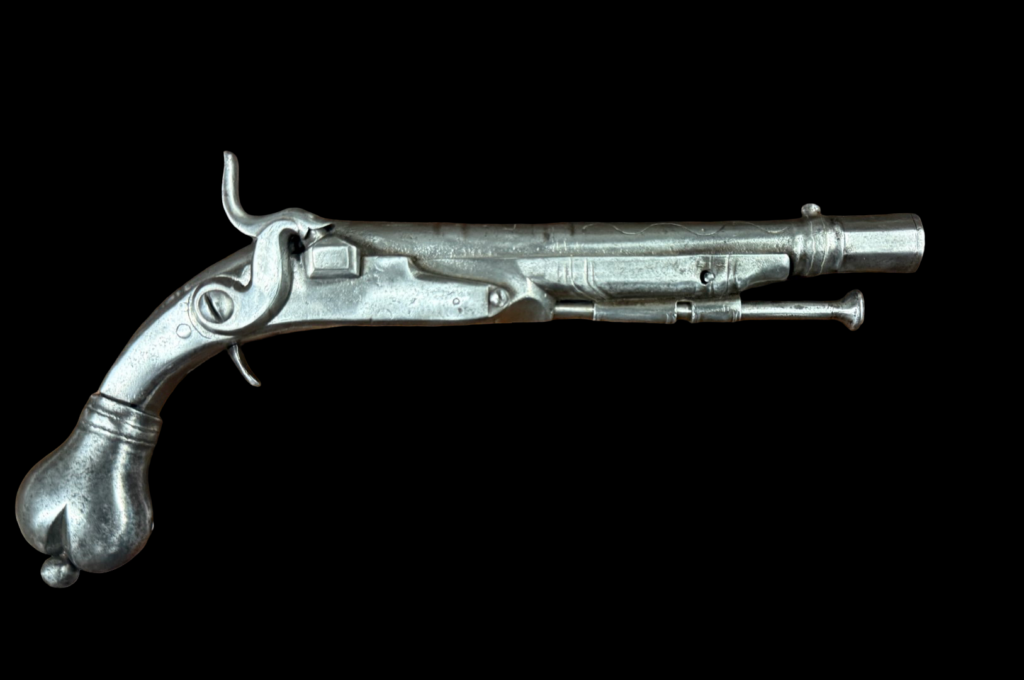
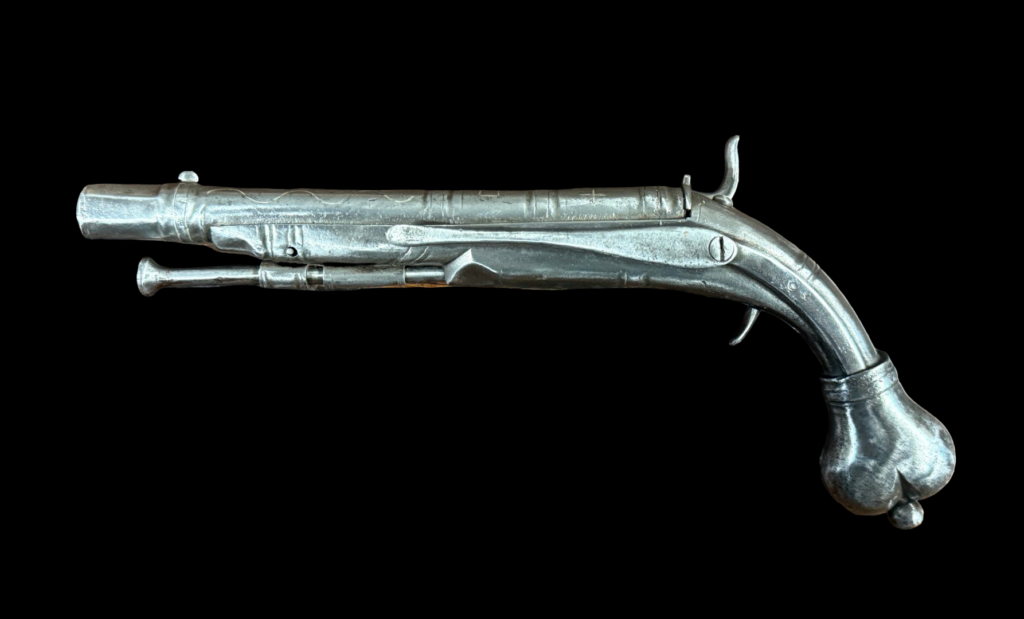
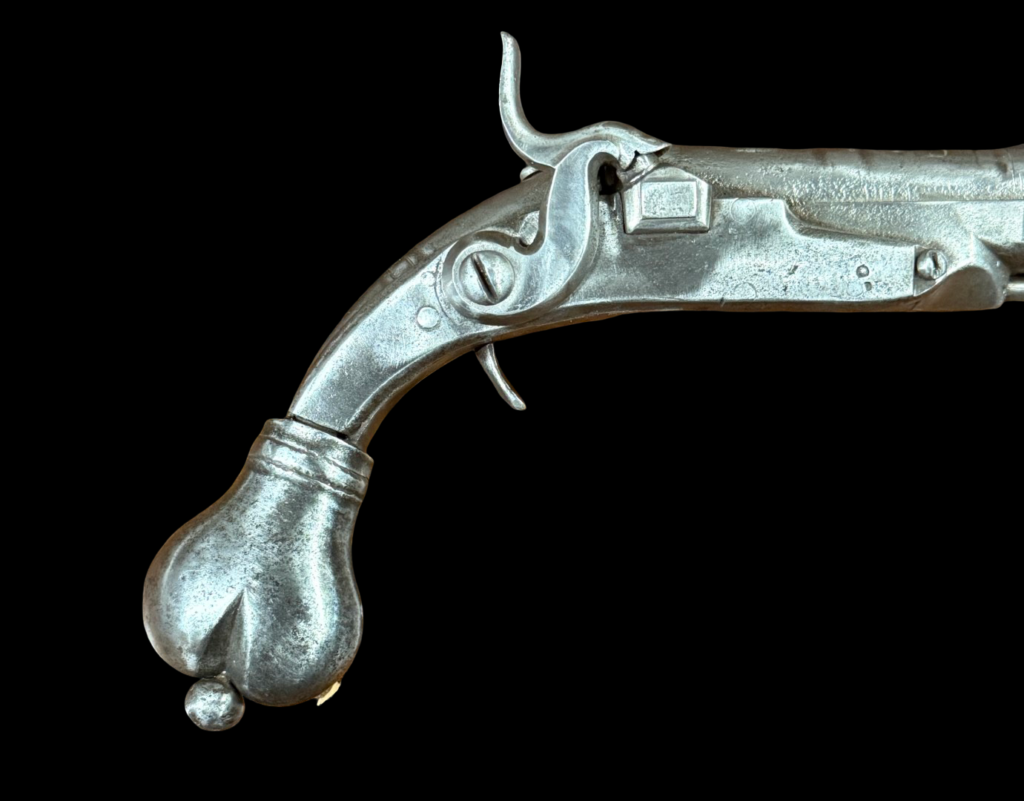
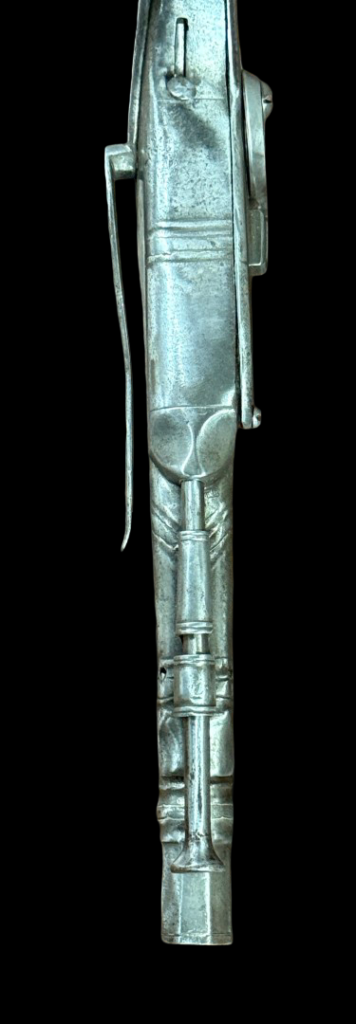
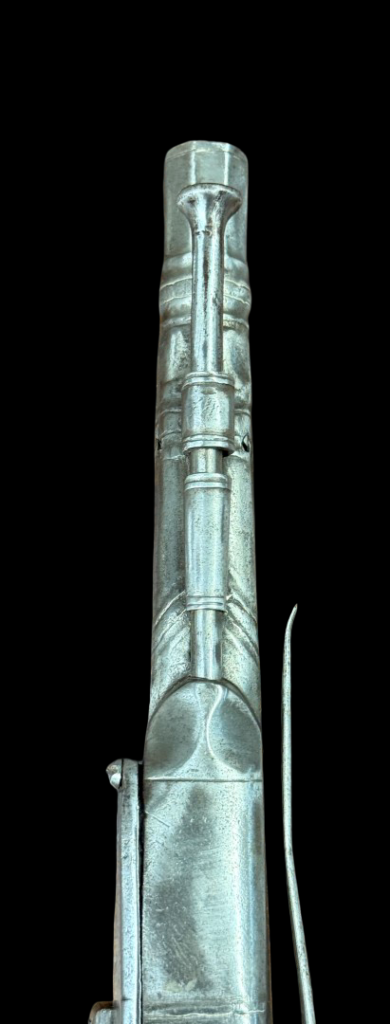
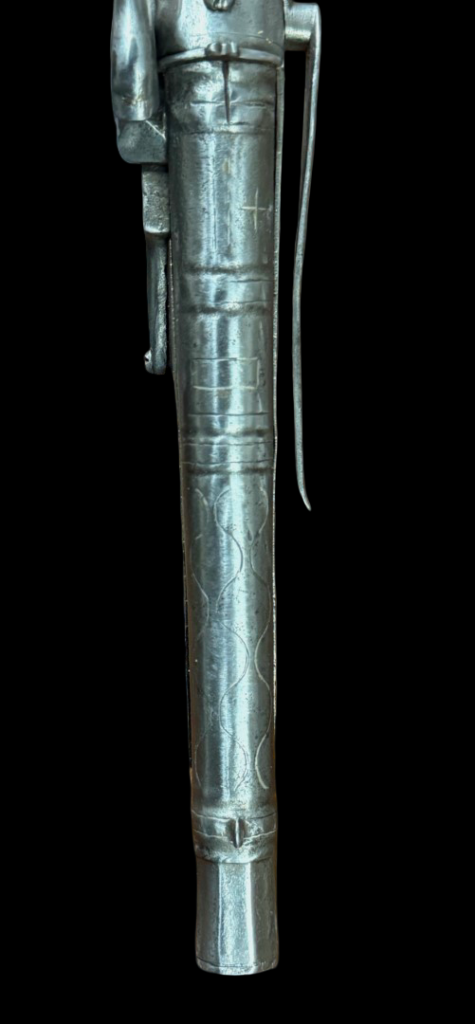
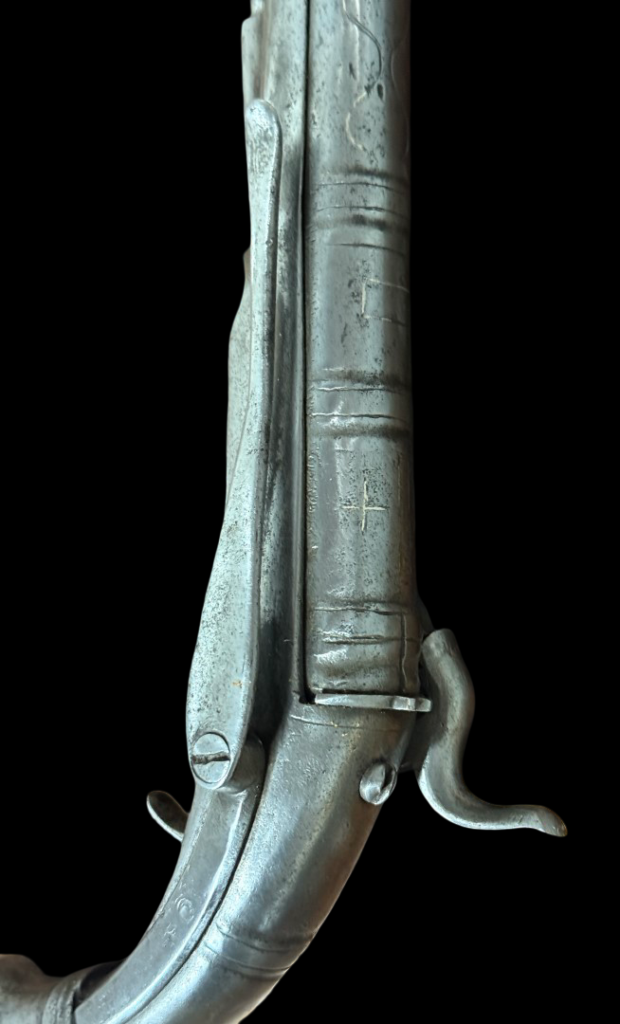
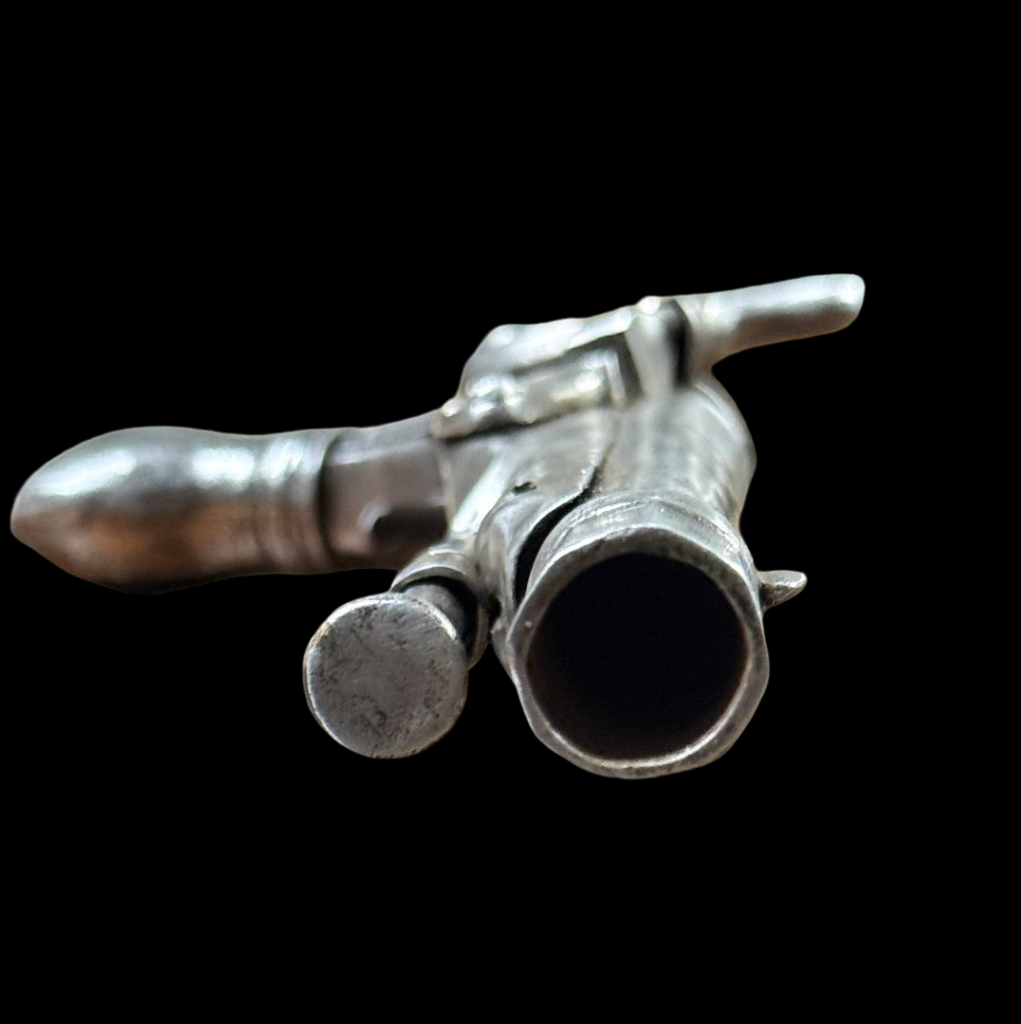
1943) A VERY RARE SCOTTISH FLINTLOCK BELT PISTOL FORMED ENTIRELY OF STEEL, CIRCA 1680. MODIFIED DURING ITS WORKING LIFE TO PERCUSSION:
Introduction: I love working life modifications on Arms and Armor. Items that have working life modifications are items or components on an Arms and Armor item that have been fixed, changed, or modified during the time it was used in warfare, combat, guard duty, or any other originally intended purpose (see page 119 in my book) to improve it because of new technologies or changes in warfare. Collectors tend to love working-life modified pieces because they have an additional story, a double life that stimulates the imagination and adds to the item’s mystique and provenance.
Discussion: The primary advantages of the percussion cap system over the flintlock are its superior reliability in all weather conditions, faster ignition time (lock time), and a simpler, more reliable mechanism.
- Reliability in Weather: The percussion cap is a sealed, self-contained ignition system (a small copper or brass cup placed tightly over a hollow nipple) that protects the fulminate compound and main powder charge from rain, humidity, and wind, unlike the exposed priming powder in a flintlock’s pan. Flintlocks had high failure rates in adverse weather, sometimes failing to fire by up to 50% in the rain.
- Faster Lock Time: The ignition in a percussion lock is nearly instantaneous, as the hammer strike directly detonates the cap, sending a high-pressure jet of flame through the nipple into the main charge. The flintlock process involves a noticeable delay as the flint strikes the steel frizzen to create sparks, which must then fall into the pan and ignite the priming powder before the main charge is lit, a process known as “flash in the pan”.
- Improved Accuracy: The smaller flash and faster lock time of the percussion system reduced the tendency for a shooter to “flinch” in anticipation of the flash and recoil (sometimes called the “flinchlock” effect), leading to more consistent aim and better accuracy.
- Simpler Mechanism/Ease of Use: Percussion locks have fewer moving parts (no frizzen, pan, or complex jaw mechanism for the flint). They are generally easier for a beginner to use and maintain, requiring less expertise than properly tuning and “knapping” a flint.
- Enhanced Safety: The contained nature of the ignition reduced the risk of a “flash in the pan” directed toward the shooter’s face or of stray sparks igniting nearby powder sources during the loading process.
These significant improvements led to the widespread adoption of the percussion system in the early to mid-19th century, with many older flintlock firearms being converted to the newer system.
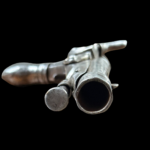
Description: Constructed with a multi-stage barrel, faceted flaring muzzle, the median overlaid with engraved panels (worn), a cross patee inlaid in copper or gold, the breech incorporating the back-sight, moulded steel full stock engraved with lines (rubbed), inlaid heart-shaped pommel fitted with spirally engraved pricker, slender steel belt hook with bracket of shaped outline, moulded ramrod-pipe, and steel ramrod. For a discussion of this distinctive form of pistol, see W. Reid 1963, pp. 26-30.
Condition: Good ,considering this pistol had 2 working lives.
Length: Approximately 11 inches.
Conclusion: This is a rare collectible that could augment any collection and invoke the phrase “If only it could speak, what stories would this pistol tell?” ACT-NOW: This is a highly collectible piece that should find a new home very quickly, given its rarity and low price!!!*
This is the only one I have had in 40 years, so now is the time to strike while the iron is hot.
All my items come with the following:
–Free shipping.
–10-day review period.
–Certificate of Authenticity.
–Autographed copy of my book.
–In the event of an international shipment, we will help assign the lowest correct Customs tariff so you pay the least.