1978 Antique Crossbow
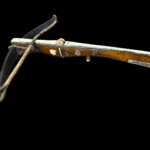
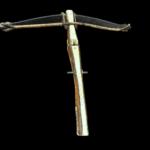
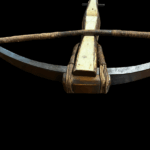
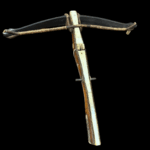
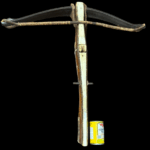

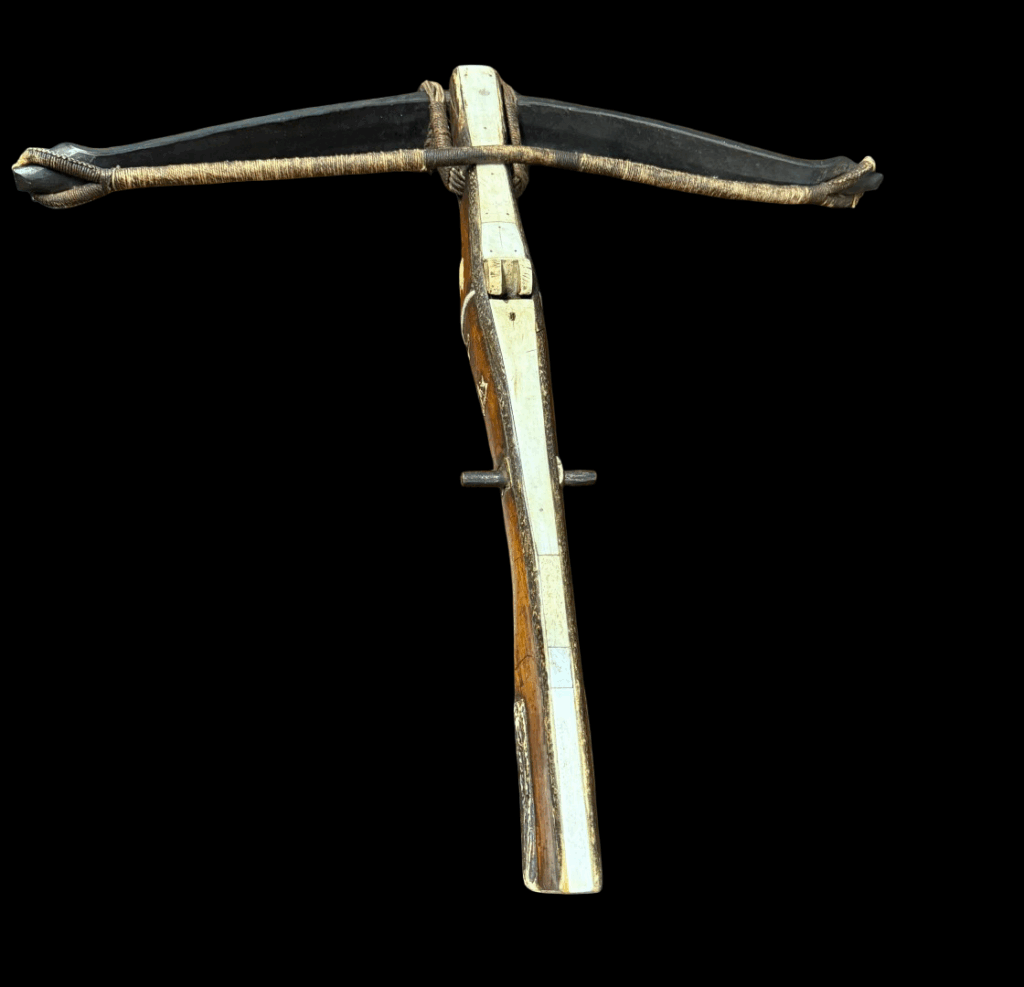



1978) MASSIVE DECORATED WALL GERMAN/SWISS
Introduction: Crossbows presented a significant problem to the armored knight. A well-placed bolt shot by the most inexperienced crossbowman could penetrate armor. A lifetime of knightly training with the most expensive implements of war could be trumped in a few seconds by a peasant with a newly acquired crossbow. The crossbow’s effectiveness did not go unnoticed. In 1139, the Second Lateran Council, under Pope Innocent II (d. 1143), issued a canon (decree) stating that the Church had outlawed the use of the crossbow and longbow among Christians. It could only be used against non-Christians.
However, the crossbow also served a secondary important function in Renaissance Europe…………the “high hunt”!
Discussion: The crossbow‚ silent discharge and many of the advantages mentioned above made the crossbow better for hunting than a firearm. The silence permitted hunting without scaring away animals, and the lack of a smell from flashing gunpowder meant the hunter‚ position was not given away. Crossbows for the hunt were much more elaborate and expensive, such as this one under discussion.
Only the wealthy typically went on a hunt. Just as topics and negotiations are discussed on the golf course today, the hunt in the Medieval and Renaissance periods played the same role. It was also a time to show off ‚ wealth and socialize among the rich. The wealthy hunted bear, boar, and deer in what was referred to as the ‚” high hunt.” Lesser animals, such as birds and rabbits, were hunted by the poor.
The hunt for the wealthy and noble was an elaborate affair planned with military precision and included many servants. Among the multitude of servants were beaters who made noise using implements to scare animals toward the hunters. The hunters would be camouflaged in natural terrain, using camouflaged carts, artificial hedges, or positioned atop trees, or any combination, as the animals were driven to them. Hunting was also done on horseback.
Steel bows started becoming popular after 1500. The advantages of a steel bow over a composite were:
(1) It was faster to produce.
(2) It was less expensive to produce.
(3) It held up better to moisture.
(4) Required less maintenance.
(5) More powerful pull. The disadvantage was greater weight.
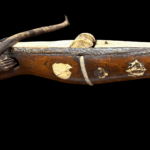
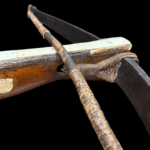
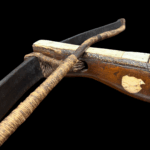
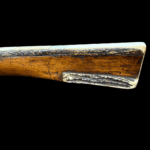
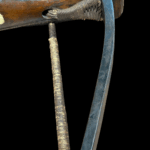
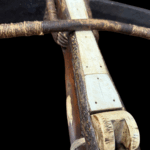
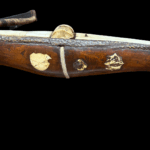
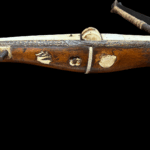
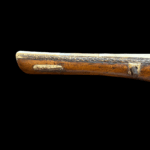
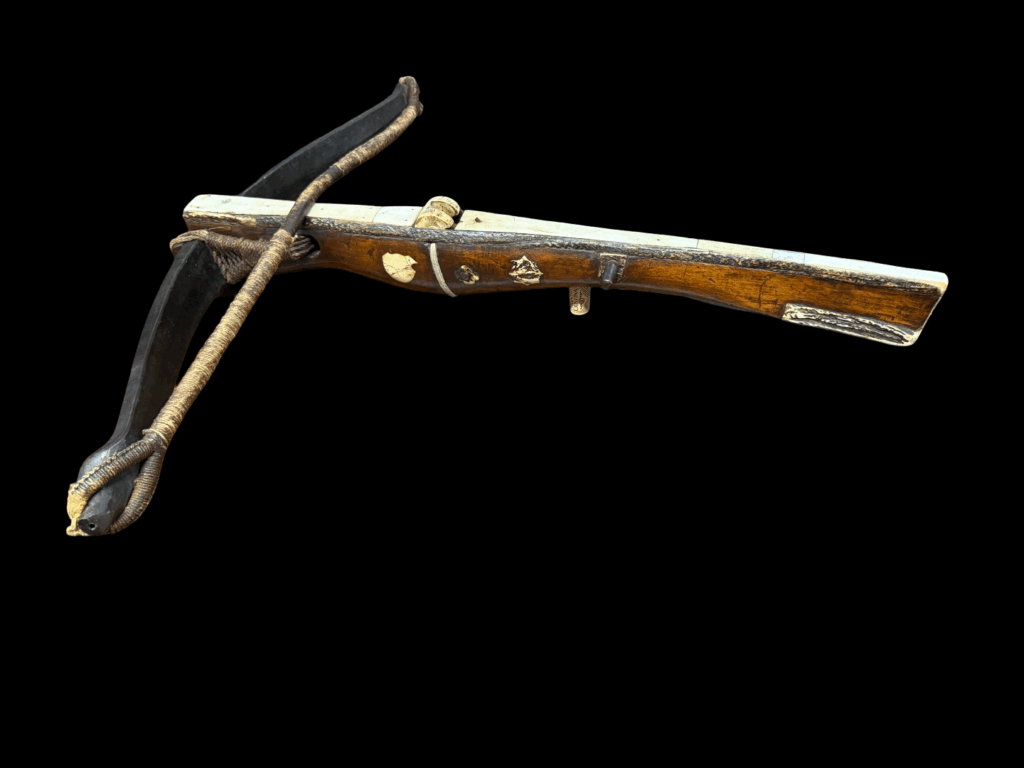
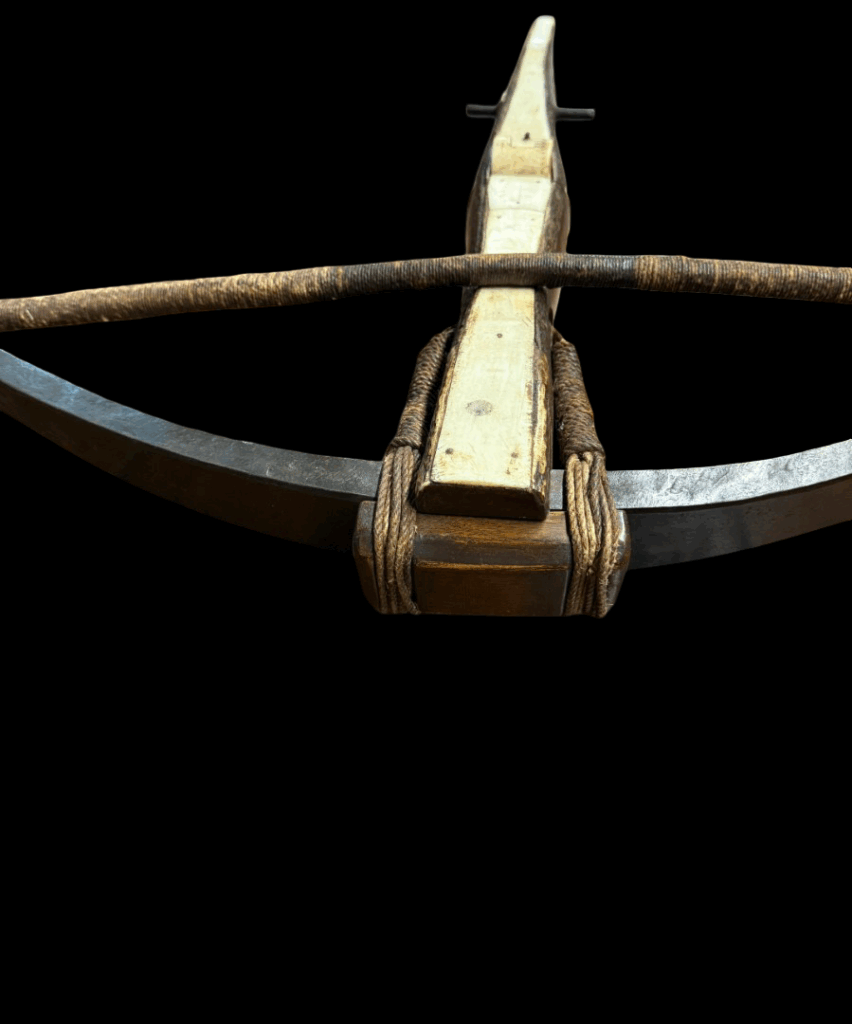
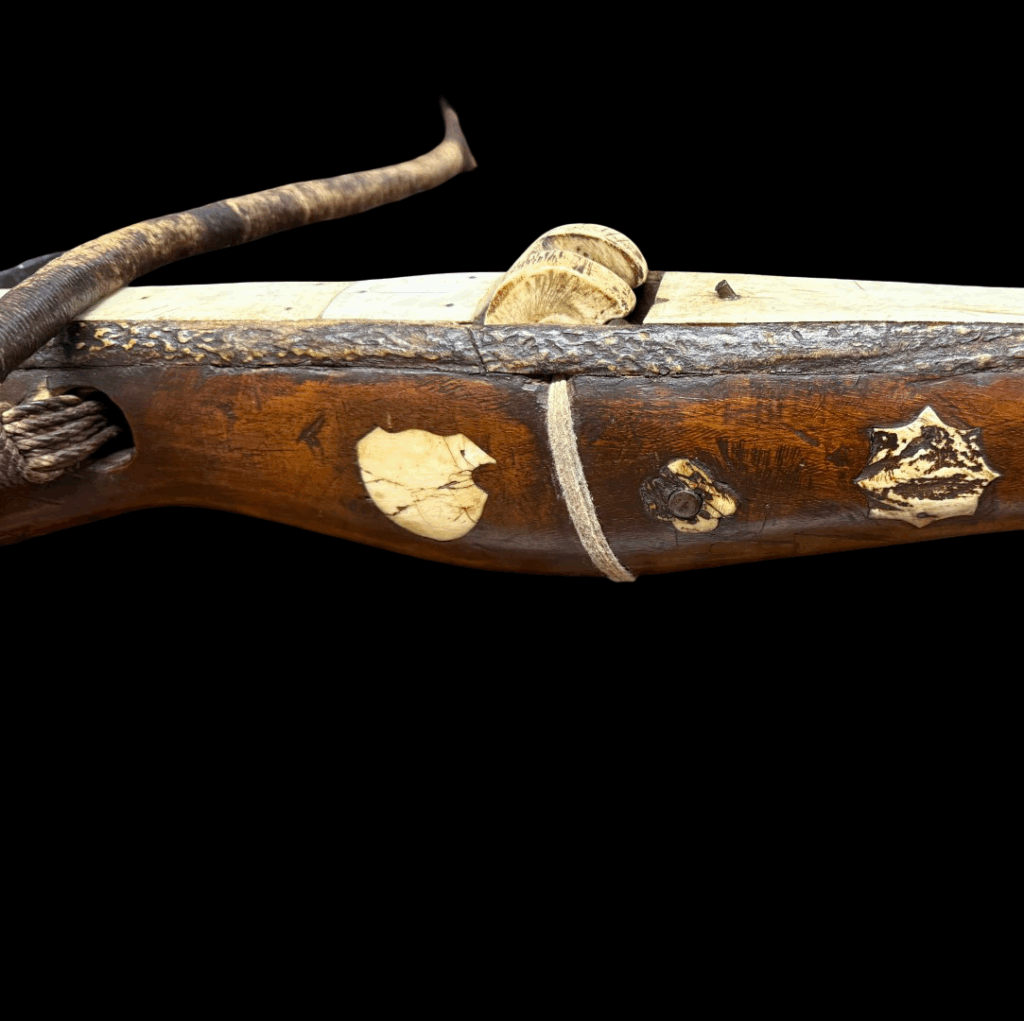
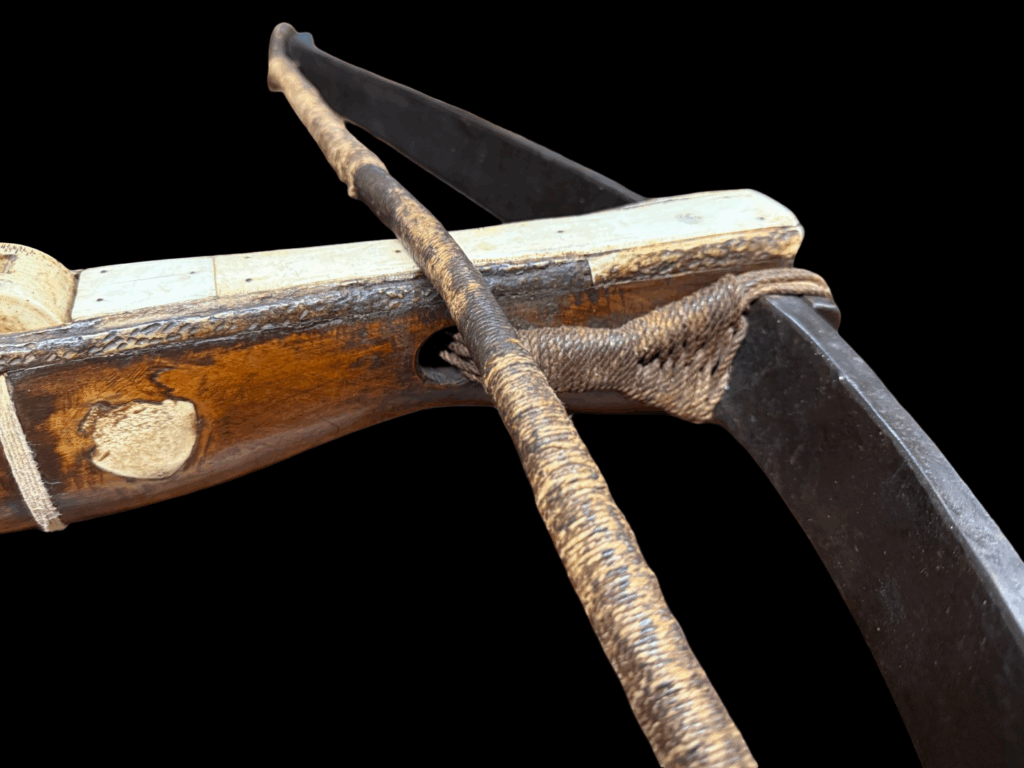
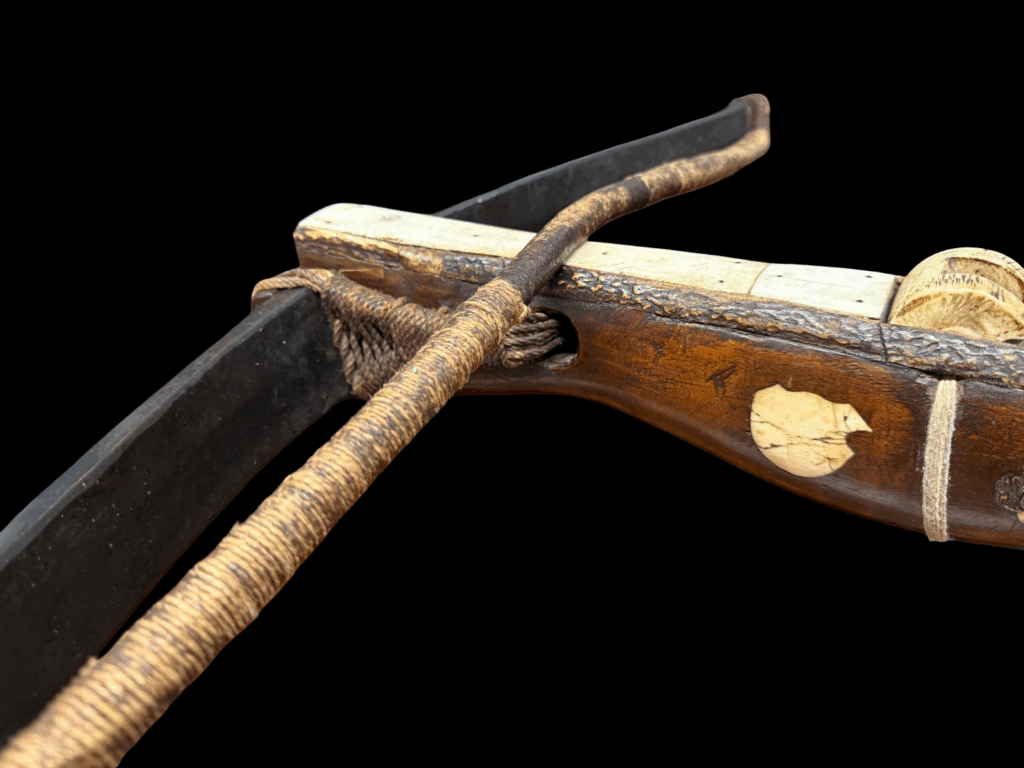
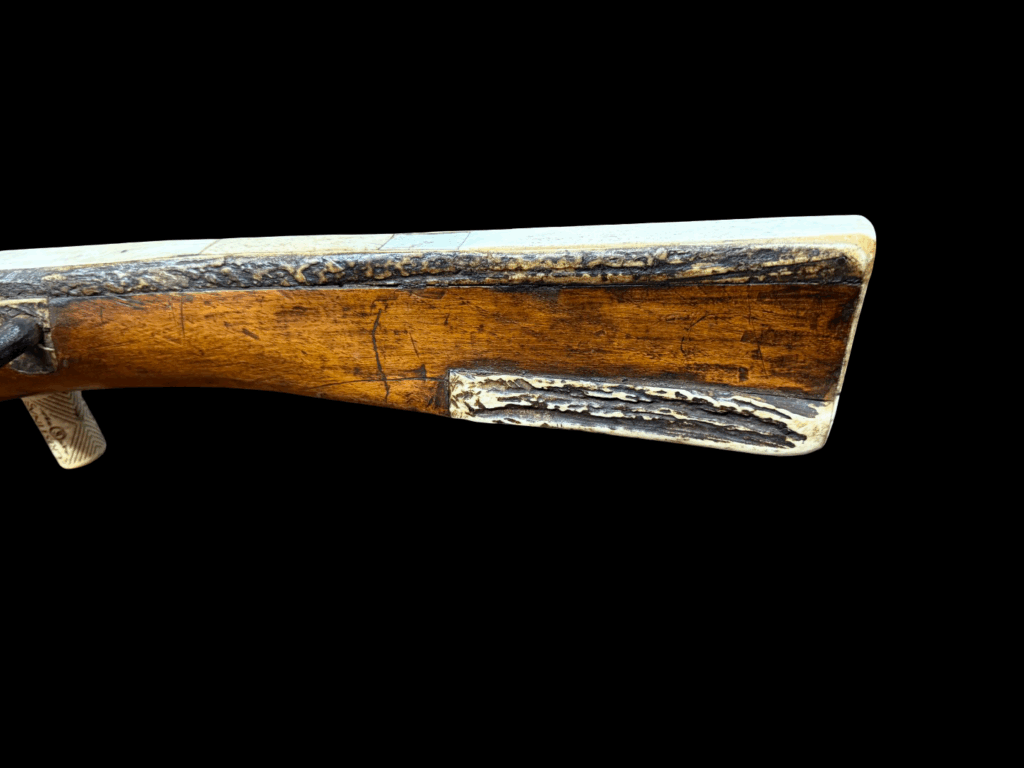
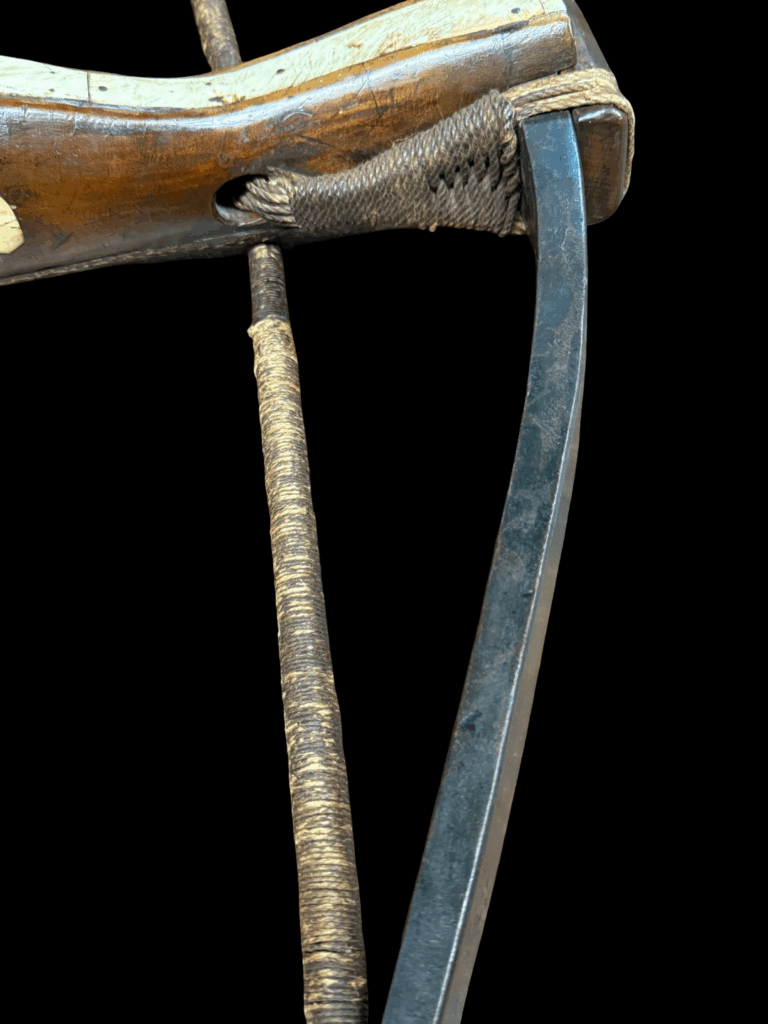
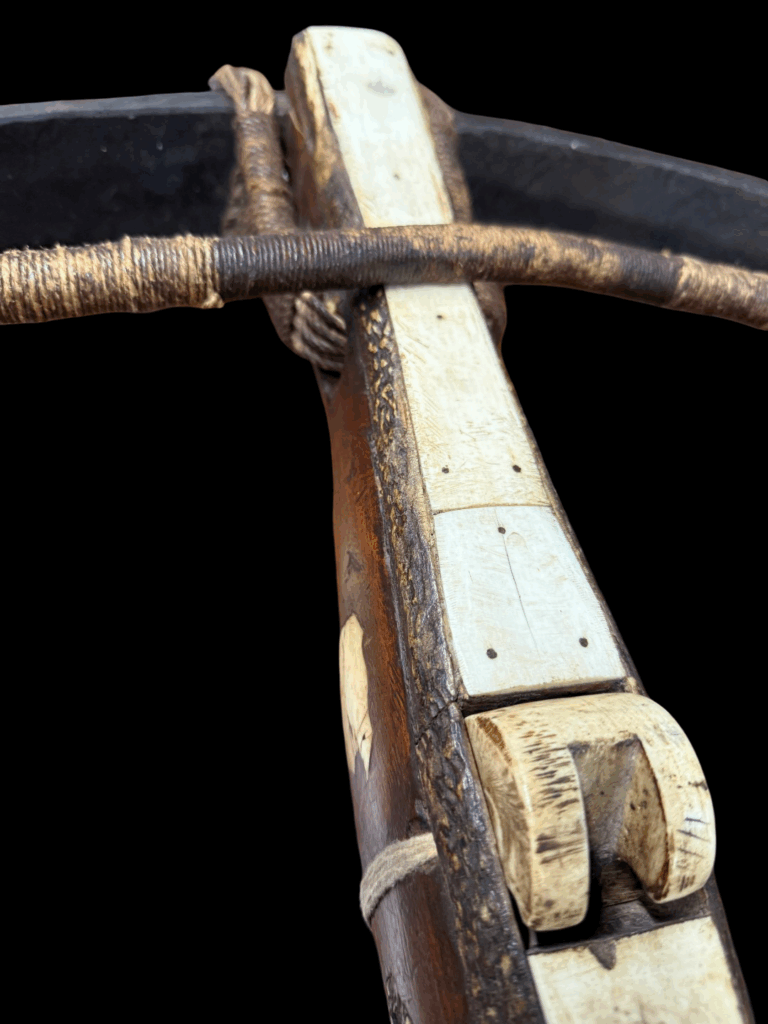
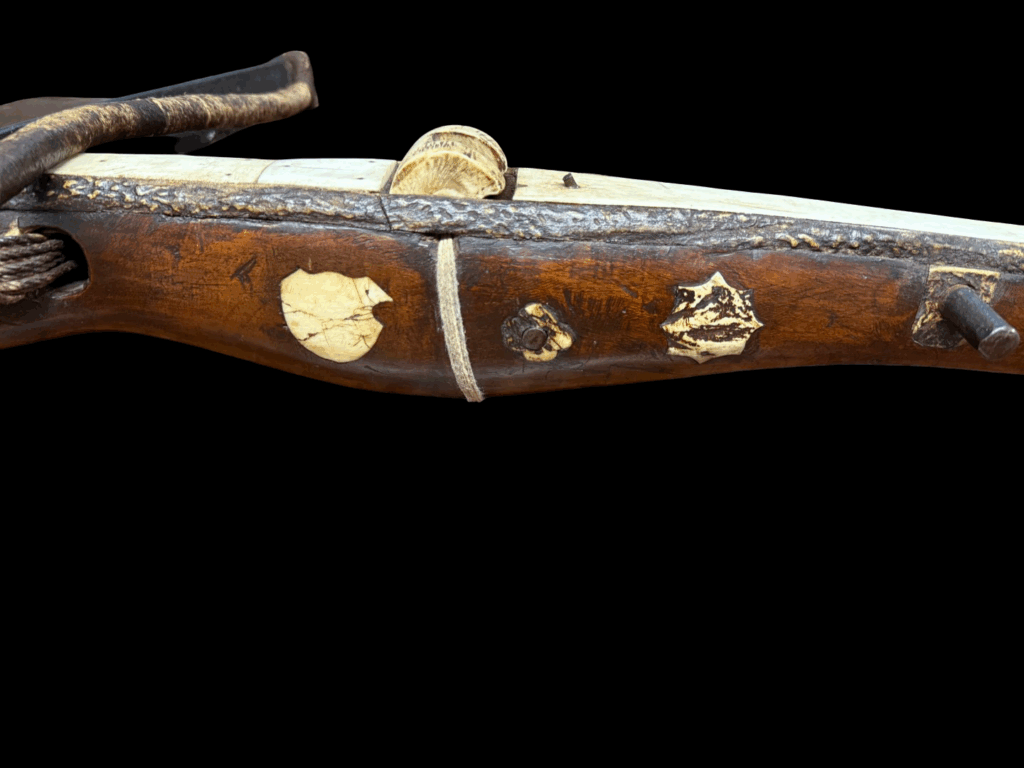
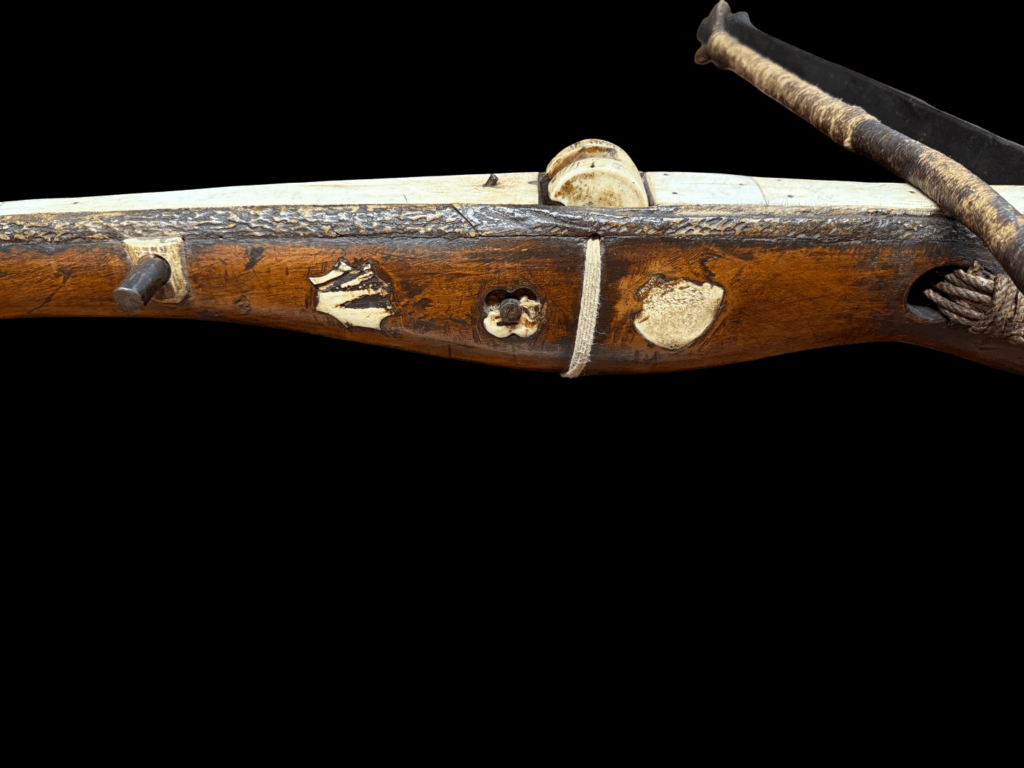
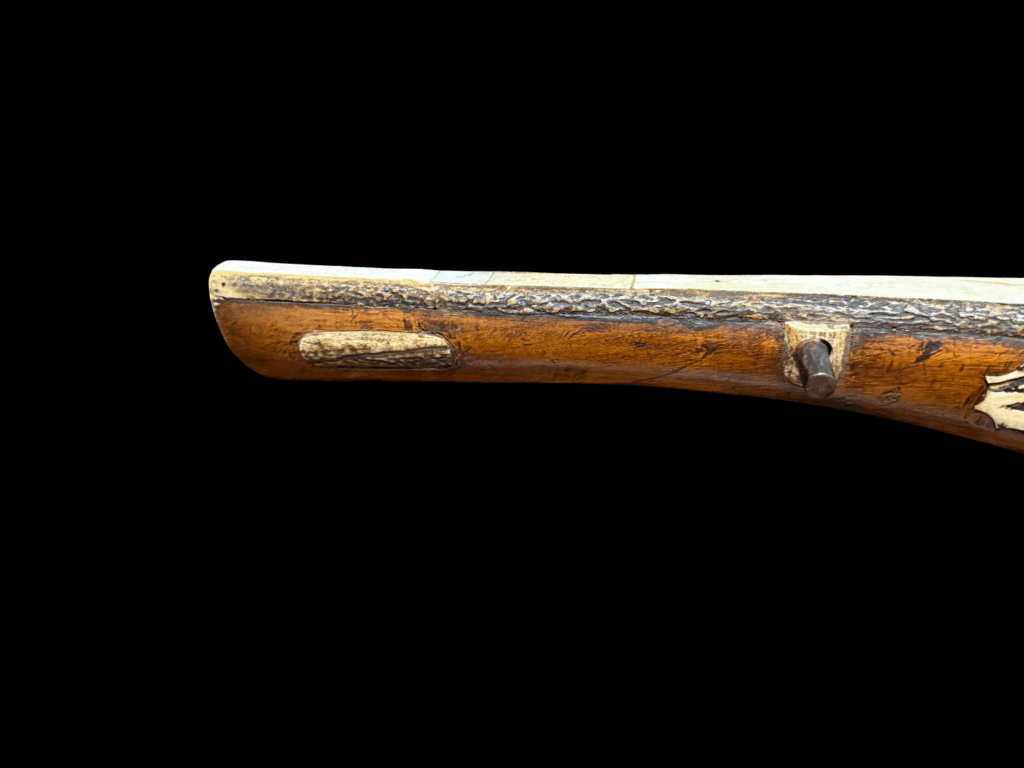
Description: Constructed on a walnut tiller/stock, with four veneered and polished stag horn inlaid on the bottom, top and butt plate, cheek thumb rest slightly worn from use, bordered by natural stag horn strips, the sides decorated with inlaid stag horn in the shapes of a star, coat of arms, and a floral shape. The nut is also of stag horn with replaced retention cord, the bottom cheek is bordered with stag horn, a massive steel bow with bowstring and binding, rectangular binding reinforce associated, a massive cranequin lug on each side to accommodate a monstrously large cranequin that would be necessary to span the massive steel bow. Cord trigger missing, conserved and restored to museum standards.
Dimensions: Length: 32.5 inches. Bow: 34.5 inches.
Condition: Very good.
Conclusion: All collections should have a crossbow. Crossbows played a significant role during the Medieval and Renaissance periods. This one has it all: extra large, in very good condition, priced to sell, and highly desirable. Priced to sell quickly at under $5K for a fast sale. Act now. What are you waiting for? ACT NOW, or you could be very disappointed!!!*
Contact Me To Get The Latest Lowest Price Possible From The Owner*
All my items come with the following:
–Free shipping.
–10-day review period.
–Certificate of Authenticity.
–Autographed copy of my book.
– In the event of an international shipment, we will help assign the lowest correct Customs tariff so you pay the least.