2034 Rapier
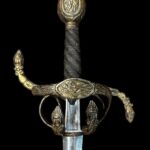
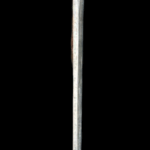
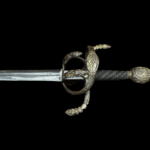
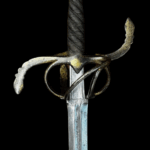
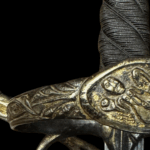
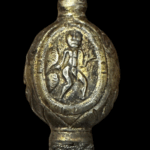
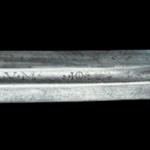
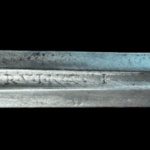
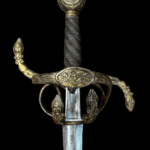
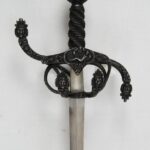
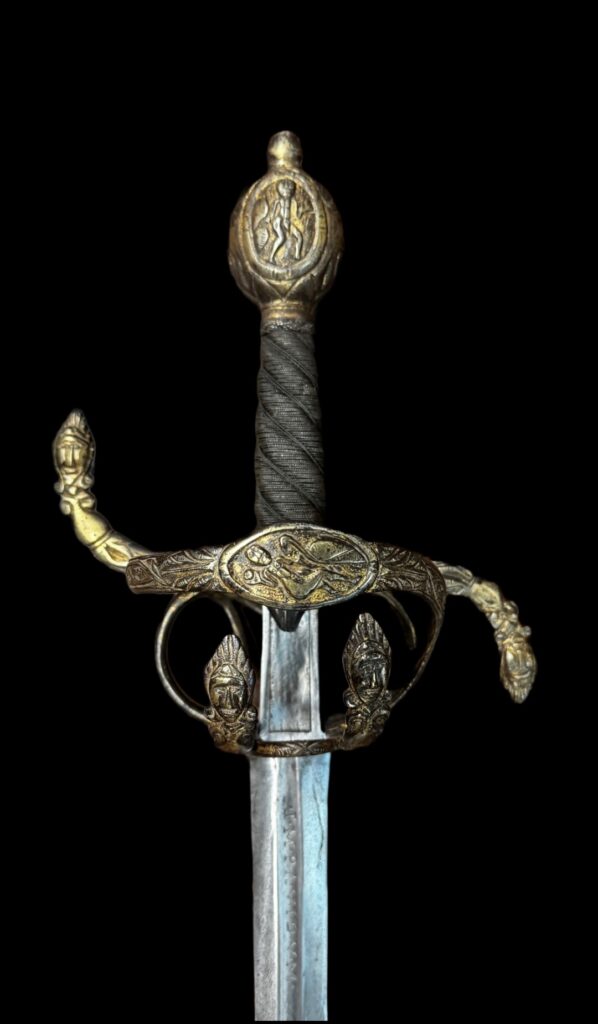
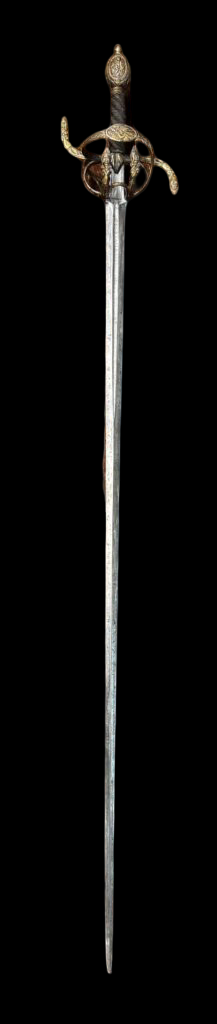
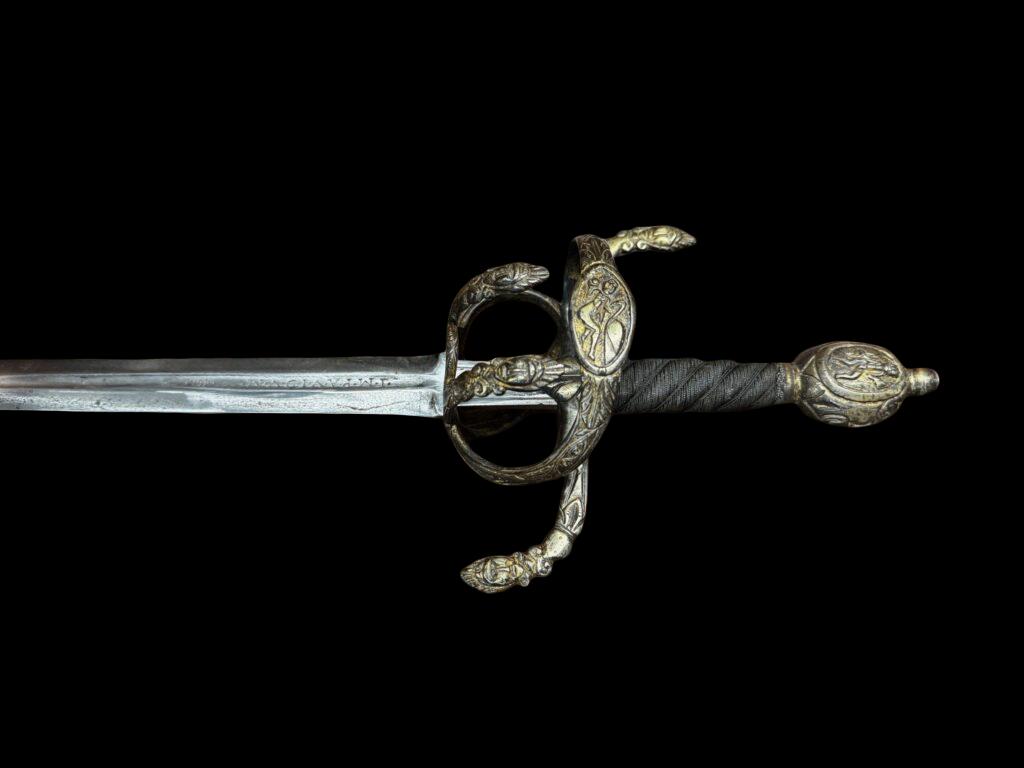
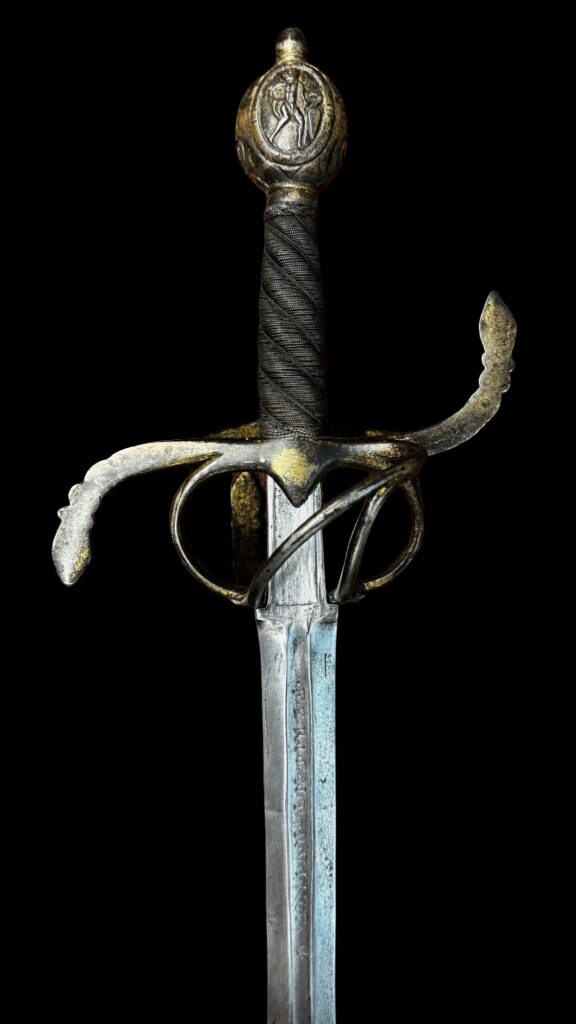
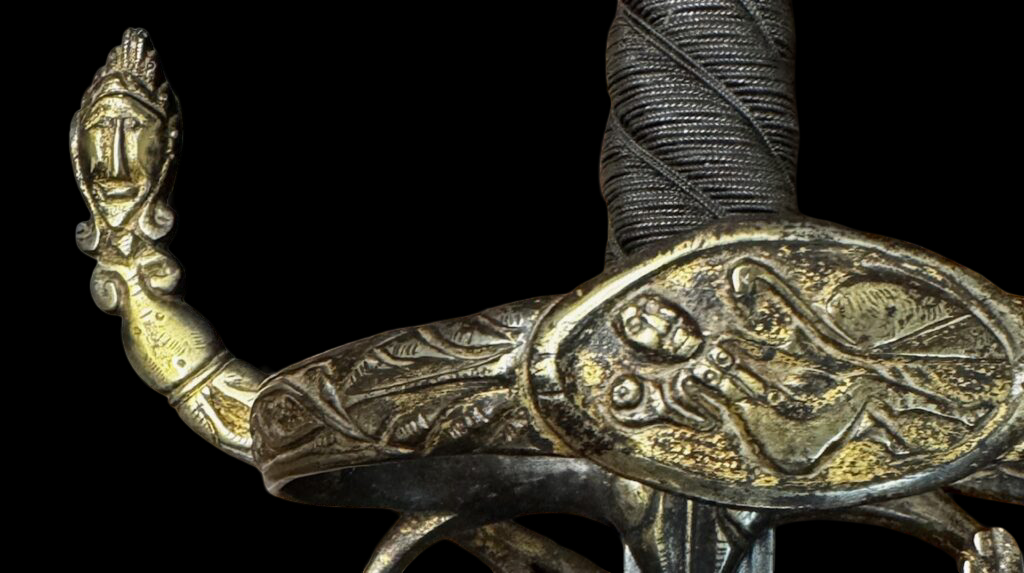
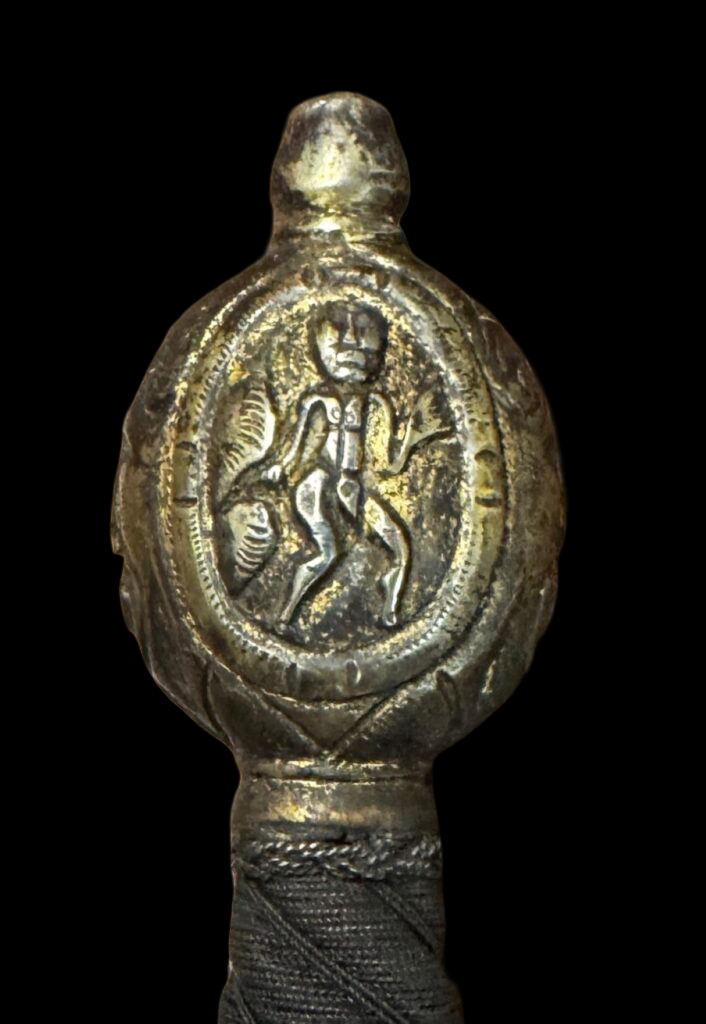
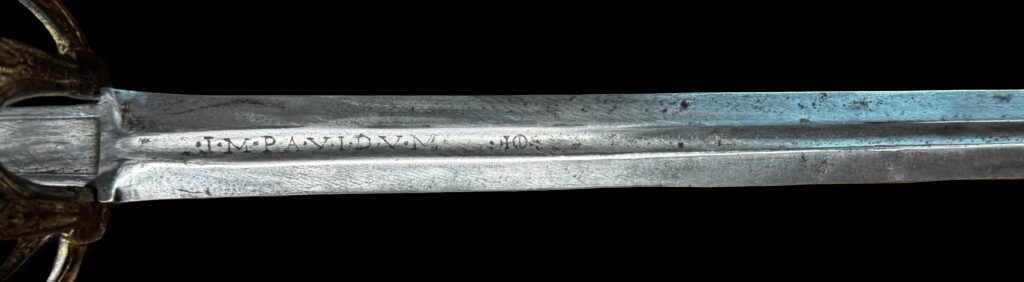
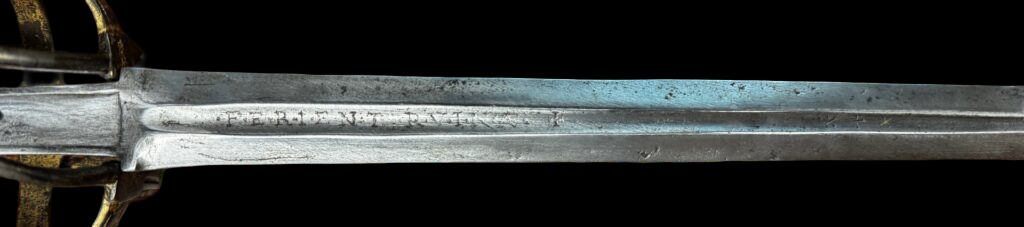
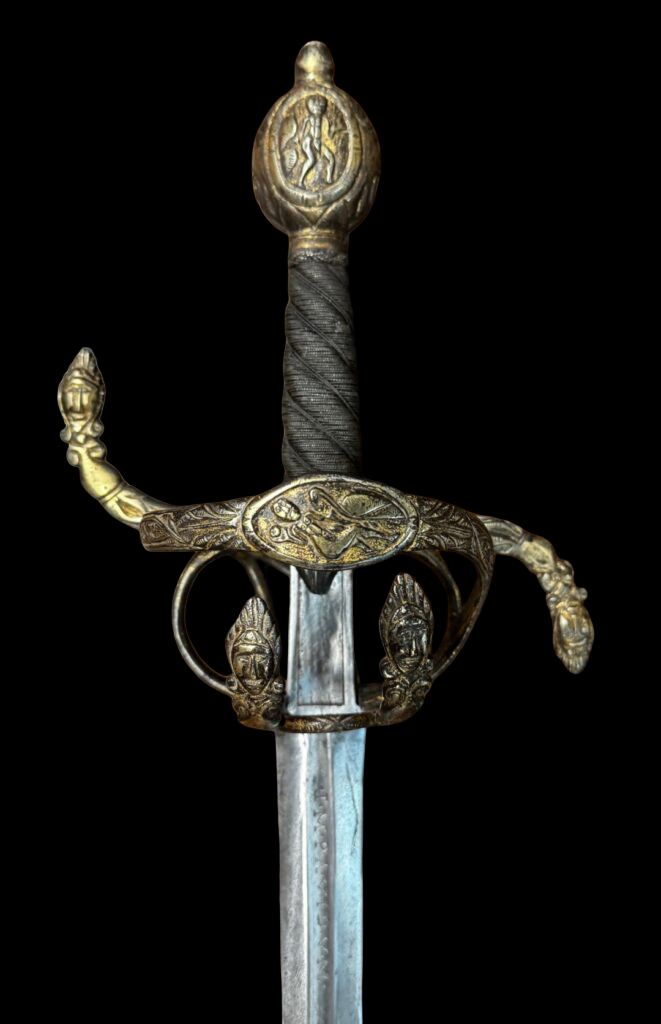
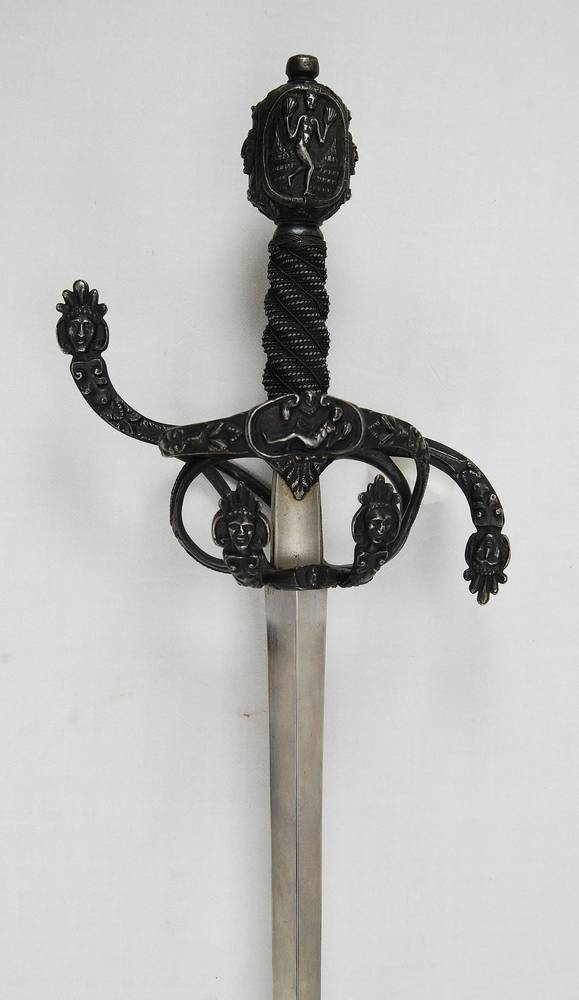
2034) MUSEUM QUALITY GILDED AND CARVED SAXON RAPIER CIRCA 1580: Undoubtedly for a high-ranking officer or a person of high wealth—a near identical example at the world-famous Dresden museum Inventory # VI 0299. Available now for acquisition to the connoisseur collector of impeccable taste
Introduction: The word opulence is defined as great wealth or luxuriousness. For opulence in the late Renaissance, look no further than the Armory of the Electors of Saxony in Dresden, Germany. With great wealth since the 12th century from mining silver, salt, and other metals such as bismuth, cobalt, copper, iron, gold, nickel, tin, and metal workings, they spared no expense in tournaments, social functions, and above all with the elite aristocratic members of the Trabantenleibgarde.
Discussion: The Trabantenleibgarde was a light cavalry that served as the personal guards of the prince electors. They were dressed in black doublets and yellow trunk hose and equipped with the period’s finest opulent arms and armor. An unpublished document dated 1606 and housed at the Staatlichen Kunstsammlungen Dresden indicates the quantities of silver and other precious metals used to construct and decorate arms and armor. The more important or higher ranked the individual, the more precious metal was used. Most of the time, it was silver. A sword decorated in gold, such as the example under discussion, is truly rare.
Prince Elector Augustus (1526-1586) had an inventory taken in 1567 listing over 1,500 weapons. The armory was moved in 1591 into the newly constructed Stable Building, a Renaissance building “Stallgebäude” today‚ Johanneum, where it remained until 1722. The armory acquired royal status when Frederick Augustus I was crowned King of Poland in 1697.
Almost certainly, this rapier may have been introduced to the collectors’ market from museum captivity at the important auction of Dresden Arms and Armor of Rudolph Lepke, Berlin, October 8, 1919.
Provenance:
-Two distinguished old European collections.
-Armory of the Electors of Saxony, Dresden Historical Museum, Dresden Castle, Dresden, Germany.
Conclusion: Anything Dresden is highly sought out by collectors. An etched rapier in mint condition is an extreme rarity and a tremendous addition to any collection or museum. If you look at the above picture, of the one at the Dresden museum, I believe you will agree that the one on offer is better. Aa once in a lifetime rapier at a very reasonable price for such an extreme rarity that displays grandeur and class. ACT-NOW, it will sell and rapiers like this seldom make their way into the collectors market!!!*
Contact Me To Get The Latest Lowest Price Possible From The Owner*